Short Answer
To prevent fence posts from rotting, use pressure-treated or rot-resistant wood, improve drainage around the base, set posts in compacted gravel instead of trapping moisture, seal above-ground portions, and inspect annually for early decay. Most rot begins where soil and moisture stay in constant contact with untreated wood.
Why This Question Matters
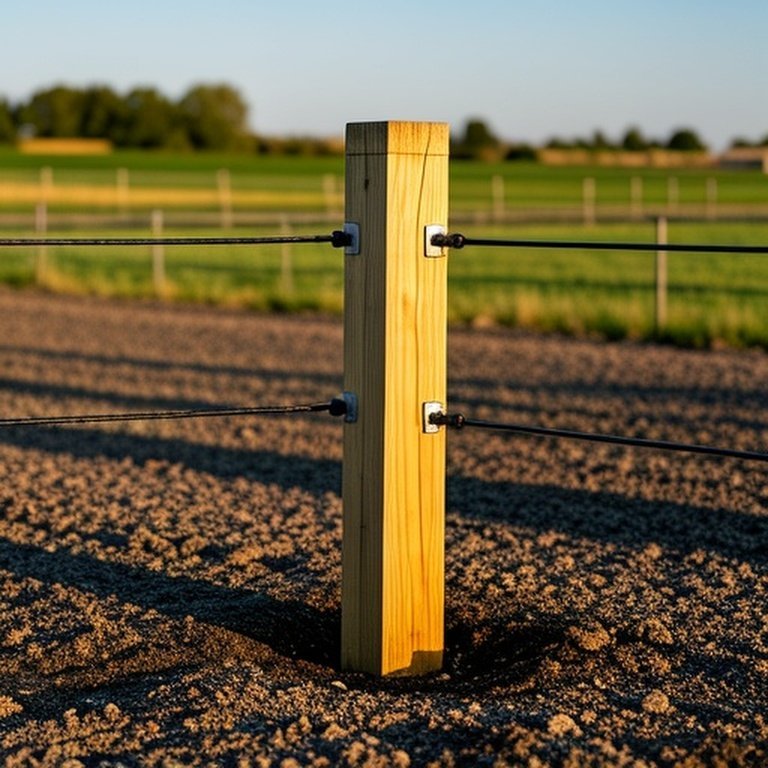
Fence posts are the structural backbone of any farm fence. When posts rot, fences lean, tension fails, and livestock pressure quickly turns a minor issue into a full replacement project. Post rot is also deceptive—it usually begins underground or at the soil line, where moisture and oxygen combine to create ideal decay conditions.
Replacing rotted posts is labor-intensive and costly, especially on long perimeter fences. Preventive measures taken during installation—and maintained over time—can double or even triple the lifespan of wooden posts.
Understanding why posts rot and how to interrupt that process is the key to long-term fence stability.
Key Factors to Consider
- Moisture retention at the soil line accelerates decay
- Poor drainage traps water around buried wood
- Untreated wood rots significantly faster
- Soil type affects long-term moisture exposure
- Sun exposure and airflow impact drying time
Detailed Explanation
Wood rot is caused by fungi that thrive in moist, oxygen-rich environments. The highest-risk area of a fence post is not deep underground—it is the soil line, where moisture fluctuates and oxygen is present. This zone creates ideal conditions for fungal growth and gradual structural breakdown.
Using pressure-treated lumber rated for ground contact is the first and most effective defense. These posts are infused with preservatives that resist fungal decay and insect damage. Naturally rot-resistant species like cedar or black locust also perform well but still benefit from proper drainage.
Drainage is equally critical. Setting posts in compacted gravel instead of concrete allows water to drain away rather than remain trapped. Contrary to common belief, improperly poured concrete can accelerate rot by holding moisture against the wood if the top is not properly sloped.
Above-ground protection matters too. Applying exterior-grade wood sealant to exposed sections helps reduce water absorption from rain and snow. Keeping vegetation trimmed away improves airflow and drying.
Finally, routine inspection prevents small issues from escalating. If early softening or cracking appears near the soil line, reinforcement or partial replacement can be done before full structural failure occurs.
Preventing rot is not a single action—it is a system of material choice, drainage design, and ongoing inspection.
Soil Type and Drainage Impact
Clay soils retain water longer and increase rot risk, especially after heavy rainfall. Sandy soils drain better but may shift, exposing buried sections.
If your property has poor drainage, consider elevating grade slightly around posts or adding crushed stone for improved runoff.
Concrete vs Gravel Debate
Concrete offers stability but can trap moisture if not installed correctly. Gravel allows drainage but requires proper compaction for strength.
For long farm fences, compacted gravel often provides the best balance between drainage and structural support.
Above-Ground Maintenance
Sunlight, rainfall, and livestock rubbing all impact post longevity. Sealing exposed wood every few years significantly slows water absorption.
Keep grass and weeds trimmed around posts to reduce moisture retention.
When This Works Well
- Using pressure-treated, ground-contact rated posts
- Installing in well-drained soil
- Properly compacting gravel base
- Regular annual inspections
- Maintaining vegetation clearance
When This Is Not Recommended
- Untreated pine posts in wet soil
- Concrete poured without proper slope
- Installing posts in chronically flooded areas
- Ignoring early signs of soil-line decay
- Allowing vegetation to trap moisture
Alternatives or Better Options
Steel T-Posts
Steel posts eliminate rot entirely and require minimal maintenance. However, they may not provide the same brace strength for heavy woven wire systems.
Concrete-Sleeved Post Bases
Using post sleeves or plastic barriers around the soil line can reduce direct moisture exposure.
Composite or Recycled Posts
These resist decay but come at a higher initial cost and may require specialized installation methods.
Cost, Safety, and Practical Notes
Pressure-treated posts cost more upfront but reduce long-term replacement labor. Replacing even 10% of posts on a long perimeter fence often exceeds the initial upgrade cost of treated lumber.
Safety matters during inspection. Rotted posts can snap unexpectedly under livestock pressure. Test stability before leaning or applying force.
From a practical standpoint, prevention during installation is far easier than post-replacement years later. The most cost-effective strategy is choosing proper materials, ensuring drainage, and performing simple yearly inspections.
Quick Takeaway
Fence post rot starts at the soil line where moisture and oxygen combine. Use ground-contact treated wood, improve drainage with compacted gravel, seal exposed surfaces, and inspect annually. Preventive installation decisions dramatically extend fence life and reduce future labor.