Short Answer
To properly ground an electric fence, install multiple galvanized ground rods driven deep into moist soil and connect them directly to the charger’s ground terminal using a continuous ground wire. The rods should be spaced apart and placed where soil stays damp, ensuring the electrical circuit can complete efficiently for a strong, reliable shock.
Why This Question Matters
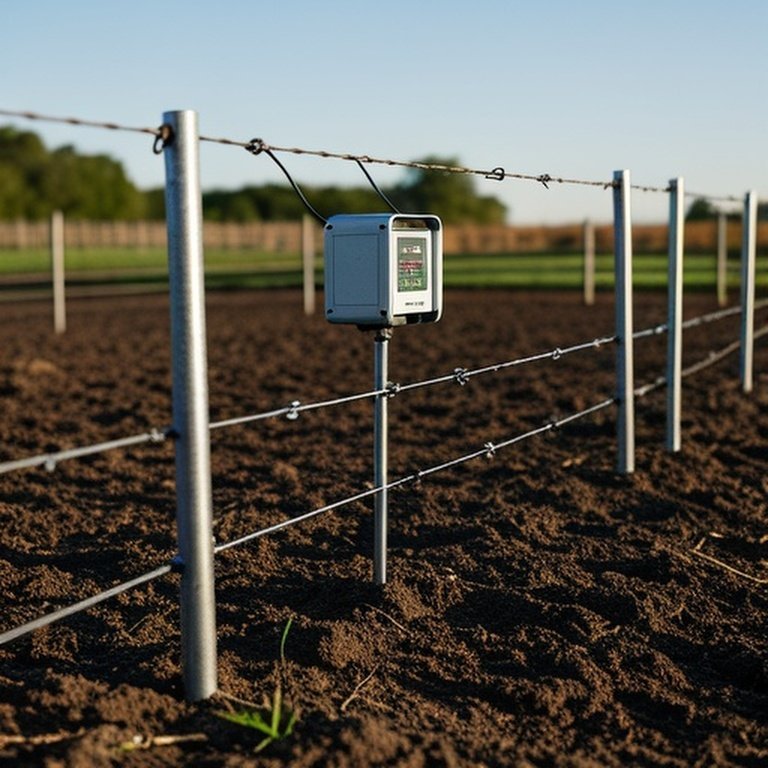
Poor grounding is the number one reason electric fences fail—even when the charger is powerful and the fence looks correctly built. Many fence problems blamed on weak energizers or faulty wires are actually caused by inadequate grounding. When grounding is insufficient, animals feel little or no shock, predators push through fences, and users waste time troubleshooting the wrong components. Since grounding determines whether electricity returns to the charger, it directly controls fence performance, animal respect, and long-term system reliability.
Key Factors to Consider
- Number and length of ground rods installed
- Soil moisture and soil type around grounding area
- Distance between charger and grounding system
- Quality and continuity of ground wire connections
- Seasonal changes affecting soil conductivity
Detailed Explanation
An electric fence works as a complete circuit, not a one-way shock. When an animal touches the hot wire, electricity must travel through the animal, into the soil, and back to the charger through the grounding system. If the grounding system is weak, the circuit cannot complete, and the shock is greatly reduced or disappears entirely.
Proper grounding starts with ground rods. Most fence systems require more than one rod because soil resistance limits how much electricity can return through a single point. Ground rods should be driven deep enough to reach consistently moist soil, which conducts electricity far better than dry or sandy layers. Shallow rods or rods placed in dry areas severely reduce grounding effectiveness.
Spacing also matters. Ground rods should not be clustered tightly together. Spacing them several feet apart allows each rod to interact with a larger volume of soil, lowering overall resistance. All rods must be connected with a single continuous ground wire, securely clamped, and tied directly to the charger’s ground terminal—never to utility grounding systems.
Location plays a major role. Grounding systems perform best in areas that remain damp year-round, such as shaded ground, low spots, or near downspouts. In dry climates or rocky soil, additional rods or alternative grounding methods may be required.
When grounding is done correctly, fence voltage becomes more stable, animals respect the fence quickly, and troubleshooting becomes far easier.
Soil Type and Moisture Conditions
Dry, sandy, or rocky soils have high resistance and often require extra ground rods. Clay and loam soils ground more efficiently, especially when moisture is present. Seasonal dryness can dramatically reduce grounding performance.
Grounding Distance from Fence Lines
Ground rods should be installed away from utility grounds, buildings, and water systems. Keeping distance prevents interference and ensures fence electricity returns only through the intended circuit.
Signs of Poor Grounding
Weak shocks, inconsistent voltage readings, animals pushing through fences, and large voltage drops during dry weather often point to grounding problems rather than charger failure.
When This Works Well
- Multiple ground rods driven into consistently moist soil
- Solid, corrosion-free connections between rods and charger
- Grounding system located close to the charger
- Fence voltage remains stable across seasons
When This Is Not Recommended
- Using a single short ground rod
- Installing rods in dry, sandy, or compacted soil only
- Sharing grounding with electrical or plumbing systems
- Loose, rusted, or broken ground wire connections
Alternatives or Better Options
Extended Ground Systems
In dry climates, adding more ground rods over a longer distance improves conductivity and reliability.
Ground-Return Fence Systems
For extremely dry conditions, alternating hot and ground wires on the fence allows animals to complete the circuit without relying solely on soil moisture.
Moisture-Enhanced Grounding Areas
Placing rods where irrigation or runoff keeps soil damp improves grounding without increasing hardware.
Cost / Safety / Practical Notes
Ground rods and clamps are inexpensive compared to replacing chargers or rebuilding fences. Investing in proper grounding reduces long-term maintenance costs and prevents fence failures during critical periods. For safety, never connect fence grounding to household electrical grounds or water pipes. Always use dedicated grounding components designed specifically for electric fencing systems.
📍 Video Demonstration
Quick Takeaway
A strong electric fence depends on proper grounding, not just charger size—use multiple deep ground rods in moist soil and connect them correctly for consistent, reliable fence performance.