Short Answer
To protect fences from storm and lightning damage, use wind-permeable designs, reinforce corner braces, install posts below frost depth, improve drainage, and add lightning diverters with proper grounding for electric systems. Structural strength and surge protection are the two core defenses against storm-related fence failure.
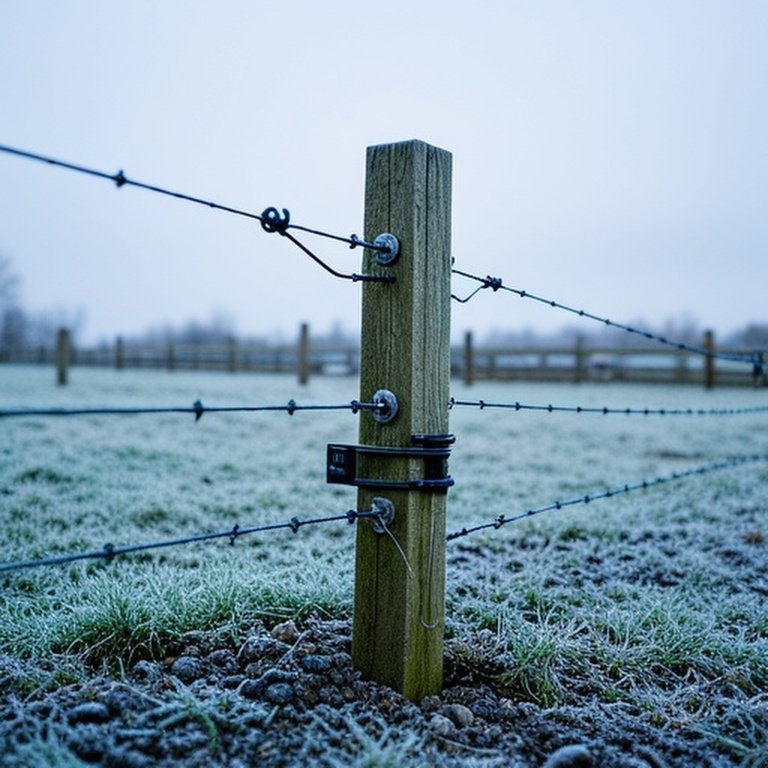
Why This Question Matters
Storm damage rarely happens in isolation. High winds, heavy rain, debris impact, and lightning often occur together. Wind applies sustained lateral pressure, rain weakens soil stability, and lightning can destroy electric energizers instantly. Without reinforcement and grounding protection, a single severe storm can damage large sections of fencing. For livestock operations, this means escape risk, predator exposure, and costly emergency repairs. Many storm failures are preventable with correct installation techniques and protective components. Understanding how storms stress fencing systems allows property owners to design for resilience instead of reacting after structural collapse.
Key Factors to Consider
- Wind-permeable fencing reduces lateral pressure load
- Reinforced brace assemblies prevent tension collapse
- Deep-set posts resist rotational wind force
- Lightning diverters protect electric energizers
- Proper grounding stabilizes voltage during storms
Detailed Explanation
Storm protection begins with structural design. Wind is one of the most destructive storm forces acting on fencing. Solid panel or board fences create high surface resistance, amplifying lateral pressure. Wind-permeable fencing, such as woven or high-tensile wire, allows airflow to pass through, reducing stress on posts and braces. Reinforced corner assemblies — especially H-brace systems — prevent tension loss when wind load increases along long fence runs.
Soil stability also plays a critical role. Heavy rain saturates soil, weakening its grip on posts. Deep-set posts installed below frost depth provide stronger anchoring against rotational force caused by gusts. Gravel backfill improves drainage and reduces erosion around post bases, minimizing lean after storms.
Lightning presents a different type of threat. Electric fencing systems are particularly vulnerable to surge damage. A nearby strike can send voltage spikes through fence lines, damaging energizers and wiring. Installing lightning diverters and surge protectors redirects excess energy safely into the ground. A properly installed grounding system — typically multiple ground rods spaced adequately apart — stabilizes electrical flow during moisture-heavy conditions.
Debris impact is another factor. Flying branches or wind-driven objects can strike fencing with sudden force. Flexible wire systems absorb impact better than rigid panels. Designing with controlled flexibility prevents catastrophic breakage during storm events.
Storm protection is not about making fences immovable — it is about allowing controlled movement while preventing structural failure.
How Cattle Behavior Affects This Choice
Storms influence livestock movement. Cattle often seek shelter along fence lines, especially near windbreaks. This concentrated pressure adds force to sections already under wind stress. Reinforced brace systems and properly tensioned wire prevent sagging during these periods.
Loud thunder and sudden gusts may startle animals, increasing collision risk. Flexible fencing materials reduce breakage when livestock contact occurs during storm conditions.
Calves vs Mature Cattle Considerations
Calves are more vulnerable to escape if storm damage reduces fence height or creates gaps. Even minor leaning can produce openings near ground level.
Mature cattle exert stronger force if pushing against fencing for shelter. Strong corner bracing and stable anchoring are essential to withstand combined livestock and wind pressure during severe weather.
Terrain, Visibility, and Pressure Zones
Open ridgelines and plains experience higher wind exposure than sheltered valleys. Fences crossing drainage channels face additional flood pressure during storms.
Lightning risk also varies by terrain. Elevated or isolated fence lines may attract strikes. Installing lightning protection in high-risk zones reduces equipment damage. Identifying pressure zones ensures reinforcement is applied where storms hit hardest.
When This Works Well
- High-tensile or woven wire wind-permeable systems
- Reinforced H-brace corner assemblies
- Posts installed below frost depth
- Properly spaced grounding rods for electric systems
- Routine inspection after severe weather events
When It Is Not Recommended
- Solid panel fencing in exposed storm corridors
- Shallow post installations in saturated soil
- Electric systems without surge protection
- Weak or undersized brace assemblies
- Ignoring minor post lean after storms
Alternatives or Better Options
Hybrid Fence with Electric Offset
Combining physical fencing with electric deterrence reduces livestock pressure during storms and adds redundancy if structural damage occurs.
Heavy-Duty Steel Posts in Wind Corridors
Steel posts driven deeply into stable soil improve resistance against rotational force in high-wind regions.
Dedicated Lightning Protection Kits
Professional-grade lightning diverter systems offer enhanced protection for high-value energizers and long fence runs.
Cost, Safety, and Practical Notes
Storm protection measures increase upfront installation cost but significantly reduce long-term repair expenses. Reinforced bracing and deeper posts require additional labor, yet prevent widespread collapse after a single storm.
Lightning protection components are relatively inexpensive compared to replacing damaged energizers. Proper grounding installation adds modest material cost but improves both safety and performance.
From a safety perspective, storm-damaged fencing creates sharp edges, loose wires, and unstable posts. Immediate inspection after major weather events is critical. Designing for resilience reduces risk to livestock and handlers while ensuring containment remains reliable.
Quick Takeaway
Protecting fences from storm and lightning damage requires two priorities: structural reinforcement and electrical surge protection. Wind-permeable designs, deep-set posts, strong bracing, and proper lightning grounding systems prevent most severe storm failures. Build for controlled flexibility, not rigid resistance.