Short Answer
To reinforce a fence before storm season, inspect and strengthen corner and end posts, tighten loose wire, improve soil compaction around posts, add braces where needed, and clear debris or vegetation that increases wind load. Preventive reinforcement focuses on stabilizing anchor points and reducing lateral stress before high winds or heavy rain arrive.
Why This Question Matters
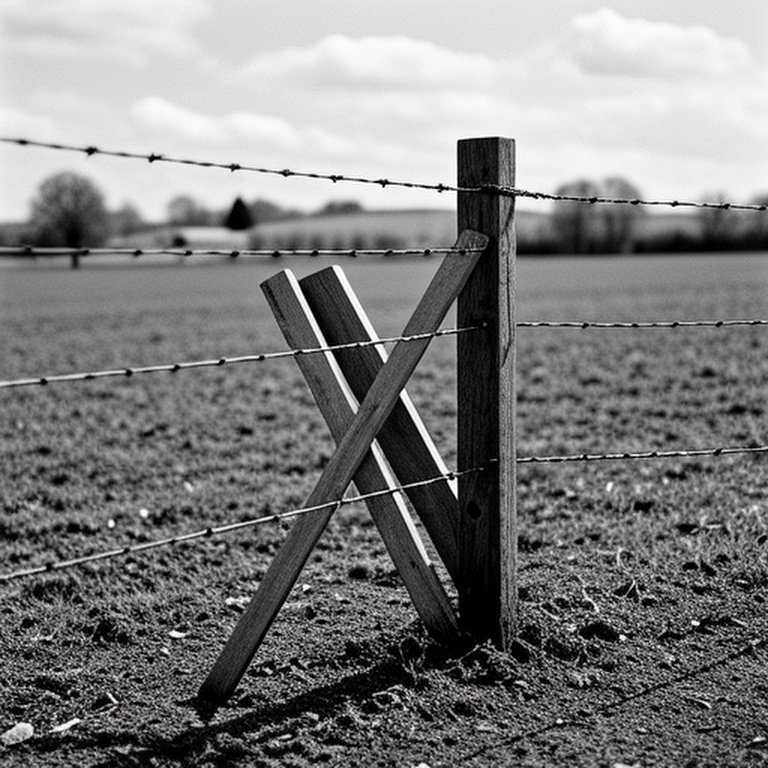
Storm damage rarely starts with the fence wire itself. It usually begins at weak structural points: shallow posts, loose soil, under-braced corners, or sagging tension lines. High winds, saturated soil, and flying debris expose small weaknesses that go unnoticed during calm seasons.
By reinforcing your fence before storm season, you shift from reactive repair to preventive protection. Strengthening posts and bracing systems reduces the risk of collapse, livestock escape, and expensive full-line replacement. Storm preparation also allows you to fix minor issues safely and gradually, instead of working under emergency conditions after severe weather hits.
Preventive reinforcement is especially important in open pastures, elevated terrain, and regions with seasonal storms, hurricanes, or freeze-thaw cycles. A few targeted upgrades can significantly increase fence resilience and lifespan.
Key Factors to Consider
- Stability of corner and end posts
- Depth and soil condition around line posts
- Wire tension and brace alignment
- Wind exposure and open-field positioning
- Drainage patterns along fence lines
Detailed Explanation
Storm forces act horizontally and vertically. Wind creates lateral pressure against fence surfaces, while heavy rain weakens soil stability. Together, they stress posts at their base and increase rotational movement. Reinforcement begins by focusing on structural anchor points.
Corner and end posts carry the greatest load. These posts resist both fence tension and wind force. If bracing systems are loose or improperly installed, high winds can cause posts to lean or twist. Installing or tightening H-braces or diagonal braces significantly increases resistance.
Next, check soil compaction. Over time, natural settling creates gaps around posts. Before storm season, tamp soil firmly around each post or add compacted gravel to improve drainage and holding strength. Proper compaction reduces movement during saturated conditions.
Wire tension should also be evaluated. Loose wire amplifies movement during wind events. Tightening wire evenly across spans stabilizes the fence and reduces shock loading at connection points. However, avoid over-tightening, which can increase strain on weakened posts.
Vegetation management is another overlooked step. Tall grass and brush increase wind drag along the fence line. Clearing vegetation reduces overall pressure and allows airflow through the fence.
Preventive reinforcement is not about rebuilding. It is about eliminating weak points so the fence distributes storm stress evenly rather than failing at its most vulnerable locations.
How Wind Exposure Affects Reinforcement Strategy
Open pastures and elevated ridges experience stronger sustained wind loads. In these areas, reinforcement should prioritize deeper posts and stronger corner assemblies.
Sheltered areas with tree cover may require less structural upgrading but still benefit from soil compaction and tension checks.
Why Corner Braces Matter Most
Corner assemblies function as anchors for the entire fence run. If they shift, tension is lost across multiple spans. Reinforcing corners before storm season provides the highest return on effort.
Upgrading braces often prevents cascading failure along long fence lines.
The Role of Drainage Before Heavy Rain
Saturated soil weakens lateral resistance. Improving drainage around posts by adding gravel or shaping soil away from post bases reduces storm-season instability.
Preventive drainage work is far easier before the ground becomes waterlogged.
When This Works Well
- Fence is structurally sound but aging
- Posts remain mostly upright
- Minor soil gaps are present
- Wire tension is uneven but intact
- Storm season is predictable and seasonal
When This Is Not Recommended
- Multiple posts are severely rotted
- Corner assemblies are structurally failing
- Large sections already leaning significantly
- Soil erosion has exposed post bases
- Fence is near end of service life
Alternatives or Better Options
Upgrade to Deeper Posts in High-Risk Zones
If your area experiences hurricanes or severe windstorms, replacing shallow posts with deeper-set anchors may provide better long-term stability.
Install Wind-Relief Gaps or Semi-Permeable Materials
In solid panel fencing, modifying sections to allow airflow can reduce wind load pressure.
Convert to High-Tensile Systems
High-tensile wire distributes stress more efficiently but requires strong anchor systems.
Cost, Safety, and Practical Notes
Preventive reinforcement is significantly cheaper than post-storm reconstruction. Adding braces, tightening wire, and compacting soil are labor-intensive but low-cost compared to replacing entire sections.
From a safety perspective, always release wire tension gradually before adjusting braces or posts. Sudden tension release can cause injury. Wear gloves and eye protection when working with high-tension systems.
Schedule reinforcement during dry conditions whenever possible. Working in saturated soil reduces compaction effectiveness and increases instability risk during adjustments.
Quick Takeaway
Reinforcing a fence before storm season means strengthening anchor posts, tightening wire, improving soil compaction, and enhancing drainage. Focus first on corners and end assemblies, where failure usually begins. Preventive action reduces storm damage risk and extends fence lifespan at a fraction of full replacement cost.