Short Answer
To set fence posts in rocky soil, use a combination of digging bars, smaller pilot holes, and compacted gravel backfill instead of relying solely on standard post-hole digging. In extremely rocky ground, you may need to drill through rock, shift the post location slightly, or anchor posts using crushed stone and tight compaction rather than concrete.
Why This Question Matters
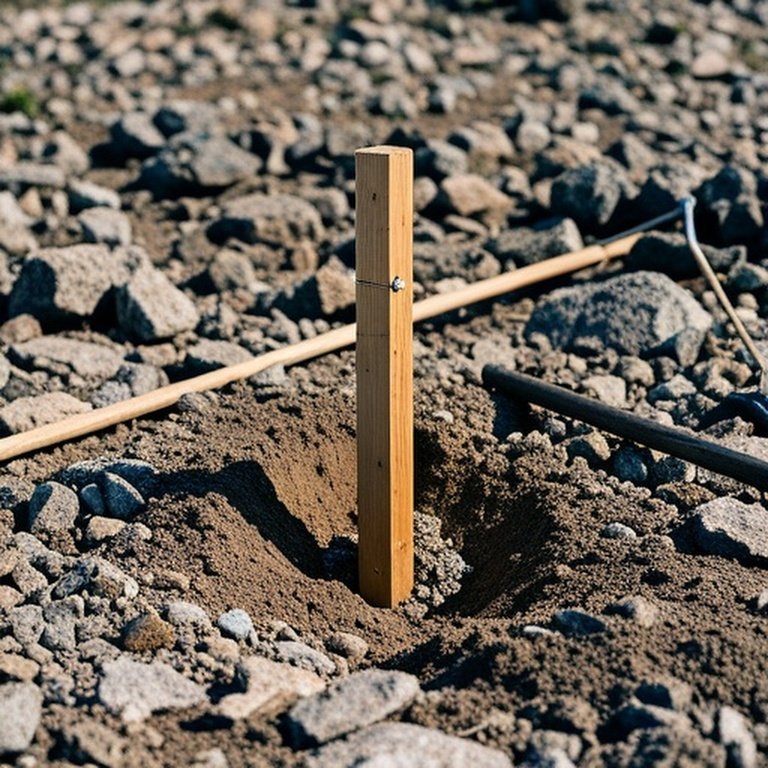
Rocky soil is one of the most challenging conditions for fence installation. Standard digging methods often fail when large stones block post depth, and forcing posts into shallow holes leads to instability, leaning, or premature failure.
Improper installation in rocky terrain can result in weak fence lines that shift under livestock pressure, frost movement, or wind loads. Because rocky soil drains differently and resists compaction differently than loam or clay, post-setting methods must be adjusted. Using the wrong approach can waste labor and damage equipment.
Understanding how to properly adapt installation methods in rocky conditions ensures structural stability, reduces long-term maintenance, and prevents posts from loosening over time.
Key Factors to Consider
- Size and density of rocks in the soil profile
- Required post depth for fence type and livestock
- Drainage and frost conditions in your region
- Post material (wood vs steel)
- Availability of mechanical tools or drilling equipment
Detailed Explanation
Setting fence posts in rocky soil requires flexibility. If rocks are small to medium in size, a digging bar and clamshell post-hole digger can often remove them gradually. Breaking apart compacted layers and clearing a narrower pilot hole first allows you to maintain correct depth without widening the hole excessively.
When encountering larger rocks that block full depth, avoid setting the post shallow. Instead, either remove the obstruction using a digging bar or slightly shift the hole location by a few inches while maintaining fence alignment. Proper depth is essential—generally one-third of the post length should be below ground for stability.
In rocky soil, gravel backfill often performs better than concrete. Crushed stone compacts tightly around the post and promotes drainage, reducing frost heave. Layering gravel in 4–6 inch increments and tamping firmly between layers creates strong lateral support without trapping moisture against wooden posts.
In extremely rocky or bedrock conditions, drilling into rock and setting posts with anchored rods or using shorter steel T-posts may be necessary. Mechanical augers with rock bits or rotary hammer drills can speed installation when manual digging is impractical.
The goal is not just depth, but tight compaction and drainage. A properly compacted gravel base can outperform poorly poured concrete in rocky environments.
How Cattle Behavior Affects This Choice
Cattle apply lateral pressure when leaning or rubbing. In rocky soil, improperly compacted posts loosen more quickly under repeated force. Strong compaction and proper depth are especially important in livestock-heavy areas.
If cattle pressure is high, prioritize deeper installation and tighter backfill compaction.
Calves vs Mature Cattle Considerations
Calves create minimal lateral load, but mature cattle can gradually shift posts set in poorly compacted rocky soil. For heavy livestock, consider using larger diameter wood posts or reinforced corner bracing to prevent movement.
Design for mature livestock even if current herd size is small.
Terrain, Visibility, and Pressure Zones
Rocky soil is common on slopes and ridges where erosion occurs. Sloped terrain increases lateral stress on posts. In these areas, deeper setting and tighter spacing improve long-term stability.
High-traffic areas like gates and corners require reinforced brace assemblies regardless of soil type.
When This Works Well
- Moderately rocky soil with removable stones
- Areas with good natural drainage
- Installations using gravel backfill and tight compaction
- Steel T-post systems in lighter fencing applications
- Regions with minimal frost movement
When This Is Not Recommended
- Extremely shallow soil over solid bedrock
- High frost-heave regions without proper drainage
- Heavy livestock zones without reinforced bracing
- Situations where posts are set too shallow due to rock obstruction
- Loose gravel backfill without proper tamping
Alternatives or Better Options
Steel T-Posts with Rock Spike Drivers
In heavily rocky ground, steel posts driven with a post driver often install faster and resist shifting better than wood posts requiring large holes.
Drilled Anchor System
For bedrock conditions, drilling into rock and setting anchor rods with epoxy or mechanical anchors provides maximum stability.
Hybrid Method (Wood Corners, Steel Line Posts)
Use drilled or reinforced wooden corner posts and steel line posts to reduce labor while maintaining strength.
Cost, Safety, and Practical Notes
Rocky soil increases labor time and tool wear. Manual digging takes longer, and mechanical augers may require specialized rock bits. While gravel backfill is typically less expensive than concrete, additional labor for compaction should be considered.
Safety is critical. Flying rock fragments can cause injury when using digging bars or power tools. Always wear gloves, eye protection, and sturdy boots. Avoid overexertion when prying large rocks manually.
Concrete is not always superior in rocky soil. Poorly poured concrete in irregular holes can create voids and trap water, increasing frost damage risk. Properly compacted crushed stone often performs better in well-draining rocky environments.
The most stable installation method prioritizes full depth, tight compaction, and strong corner bracing.
Quick Takeaway
Setting fence posts in rocky soil requires proper depth, flexible positioning, and tightly compacted gravel backfill. Avoid shallow installations, prioritize drainage, and reinforce high-pressure areas. In extreme rock conditions, consider steel posts or drilled anchors for maximum stability.