Short Answer
The ideal distance between water sources and fences depends on livestock type and management goals, but water troughs are typically placed 10–50 feet away from permanent fence lines to reduce crowd pressure and mud damage. In rotational systems, centralized or shared water access that minimizes travel distance—without placing troughs directly against fences—is most effective.
Why This Question Matters
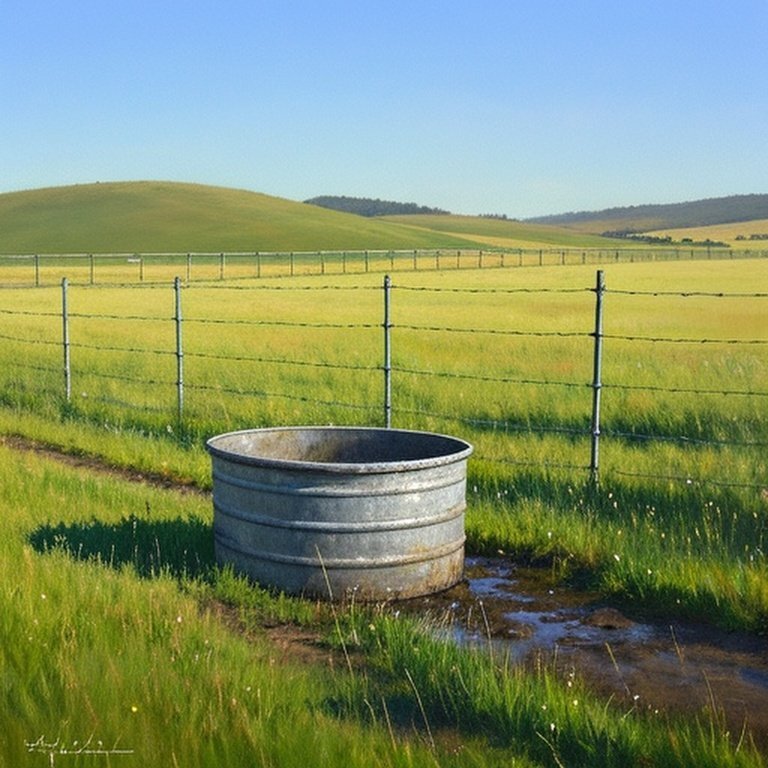
Water placement directly affects pasture health, fence durability, soil stability, and livestock movement patterns. When water sources are placed too close to fences, animals crowd along the fence line, causing soil compaction, mud buildup, post instability, and accelerated wire wear.
Conversely, placing water too far from grazing areas increases animal travel distance, reduces grazing efficiency, and concentrates traffic along narrow paths. Over time, this creates erosion corridors and uneven pasture use. The relationship between water and fencing is not just structural—it shapes daily livestock behavior and long-term land health.
Key Factors to Consider
- Livestock herd size and crowd pressure at watering points
- Soil drainage and erosion risk near fence lines
- Rotational grazing paddock design
- Distance animals must travel for water
- Ease of maintenance and equipment access
Detailed Explanation
Livestock naturally congregate around water. When troughs are installed directly adjacent to fence lines, animals often stand parallel to the fence, leaning or pushing against it. This concentrated pressure weakens posts and creates muddy, compacted soil that reduces fence stability.
Placing water 10–50 feet away from permanent fences allows animals to gather without transferring full body weight to the fence line. This buffer zone distributes pressure and reduces long-term structural damage. In high-density grazing systems, even greater spacing may be appropriate.
In rotational grazing, centralized water access is often more efficient than installing separate troughs in each paddock. Hub-and-spoke designs allow multiple paddocks to access a shared water point through controlled openings, minimizing infrastructure costs while maintaining pasture rest periods.
However, water must not be placed so far that livestock travel excessive distances. Extended travel reduces grazing efficiency and increases wear along established paths. Ideally, animals should not travel more than a few hundred yards to reach water in most grazing systems.
Proper drainage around water points is equally important. Installing gravel pads or stabilized surfaces prevents mud accumulation and protects surrounding fencing from damage.
Balancing proximity, drainage, and movement efficiency results in healthier pasture and longer-lasting fence systems.
Extended Practical Considerations
How Cattle Behavior Affects This Choice
Cattle tend to crowd tightly at water sources, especially in warm weather. Placing troughs slightly away from fences reduces leaning pressure and fence fatigue.
Wide, open access areas prevent crowd bottlenecks and reduce structural stress on nearby fence posts.
Calves vs Mature Livestock Considerations
Calves may linger longer at water sources and create concentrated soil compaction. Proper spacing helps prevent small animals from pushing under lower wires near troughs.
Mature breeding animals may exert greater force when competing for water, requiring reinforced fencing nearby.
Terrain, Visibility, and Pressure Zones
Water should not be placed in low-lying areas where runoff collects. Mud buildup near fences weakens post stability and increases maintenance.
Position water on stable, slightly elevated ground with good drainage to protect both pasture and fencing.
When This Works Well
- Water placed 10–50 feet from permanent fence lines
- Stabilized ground surface around troughs
- Centralized access serving multiple paddocks
- Moderate stocking density
- Clear livestock flow paths
When This Is Not Recommended
- Installing troughs directly against fence posts
- Placing water at lowest drainage points
- Long travel distances exceeding practical grazing range
- High-density grazing without reinforced footing
- Ignoring erosion patterns around gates and fences
Alternatives or Better Options
Central Hub Water Systems
Shared water access between paddocks reduces infrastructure cost and prevents excessive fence-line pressure.
Portable Water Troughs
Movable systems allow flexible placement during rotational grazing and reduce long-term soil damage.
Gravel Pad Installation
Reinforcing water access zones with gravel or geotextile stabilizes soil and protects nearby fencing.
Cost / Safety / Practical Notes
Installing water too close to fencing increases long-term repair costs due to post rot, wire sagging, and soil instability. Strategic placement slightly away from fence lines reduces maintenance.
Stabilized footing around water improves livestock safety by reducing slipping hazards. Proper drainage prevents erosion that may compromise fence foundations.
Balancing convenience with structural protection ensures both pasture health and fence longevity.
Quick Takeaway
Place water sources approximately 10–50 feet away from permanent fences to reduce crowd pressure and soil damage. Ensure good drainage, stabilize high-traffic areas, and design water placement to support efficient livestock movement without overburdening fence lines.