Installation & Maintenance
Livestock Fence Installation & Maintenance Guide
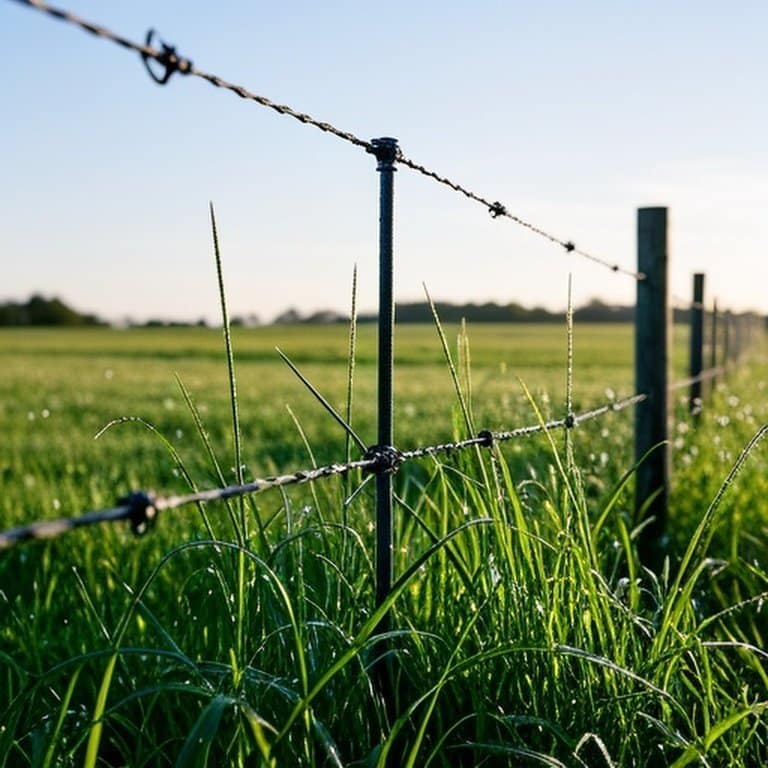
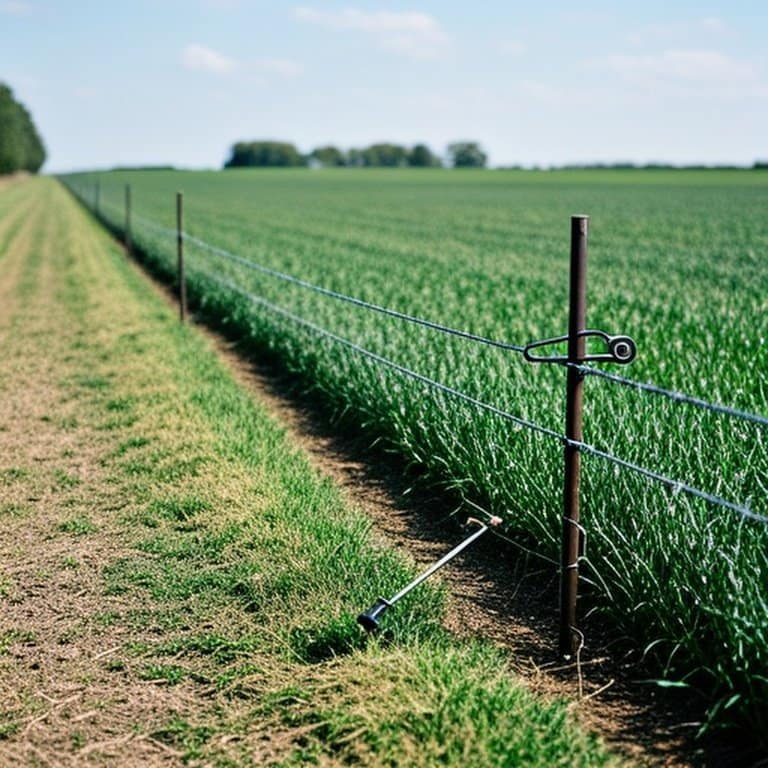
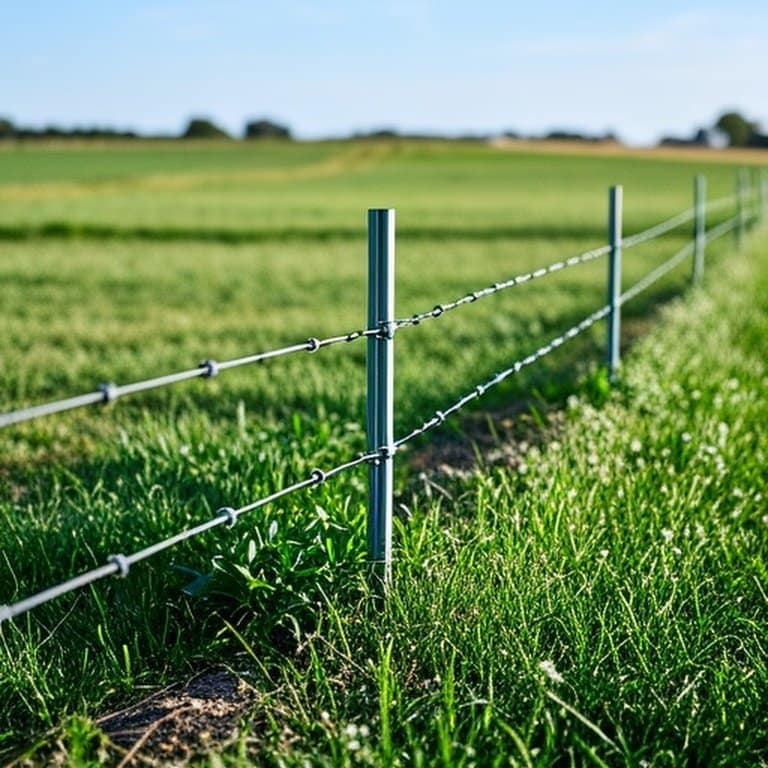
This section covers livestock fence installation, post setting, wire tensioning, inspection routines, and repair strategies. Whether building a new fence or maintaining an existing system, proper installation and regular maintenance help prevent livestock escape, reduce long-term costs, and improve safety. From DIY installation techniques to seasonal damage repair and vegetation control, these guides provide practical solutions for extending fence lifespan and ensuring reliable containment.
What This Section Covers
DIY Fence Installation
Step-by-step guidance for installing farm fencing yourself, including tools, post depth, spacing, wire stretching, and common DIY mistakes to avoid. DIY Fence Installation covers project planning, material estimation, equipment requirements, and realistic timelines for different fence types. Learn whether your project suits DIY completion or requires professional assistance based on terrain complexity and fence system type.
Fence Post Installation
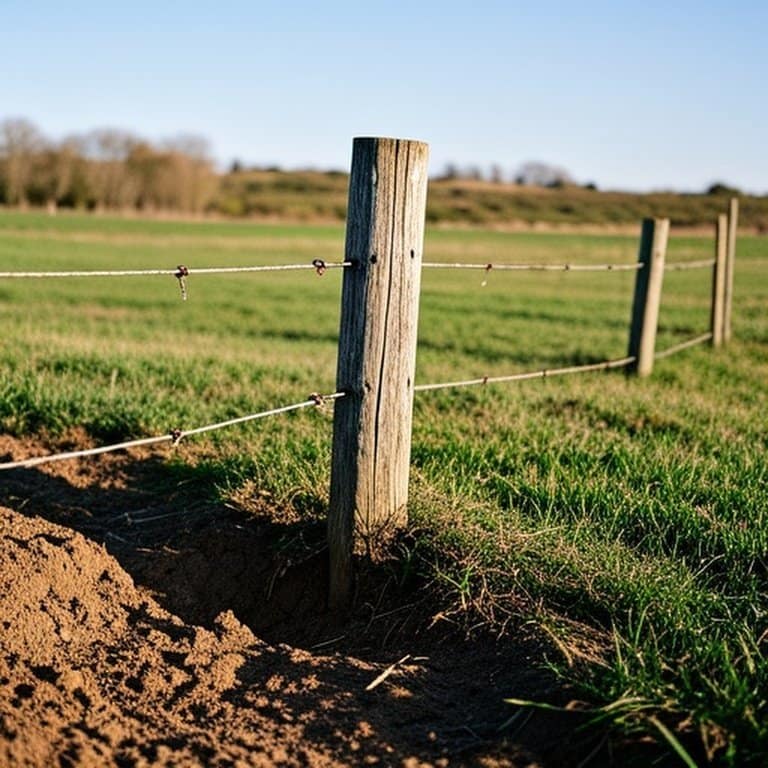
Proper post setting forms the foundation of any durable livestock fence system. Fence Post Installation explains depth requirements, spacing guidelines, concrete versus tamped earth methods, and corner post bracing techniques that prevent leaning and system failure. Post material selection between wood, steel, and composite options significantly affects longevity and maintenance requirements over the fence lifespan.
Fence Inspection & Preventive Maintenance
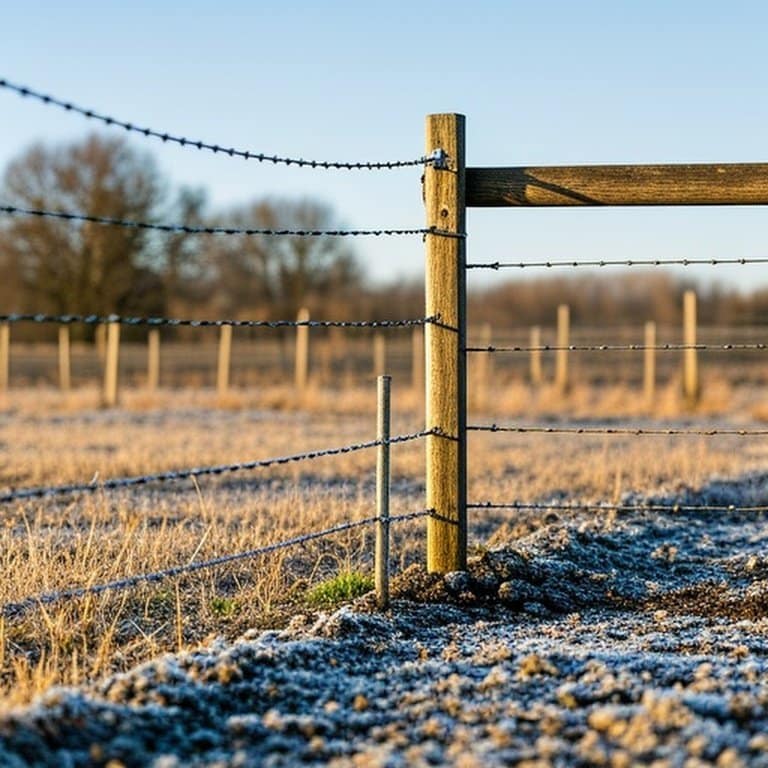
Regular inspection schedules identify small problems before they become expensive failures requiring complete section replacement. Fence Inspection & Preventive Maintenance provides seasonal checklists, inspection frequency recommendations, and documentation strategies that track fence condition over time. Preventive maintenance including wire retensioning, vegetation trimming, and hardware replacement extends system lifespan by decades when performed consistently.
Fence Repair Guides
Even well-maintained fences eventually require repairs from livestock pressure, weather damage, or material degradation. Fence Repair Guides cover common repair scenarios including broken wires, damaged posts, loose staples, and failed gate hardware. Understanding proper repair techniques prevents temporary fixes that fail repeatedly, wasting time and money on ineffective solutions.
Storm & Seasonal Damage Repair
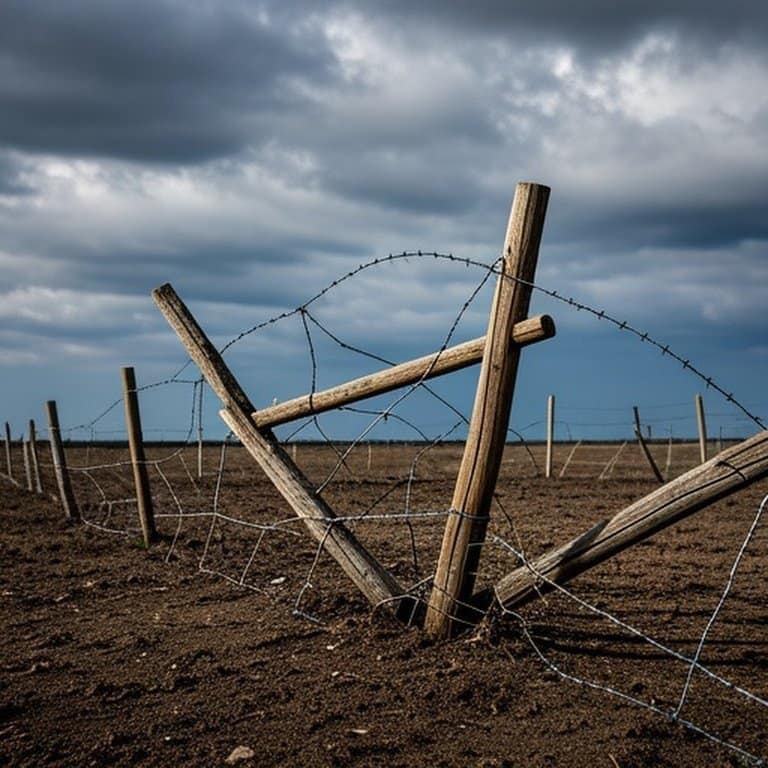
Severe weather events including windstorms, ice loading, flooding, and falling trees create emergency repair situations requiring immediate response. Storm & Seasonal Damage Repair addresses assessment protocols, temporary containment solutions, insurance documentation, and permanent repair strategies. Seasonal damage patterns vary by climate, with freeze-thaw cycles, snow accumulation, and drought conditions each creating specific maintenance challenges.
Vegetation Control
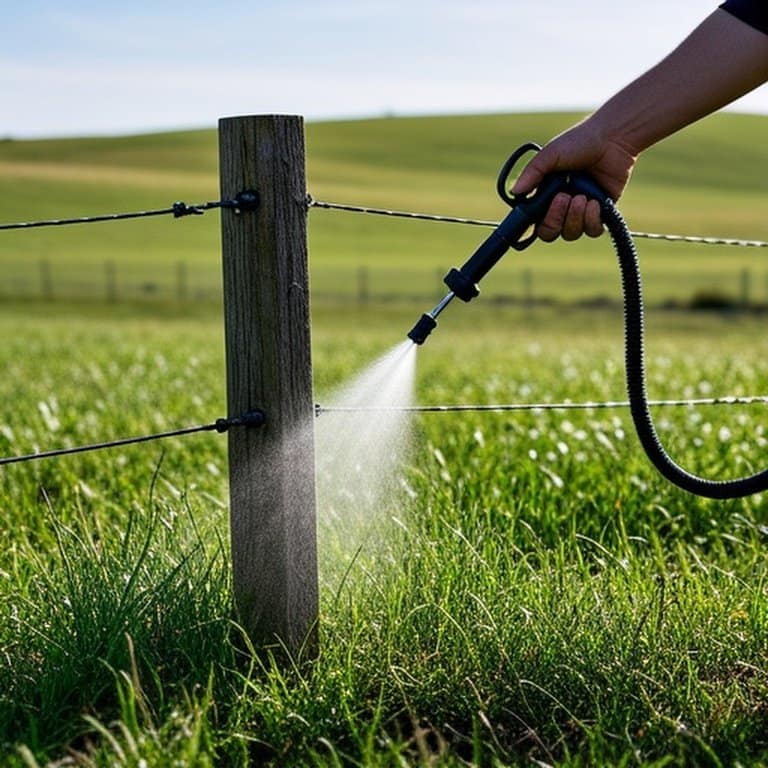
Uncontrolled vegetation growth causes fence failures through wire shorting, post rot, and structural pressure from woody plant growth. Vegetation Control compares mechanical trimming, chemical herbicides, grazing management, and barrier fabrics for preventing plant encroachment. Electric fence systems particularly require diligent vegetation control, as contact between wires and plants drains voltage and eliminates containment effectiveness.
Wire Stretching & Tensioning
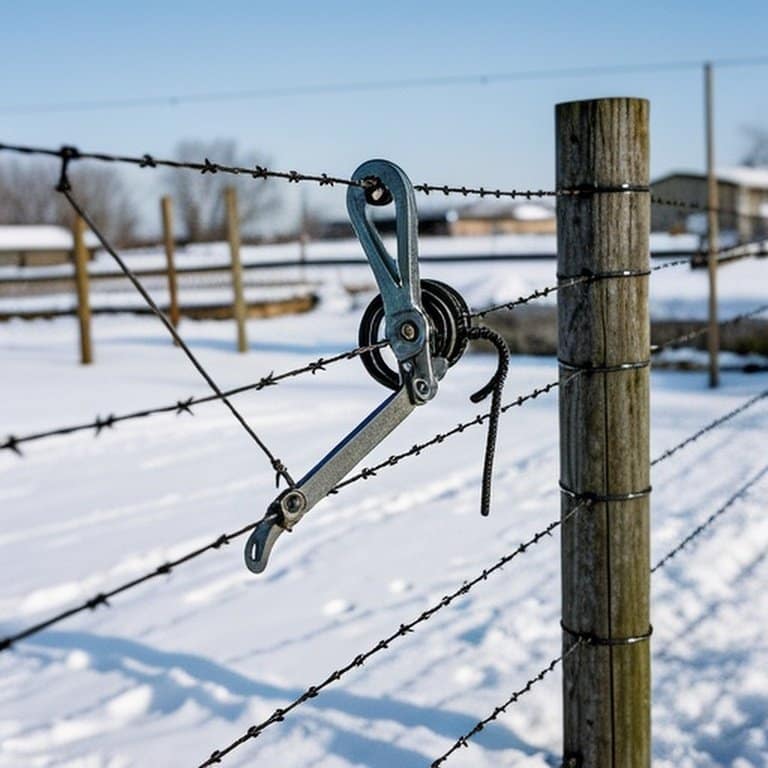
Proper wire tension maintains fence effectiveness while preventing breakage from over-tensioning or livestock pressure from under-tensioning. Wire Stretching & Tensioning explains stretcher tool types, tension measurement methods, temperature adjustment considerations, and retensioning schedules for different wire types. High-tensile systems require significantly more tension than conventional barbed wire, with specific techniques preventing dangerous wire snapback during installation.
Common Installation & Maintenance Scenarios
If you are installing your first farm fence → See DIY Fence Installation for comprehensive planning guidance, tool lists, and realistic timelines that help you understand project scope before beginning construction.
If fence posts are leaning or unstable → See Fence Post Installation to understand proper depth requirements, soil-specific techniques, and bracing methods that prevent future instability issues.
If your wire fence is sagging → See Wire Stretching & Tensioning for proper tension levels, stretcher tool operation, and techniques that restore fence tightness without causing wire breakage.
If recent storms caused damage → See Storm & Seasonal Damage Repair for emergency assessment procedures, temporary containment solutions, and permanent repair strategies that restore fence integrity.
If vegetation is shorting your electric fence → See Vegetation Control for effective trimming schedules, herbicide application strategies, and long-term management approaches that maintain clear fence lines.
If you want to prevent long-term repairs → See Fence Inspection & Preventive Maintenance for seasonal inspection checklists and maintenance schedules that identify problems early before they require expensive repairs.
Related Planning & Cost Topics
Successful fence installation requires coordination with broader planning considerations and budget management. Fence Height & Spacing provides species-specific guidelines for wire placement and post intervals that inform installation planning. Fence Planning Basics covers site assessment, material selection, and layout design that determines installation complexity and timeline. Fence Cost & Budgeting breaks down material expenses, labor costs, and hidden expenses that affect total project investment.
For electric fence systems, specialized installation techniques differ from traditional wire fencing. Electric Fence Installation addresses energizer placement, grounding requirements, and insulator selection specific to electrified systems. Electric Fence Maintenance & Troubleshooting covers voltage testing, short circuit diagnosis, and maintenance procedures that keep electric systems functioning effectively year-round.
Top Fence Installation & Maintenance Questions
How Deep Should Fence Posts Be Set?
Standard fence posts should be set at least one-third of their total length below ground, with corner and gate posts requiring greater depth for stability. Rocky or sandy soils may require concrete anchoring, while clay soils often provide adequate support with tamped earth. Post depth also varies by fence height and livestock pressure, with taller fences requiring proportionally deeper post installation.
How Often Should You Inspect a Farm Fence?
Livestock fences should receive thorough inspection at least twice annually, typically in spring and fall, with additional checks after severe weather events. Regular inspection frequency depends on livestock pressure, fence age, and environmental factors. High-traffic areas near gates, water sources, and feeding stations require more frequent monitoring to catch problems early.
How Do You Repair Fence Damage After a Storm?
Storm damage repair begins with safety assessment and temporary containment to prevent livestock escape. Post-storm fence repair prioritizes critical perimeter sections before interior cross-fencing, documenting damage with photos for insurance claims. Permanent repairs should match or exceed original fence specifications to prevent recurring failures at repaired sections.
How Tight Should Fence Wire Be for Proper Tension?
Proper wire tension varies by wire type, with high-tensile systems requiring 200-250 pounds of tension while conventional barbed wire needs only 50-100 pounds. Correct wire tension prevents sagging without over-stressing posts or creating dangerous snapback risk. Temperature changes affect tension, requiring seasonal adjustments in climates with extreme temperature swings.
Is It Cheaper to Install a Fence Yourself?
DIY fence installation typically saves 40-60% compared to professional installation, though time investment and equipment rental costs reduce actual savings. Cost comparison between DIY and professional installation depends on project complexity, terrain challenges, and whether specialized equipment requires rental or purchase. Simple flat-ground projects favor DIY approaches, while rocky terrain or extensive corner bracing may justify professional expertise.