Short Answer
Yes, barbed wire fencing is legal for farm and agricultural use in most regions, especially in rural and livestock-zoned areas. However, its legality often depends on location, fence placement, and intended use. Restrictions commonly apply near roads, residential properties, public access areas, or property boundaries shared with neighbors.
Why This Question Matters
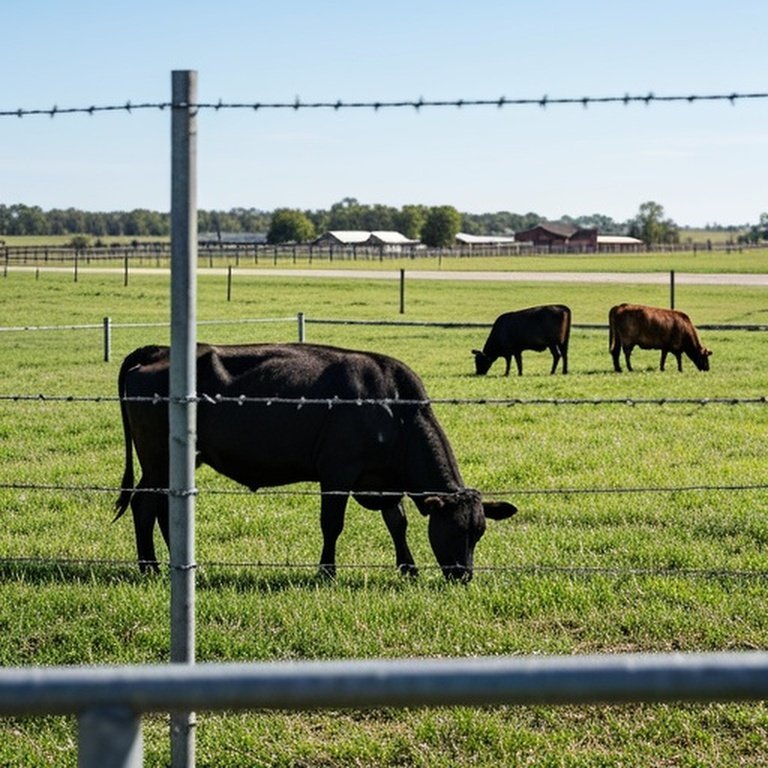
Barbed wire is widely used because it’s affordable and effective, but legality is not universal or unconditional. Many landowners assume that if barbed wire is common in farming areas, it must always be allowed. That assumption can lead to fines, forced removal, or liability if someone—human or animal—is injured.
Local fence laws vary by county, municipality, and zoning classification. Understanding where barbed wire is permitted protects you from legal disputes, insurance issues, and neighbor conflicts. This is especially important for perimeter fences, roadside boundaries, and properties transitioning between agricultural and residential use.
Key Factors to Consider
- Zoning classification: agricultural, residential, or mixed-use
- Fence location relative to roads, sidewalks, and property lines
- Local ordinances or county fence codes
- Liability and injury risk considerations
- Neighbor consent and boundary agreements
Detailed Explanation
In most agricultural regions, barbed wire fencing is explicitly permitted for livestock containment. Many state and county codes recognize it as a standard farm fence, particularly for cattle operations. These allowances usually apply to interior pastures and rural perimeter fencing where public access is limited.
Problems arise when barbed wire is used near public spaces. Fences adjacent to roads, highways, trails, or sidewalks are often restricted or regulated. Some jurisdictions require smooth wire, visibility markers, setbacks, or prohibit barbed wire entirely in these locations due to injury risk.
Zoning plays a critical role. Agricultural-zoned land typically has fewer restrictions, while residential or suburban zones may ban barbed wire outright. Mixed-use or transitioning areas often fall into gray zones where enforcement depends on complaints or inspections.
Property boundaries shared with neighbors are another common issue. Even where barbed wire is legal, disputes can arise if a fence is placed directly on the boundary line, causes injury, or is deemed a nuisance. In some areas, “good neighbor fence” laws require mutual agreement or specific fence types.
Liability is the final—and often overlooked—factor. If a person or animal is injured by a barbed wire fence, legality alone may not protect the owner from lawsuits. Courts often consider whether the fence was appropriate for the location, clearly visible, and reasonably maintained.
By now, it should be clear that barbed wire is generally legal—but only when used in the right place, for the right purpose, and within local rules.
Video Demonstration
How Cattle Behavior Affects This Choice
From a legal standpoint, livestock behavior matters because it affects injury risk and liability. Calm cattle that respect fences are less likely to cause fence failures or create situations where animals escape into public areas.
If livestock frequently push through or damage barbed wire, escapes can lead to road accidents or property damage—situations where fence legality becomes secondary to owner responsibility. In many regions, livestock owners are legally responsible for containment, regardless of fence type.
Using barbed wire where animals are likely to test boundaries increases legal exposure, even if the fence itself is technically allowed.
Calves vs Mature Cattle Considerations
Barbed wire is more legally sensitive when calves are involved. Injuries to young animals raise animal welfare concerns, which can attract scrutiny from regulators or neighbors.
In some regions, animal welfare standards don’t ban barbed wire outright but discourage its use for young or vulnerable livestock. While not always enforced as law, these standards can influence inspections, insurance claims, or civil disputes.
Planning fencing with calves in mind reduces both ethical and legal risk.
Terrain, Visibility, and Pressure Zones
Poor visibility is a frequent legal trigger. Barbed wire fences that are hard to see—especially near roads or shared boundaries—are more likely to be cited or challenged.
Terrain that causes sagging or uneven wire height can also create hazards. In disputes, authorities often assess whether the fence was reasonably safe and visible, not just whether barbed wire was technically allowed.
When This Works Well
- Rural, agriculturally zoned properties
- Interior pasture fencing
- Low public access areas
- Adult cattle operations
- Clear setbacks from roads and neighbors
When This Is Not Recommended
- Residential or suburban zones
- Along roads, trails, or sidewalks
- Shared property boundaries without agreement
- Areas with frequent public access
- Operations concerned about liability exposure
Alternatives or Better Options
Smooth wire or high-tensile fencing
Often allowed in more zones and reduces injury risk while maintaining containment.
Woven wire fencing
Commonly accepted near boundaries and safer for mixed-use areas.
Electric fencing
Frequently permitted even where barbed wire is restricted, especially for interior use.
Cost, Safety, and Practical Notes
Barbed wire’s low upfront cost can be offset by legal and liability risks if used improperly. Fines, forced fence replacement, or lawsuits quickly exceed initial savings.
Always check county and municipal codes before installing perimeter fences. When in doubt, choosing a safer or more widely accepted fence type near public or residential areas reduces long-term risk.
Good placement, visibility, and maintenance matter just as much as legality on paper.
Quick Takeaway
Barbed wire is legal in most agricultural settings, but restrictions apply near roads, neighbors, and residential zones. Knowing local rules—and matching fence type to location—protects both your livestock and your legal standing.