Short Answer
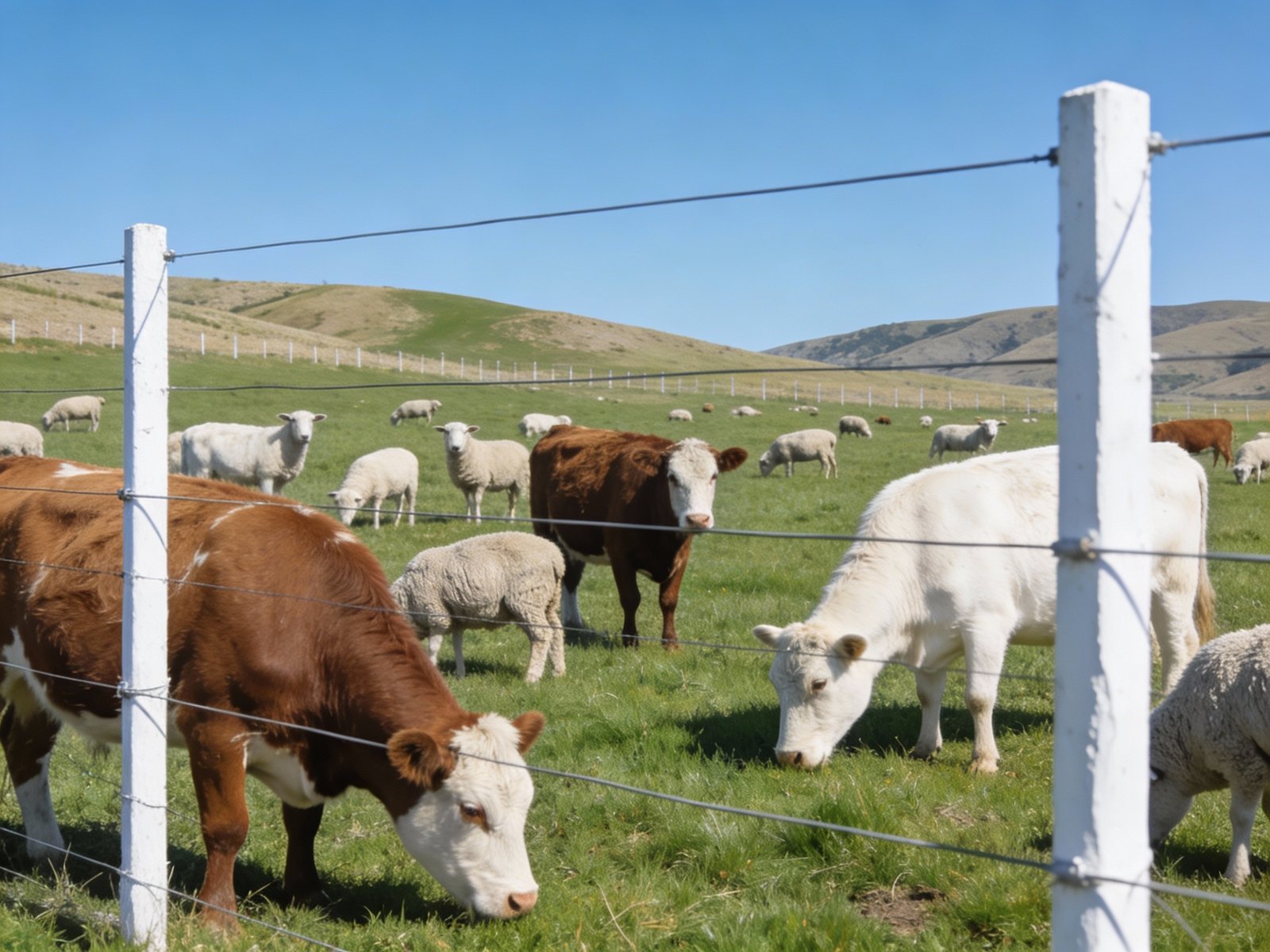
Yes, electric fencing can be highly effective for mixed livestock when properly designed and maintained. It works best as a psychological barrier that conditions different animals to respect the fence, rather than relying on physical strength alone. For mixed herds, electric fencing is most effective when voltage, grounding, and wire placement are matched to the smallest and most challenging species.
Why This Question Matters
Many farms keep cattle, sheep, goats, or horses together to maximize land use, but fencing mistakes often start with assuming one system works equally well for all animals. Electric fencing is widely promoted as flexible and affordable, yet failures can lead to escapes, injuries, or livestock mixing where separation is required. Some producers overestimate its effectiveness, while others dismiss it entirely due to poor past experiences. Understanding whether electric fencing truly works for mixed livestock helps prevent repeated fence repairs, livestock losses, and ongoing management frustration.
Key Factors to Consider
- Species sensitivity to electric shock varies significantly between cattle, sheep, goats, and horses
- Fence voltage consistency across long runs affects training and long-term effectiveness
- Grounding quality directly impacts shock strength, especially in dry or rocky soils
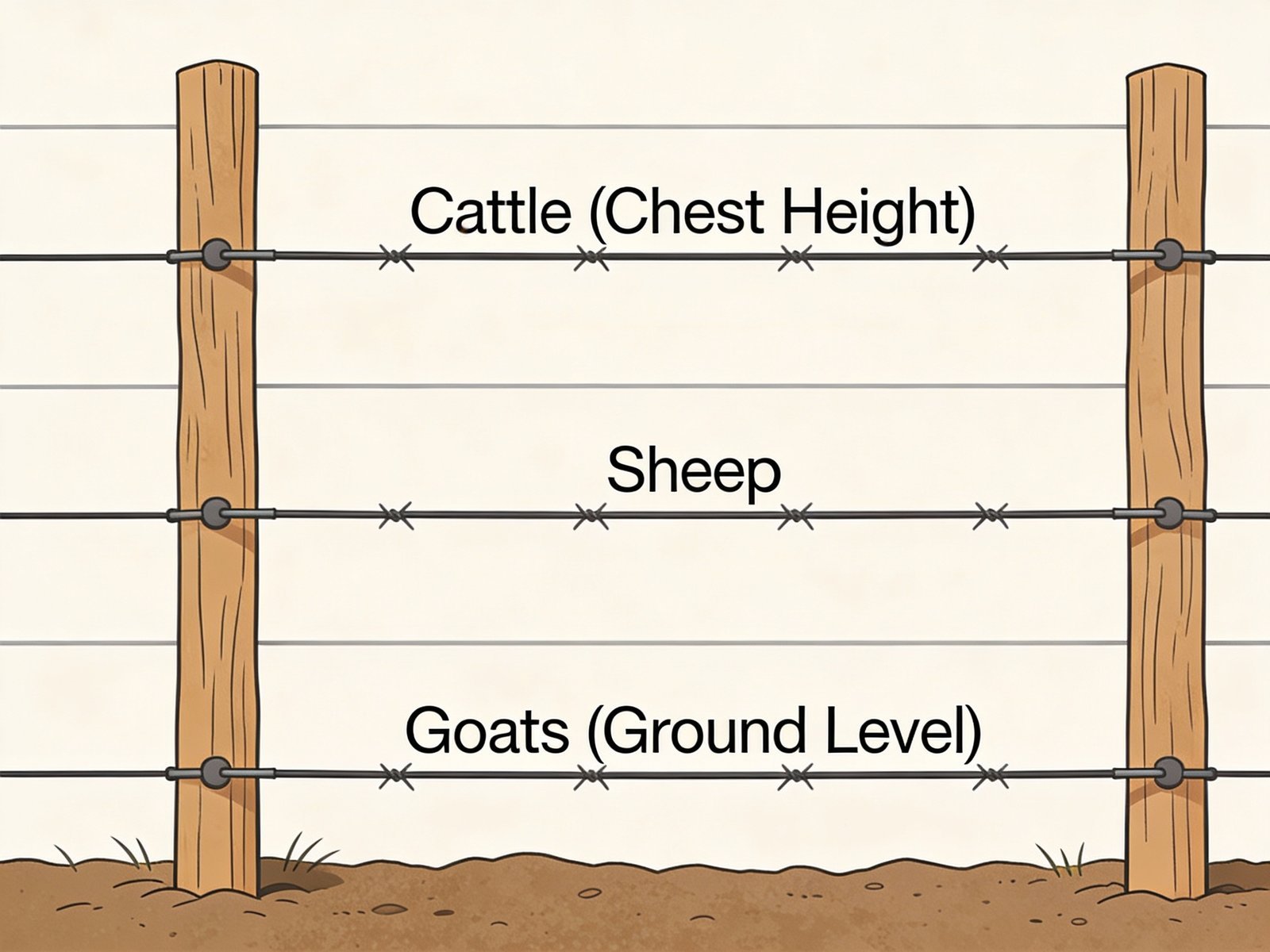
- Wire height and spacing must account for both the tallest and smallest animals
- Vegetation contact can reduce fence performance and create false confidence
Detailed Explanation
Electric fencing works on behavioral conditioning rather than physical restraint, which makes it especially useful for mixed livestock systems. When animals consistently receive a strong, memorable shock during early contact, they learn to avoid the fence altogether. This principle applies across species, but the margin for error becomes smaller as herd diversity increases. Cattle generally respect electric fences quickly, while goats and sheep often require higher voltage and closer wire spacing to achieve the same response.
The effectiveness of electric fencing for mixed livestock depends heavily on system quality. A weak energizer, poor grounding, or voltage drop along the fence line can cause smaller or more agile animals to test and breach the fence. Once animals learn that the fence is inconsistent, they may continue challenging it even after repairs are made. For this reason, electric fencing must be installed as a complete system rather than a minimal barrier.
Another advantage of electric fencing is flexibility. It allows farms to adjust paddock sizes, rotate grazing areas, and separate species when needed without rebuilding permanent structures. This adaptability makes it attractive for operations that change herd composition seasonally. However, flexibility does not mean simplicity. Mixed livestock setups often require multiple hot wires, careful height placement, and regular voltage monitoring to remain effective.
Ultimately, electric fencing is effective for mixed livestock when it is treated as a management tool, not a shortcut. Its success depends on consistent shock delivery, proper animal training, and ongoing maintenance. When these elements are in place, electric fencing can outperform many traditional physical fences in both cost efficiency and livestock control.
How different livestock respond to electric fencing
Different livestock species respond differently to electric fencing due to variations in hair thickness, skin sensitivity, and behavior. Cattle typically respond well to electric fencing because their size and temperament make them cautious after initial contact. Sheep and goats, however, have thicker coats and are more likely to test barriers, which reduces shock effectiveness if voltage is too low. Horses tend to respect electric fences visually but can panic if fencing is inconsistent.
In mixed livestock systems, the fence must be designed for the most difficult species, not the easiest. This often means higher voltage levels and additional wires positioned lower to prevent smaller animals from slipping underneath. Understanding these behavioral differences helps explain why electric fencing succeeds in some mixed setups and fails in others.
When This Works Well
- Mixed herds where animals are properly trained to electric fencing from an early stage
- Pastures requiring frequent layout changes or rotational grazing systems
- Farms with reliable power sources and regular fence monitoring routines
- Situations where physical fencing alone would be cost-prohibitive
- Areas with manageable vegetation growth along fence lines
When This Is Not Recommended
- Farms unable to maintain consistent voltage due to poor grounding or power supply
- Mixed livestock systems including aggressive or highly curious animals
- Areas with heavy vegetation growth and limited maintenance capacity
- Operations relying on electric fencing as the sole barrier near roads or neighbors
- Situations where livestock have already learned to ignore weak electric fences
Alternatives or Better Options
One alternative is combining electric fencing with physical barriers such as woven wire or field fencing. This hybrid approach uses electric wires to discourage pressure while relying on physical mesh to prevent escapes. Another option is permanent high-tensile fencing with selective electrification, offering stronger structure with lower long-term maintenance. For high-risk areas, such as perimeter fencing near roads, fully physical fences may be safer than electric-only systems.
Cost, Safety, and Practical Notes
Electric fencing is often cheaper upfront than traditional fencing, but long-term effectiveness depends on consistent maintenance. Energizers, grounding rods, and voltage testers add to initial costs but are critical to performance. From a safety perspective, electric fencing is generally safe for livestock when installed correctly, as shocks are short and non-lethal. However, poorly maintained systems can increase injury risk if animals become entangled while testing weak fences. Regular inspection and vegetation control are essential trade-offs for lower material costs.
This video shows what a properly installed electric fence for mixed livestock looks like in real conditions.
Quick Takeaway
Electric fencing can work extremely well for mixed livestock—but only when designed for the most challenging animals, not the easiest.