Yes, high-tensile wire fencing can be safe for both animals and people when it is properly designed, installed, and maintained. Its safety depends on correct tensioning, visibility, strand spacing, and behavior control. Most safety issues arise from poor installation or misuse rather than the wire itself.
Why This Question Matters
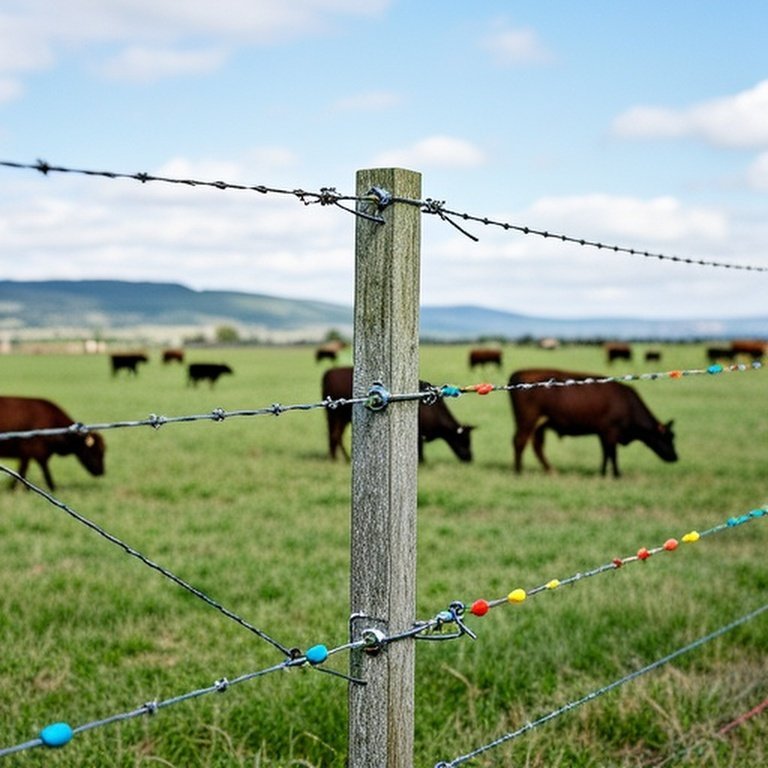
Safety concerns are one of the main reasons livestock owners hesitate to use high-tensile wire. The wire is thinner and tighter than traditional fencing, which raises questions about injury risk, stored energy, and human handling. This question matters because safety outcomes are not determined by material alone, but by system design and management.
A fence that is technically strong but poorly planned can increase risk, while a well-designed high-tensile system can reduce injuries compared to barbed or sagging wire. Understanding the real safety factors prevents both overconfidence and unnecessary fear.
Key Factors to Consider
- Wire tension and release control: stored energy must be managed safely
- Visibility: thin wires require visual markers or offsets
- Strand spacing: improper gaps increase entanglement risk
- Livestock behavior: training reduces physical contact
- Installation practices: safety depends on correct tools and methods
Detailed Explanation
High-tensile wire fencing is not inherently dangerous, but it behaves differently from traditional wire. Because the wire is installed under constant tension, it stores energy. This allows it to resist sagging and stretching, but it also means that failures or improper handling can release energy suddenly if the system is poorly built.
For livestock, safety is largely behavioral. Animals that respect the fence experience fewer injuries because the wire stays tight and predictable. Unlike barbed wire, high-tensile fencing has no barbs to tear hide or cause deep lacerations. When paired with electricity, animals learn to avoid contact entirely, reducing physical interaction and injury risk.
Most livestock injuries occur when strand spacing is incorrect or visibility is poor. Thin wires are harder to see, especially in low light or uneven terrain. Adding markers or electric offsets significantly improves safety by preventing accidental contact and panic responses.
For people, the main risks occur during installation and repair. Improper tensioning, cutting without release control, or weak bracing can cause sudden wire movement. These risks are manageable with proper tools, training, and installation discipline. Once installed correctly, high-tensile fencing presents minimal risk to routine farm activities.
Overall, high-tensile wire fencing is safest when treated as an engineered system rather than a simple material choice. Most reported injuries trace back to shortcuts in design, spacing, or installation—not the wire itself.
How Cattle Behavior Affects This Choice
Cattle behavior plays a major role in safety outcomes. Calm, pasture-trained cattle typically avoid repeated fence contact. High-tensile wire performs well in these conditions because it remains tight and discourages leaning or rubbing.
Problems arise when cattle are crowded, stressed, or unfamiliar with fencing. Group pressure increases the chance of animals pushing into the fence, which raises injury risk regardless of fence type. Electrification reduces this risk by changing behavior before physical contact occurs. In most real-world scenarios, behavioral control matters more than wire thickness for safety.
Calves vs Mature Cattle Considerations
Calves are more likely to encounter safety issues due to curiosity and size. Improper strand spacing can allow calves to attempt passing through, increasing entanglement risk. Proper spacing and visibility are essential when young animals are present.
Mature cattle are heavier but more predictable. High-tensile wire safely resists adult pressure when spacing and tension are correct. Injuries involving adult cattle usually stem from poor visibility or weak structural support rather than excessive wire strength.
Terrain, Visibility, and Pressure Zones
Uneven terrain affects safety by changing effective strand height and tension distribution. Slopes can create unintended gaps or pressure points if post spacing is not adjusted.
Visibility reduces panic reactions. Thin wires benefit from markers, flags, or electric offsets. Pressure zones—gates, corners, feeding, and watering areas—are where safety risks concentrate. Reinforcing these areas improves both containment and injury prevention.
When This Works Well
- Electrified high-tensile fencing systems
- Properly spaced and highly visible wire layouts
- Calm, pasture-trained livestock
- Well-braced corners and end assemblies
- Permanent fencing installations
When This Is Not Recommended
- Poorly installed or under-braced systems
- Low-visibility fencing without markers
- High-pressure livestock without behavior control
- Temporary fencing needs
- Installations without proper tools or training
Alternatives or Better Options
Woven wire fencing provides strong physical barriers with less stored energy but higher material and maintenance costs.
Board or rail fencing offers high visibility and low injury risk but is expensive and labor-intensive.
Hybrid systems using high-tensile wire with electric offsets or woven wire at ground level often provide the best balance of safety and efficiency.
Cost, Safety, and Practical Notes
High-tensile wire fencing offers safety benefits through durability and predictability, but only when installed correctly. Upfront investment in proper tools, training, and visibility features reduces long-term injury risk. Electrification adds cost but often improves safety by minimizing physical contact.
From a practical standpoint, safety failures are almost always design or installation failures. When treated as long-term infrastructure and installed with care, high-tensile fencing can be safer than many traditional wire systems for both animals and people.
Quick Takeaway
High-tensile wire fencing is safe for animals and people when properly designed, visible, and tensioned—most safety risks come from poor installation and unmanaged livestock behavior, not the wire itself.