Yes, high-tensile wire is strong enough for livestock fencing when it is properly designed, tensioned, and supported. Its strength comes from high-carbon steel and constant tension, allowing fewer strands to contain livestock effectively. However, its performance depends on correct installation and livestock behavior, not strength alone.
Why This Question Matters
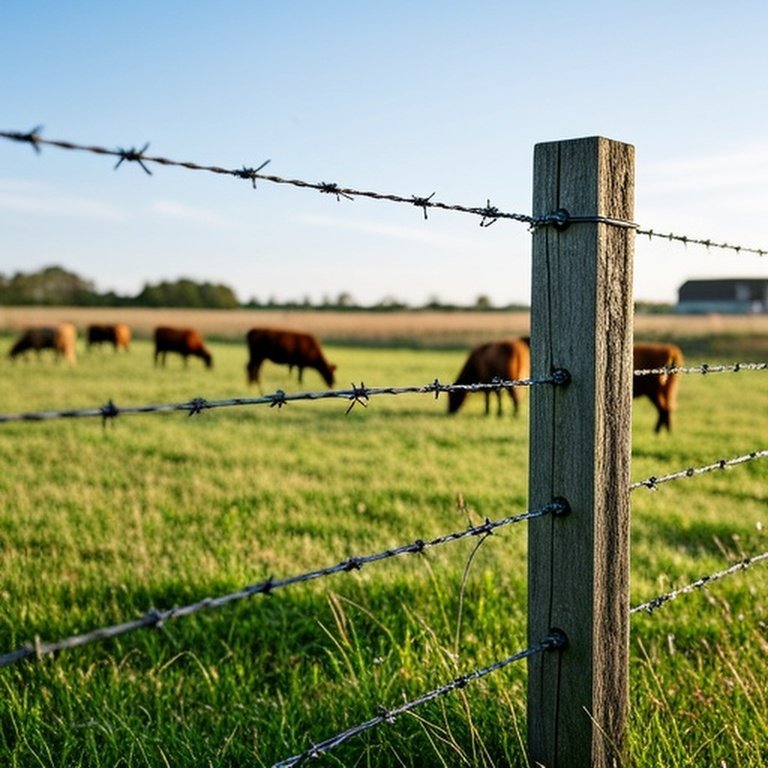
Strength is the most common concern livestock owners have when considering high-tensile wire. Because the fence uses fewer strands and thinner wire than traditional systems, it can appear inadequate at first glance. If the fence fails, the consequences include escapes, injuries, and costly repairs.
This question matters because “strong enough” does not simply mean resisting force—it means maintaining tension, discouraging repeated pressure, and holding livestock reliably over time. Understanding how high-tensile wire achieves strength helps producers decide whether it fits their operation rather than relying on visual assumptions.
Key Factors to Consider
- Wire tensile strength: high-carbon steel designed for constant load
- Fence tension: correct tensioning determines real-world performance
- Livestock pressure type: steady leaning versus aggressive testing
- Post and brace quality: ability to absorb stored wire energy
- Use of electricity: optional but often critical for behavior control
Detailed Explanation
High-tensile wire is strong enough for livestock because it is engineered to behave differently than conventional wire. Instead of stretching under load, high-tensile wire maintains its shape and tension due to its high-carbon steel composition. This allows the fence to resist pressure without sagging, even over long distances.
Most livestock interactions with fencing involve leaning, rubbing, or slow pushing rather than high-speed impact. High-tensile wire performs well in these scenarios by remaining tight and discouraging continued pressure. Regular wire systems often stretch under the same conditions, gradually losing height and effectiveness.
However, strength in high-tensile fencing is system-based, not material-only. The wire stores energy when tensioned, which must be controlled through strong corner braces, end assemblies, and properly spaced posts. If these components are weak or poorly installed, the fence may fail despite the wire’s inherent strength.
High-tensile wire is frequently paired with electric fencing to enhance effectiveness. Electricity changes livestock behavior, reducing physical pressure on the wire. Without electricity, high-tensile fencing can still work, but only when livestock are well-trained and pressure levels are moderate. When installed correctly and matched to livestock behavior, high-tensile wire provides reliable strength comparable to or exceeding traditional fencing systems.
How Cattle Behavior Affects This Choice
Cattle behavior strongly influences whether high-tensile wire feels “strong enough” in practice. Calm, pasture-trained cattle typically lean or rub against fences. High-tensile wire resists this pressure effectively by maintaining tension rather than deforming.
Problems arise when cattle are crowded, stressed, or unfamiliar with fencing. Group pressure at feeding or watering areas can overwhelm non-electrified high-tensile systems. In these cases, electricity becomes less of an enhancement and more of a necessity. High-tensile wire is strongest when it shapes behavior instead of absorbing repeated force.
Calves vs Mature Cattle Considerations
Calves apply relatively low force but are more likely to test fences visually or attempt to pass through gaps. High-tensile wire can be effective if strand spacing is designed specifically for young animals and visibility is improved with markers.
Mature cattle exert significantly more force due to weight and momentum. High-tensile wire handles this better than regular wire because it resists stretching. However, post spacing and brace strength must be designed for adult livestock loads. The wire itself may be strong enough, but system design determines success.
Terrain, Visibility, and Pressure Zones
Terrain affects how force is distributed along a fence line. On slopes, downhill pressure increases tension on certain posts. High-tensile wire handles terrain variation well, but only when post spacing is adjusted accordingly.
Visibility influences perceived strength. Thin, tight wires are more likely to be tested if animals cannot see them clearly. Pressure zones such as corners, gates, and feeding areas concentrate force and must be reinforced regardless of wire strength. Failures in these zones are usually design-related, not material-related.
When This Works Well
- Pasture-trained livestock with predictable movement patterns
- Large acreage fencing where sagging wire is a recurring issue
- Systems paired with electric deterrence
- Properly braced corners and end assemblies
- Long-term fencing installations
When This Is Not Recommended
- Temporary fencing needs
- Poorly braced or underbuilt installations
- High-pressure containment without electricity
- Livestock unfamiliar with fence boundaries
- Situations requiring rigid, impact-resistant barriers
Alternatives or Better Options
Woven wire fencing offers strong physical containment without relying on tension but requires more material and maintenance.
Barbed wire fencing provides low upfront cost but stretches and degrades faster under livestock pressure.
Hybrid systems combining high-tensile wire with electric offsets often provide the strongest balance of containment, durability, and behavioral control.
Cost, Safety, and Practical Notes
High-tensile wire fencing typically costs more upfront than regular wire but often reduces long-term maintenance and replacement costs. From a safety standpoint, stored energy in the wire requires careful installation and visibility measures. Poorly installed systems can pose higher risk than conventional wire.
Practically, strength should be evaluated as part of the entire system. When posts, braces, tension, and livestock behavior are aligned, high-tensile wire is more than strong enough for most livestock fencing applications.
Quick Takeaway
High-tensile wire is strong enough for livestock fencing when its system design, tension, and livestock behavior are aligned—strength comes from controlled tension, not wire thickness alone.