Short Answer
Interior cross fencing is not strictly necessary for every small farm, but it is highly beneficial in most cases. Even on limited acreage, cross fencing improves grazing control, reduces pasture damage, and increases stocking efficiency. For small operations aiming for long-term pasture health, interior divisions are usually worth the investment.
Why This Question Matters
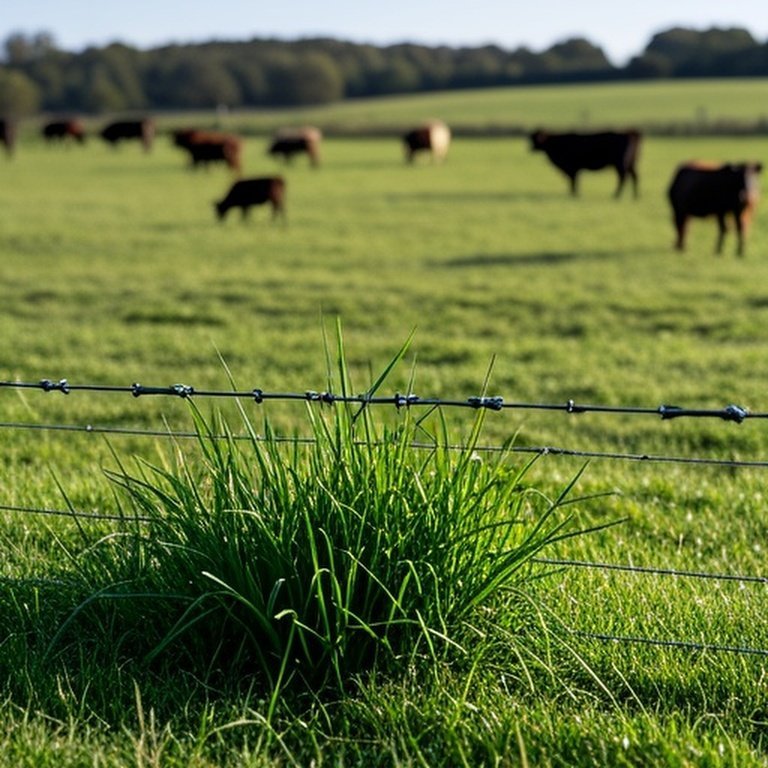
Small farms often operate under tighter budgets and limited acreage. It is common to prioritize perimeter fencing and delay interior divisions. However, without cross fencing, livestock graze selectively, overuse certain areas, and underutilize others. Over time, this leads to soil compaction, weed pressure, and reduced forage productivity.
Because small farms have less total pasture area, poor grazing management has a faster and more noticeable impact. Rotational grazing systems—made possible by interior cross fencing—allow grass recovery and more even manure distribution.
The decision is not about size alone. It is about management goals. If you want to maximize pasture health and animal performance, even a modest cross fencing system can significantly improve outcomes.
Key Factors to Consider
- Total acreage available per animal
- Grazing intensity and stocking density
- Forage growth rate in your climate
- Long-term pasture improvement goals
- Budget and labor availability
Detailed Explanation
On very small acreages with minimal livestock, it is possible to operate without cross fencing, particularly if animals are rotated manually or housed seasonally. However, continuous grazing on a single pasture often results in uneven forage utilization.
Livestock naturally overgraze preferred plants and ignore less desirable areas. Without internal divisions, animals return repeatedly to the same spots, preventing regrowth and weakening root systems. Over time, this reduces forage yield and increases weed invasion.
Cross fencing enables controlled grazing periods followed by rest intervals. Even dividing a small property into two or three paddocks can dramatically improve pasture recovery. Electric fencing makes this feasible without excessive material costs.
The smaller the farm, the more valuable controlled grazing becomes. Because land is limited, maximizing productivity per acre is critical. Interior fencing allows you to stretch forage resources and reduce supplemental feed costs.
While not mandatory in every scenario, cross fencing is usually a strong management upgrade—even on small farms.
Extended Practical Considerations
How Cattle Behavior Affects This Choice
Cattle tend to congregate near water, shade, and feeding areas. Without cross fencing, those zones become overgrazed and compacted.
Interior divisions help redistribute grazing pressure and improve pasture uniformity.
Calves vs Mature Livestock Considerations
Young animals benefit from smaller paddocks where monitoring is easier.
Mixed-age herds may require temporary divisions to separate groups for feeding or breeding control.
Terrain, Visibility, and Pressure Zones
Small farms often have varied terrain, creating uneven grazing patterns.
Cross fencing allows you to manage slopes, wet areas, or high-traffic zones more effectively.
When This Works Well
- Limited acreage with moderate stocking density
- Goal of rotational grazing or forage improvement
- Electric fencing used for flexibility
- Willingness to rotate livestock regularly
- Desire to reduce purchased feed costs
When This Is Not Recommended
- Extremely low stocking rates with abundant forage
- Seasonal livestock use only
- Minimal management involvement
- Budget constraints preventing maintenance
- Very short-term land use plans
Alternatives or Better Options
Two-Paddock Starter System
Divide the pasture into two sections and rotate animals weekly or biweekly. This simple setup offers noticeable improvement without major investment.
Temporary Electric Cross Fencing
Use polywire or step-in posts to create flexible divisions that can change with forage conditions.
Strip Grazing Method
Advance animals gradually using movable fencing to maximize forage efficiency on limited acreage.
Cost / Safety / Practical Notes
Interior cross fencing on small farms is often affordable when electric systems are used. Material costs remain relatively low compared to permanent perimeter fencing.
The primary trade-off is labor. Rotational systems require active management. However, improved forage utilization can reduce feed costs and extend grazing seasons, offsetting labor investment.
Small farms typically benefit more per acre from cross fencing than large operations because land constraints amplify grazing impact.
Quick Takeaway
Interior cross fencing is not mandatory for every small farm, but it is highly beneficial for improving pasture health and grazing efficiency. Even simple two-paddock systems can significantly increase productivity on limited acreage.