
Short Answer
Yes, permanent electric fencing is worth the cost for long-term livestock operations where reliability, low maintenance, and consistent containment matter. Although upfront installation costs are higher than temporary systems, permanent electric fencing typically costs less over time by reducing repairs, labor, escapes, and fence replacements when properly designed and grounded.
Why This Question Matters
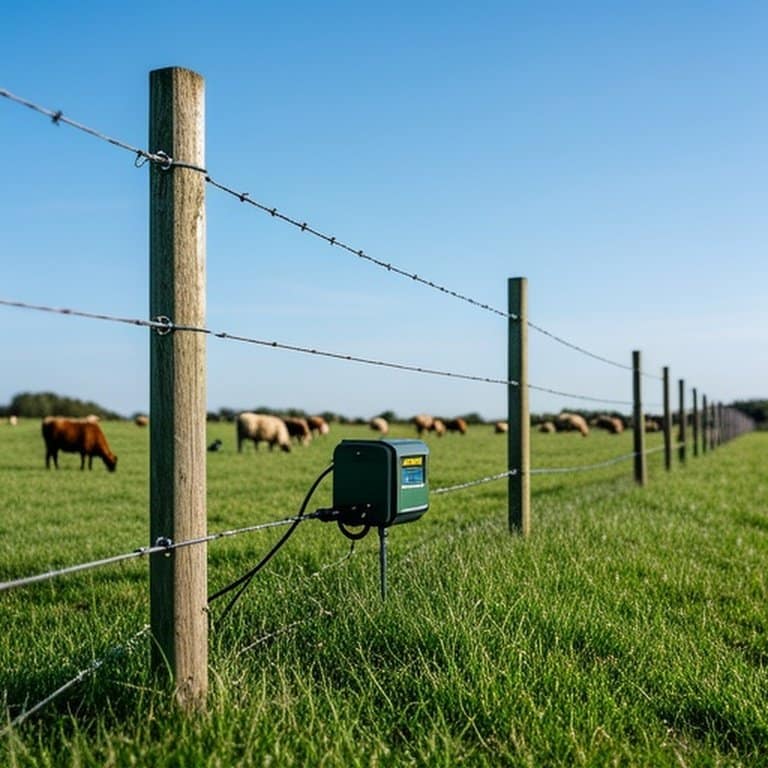
Permanent electric fencing is often rejected too quickly because of its initial price tag. Many operators compare only material costs and overlook labor, maintenance, animal losses, and fence lifespan. Others install cheaper systems that work briefly but fail under pressure, dry conditions, or with mature livestock. This question matters because fencing is not a short-term purchase—it is an infrastructure decision. Choosing the wrong system can lock you into years of repairs and frustration. Understanding whether permanent electric fencing is truly “worth it” requires looking at total ownership cost, not just installation expense.
Key Factors to Consider
- Upfront material and installation costs are higher
- Long-term maintenance requirements are significantly lower
- Fence lifespan often exceeds 20 years when installed correctly
- Livestock behavior improves with consistent, reliable fencing
- Operational scale strongly affects return on investment
Detailed Explanation
Permanent electric fencing costs more initially because it uses heavier posts, high-tensile wire, solid corner assemblies, and properly sized energizers and grounding systems. These components are designed to remain in place for many years with minimal adjustment. While this raises upfront expense, it dramatically reduces ongoing labor and repair costs.
Temporary or underbuilt fences often require frequent tightening, post replacement, vegetation control, and troubleshooting. Over time, these recurring costs add up. More importantly, fence failures lead to livestock escapes, damaged fencing, lost grazing control, and increased stress on animals and operators. Permanent electric fencing minimizes these risks by maintaining consistent voltage and structural integrity.
Another factor is behavior. Livestock trained on a reliable fence test boundaries less often. Once animals learn the fence is effective, physical contact drops sharply. This reduces wear on wires and posts, extending system lifespan. In contrast, inconsistent fences invite repeated testing, accelerating damage and maintenance needs.
When evaluated over 10–20 years, permanent electric fencing often outperforms cheaper alternatives financially. The system’s value comes not from being the least expensive option today, but from being the most predictable and durable option over time. For operations that depend on dependable containment, the cost is justified by stability and reduced long-term risk.
Video Demonstration
How Cattle Behavior Affects This Choice
Cattle quickly learn whether a fence is reliable. Permanent electric fencing delivers consistent voltage, which discourages testing behavior early. Once cattle respect the fence visually, pressure on the system decreases. In contrast, weaker or inconsistent fences invite leaning and pushing, leading to repeated damage. Over time, the behavioral stability created by permanent fencing reduces repair costs and labor, directly improving its cost-effectiveness.
Calves vs Mature Cattle Considerations
Calves are easier to contain and may respect lighter fencing, but permanent electric fencing is designed for mature animals. Adult cattle exert more pressure and are less sensitive to weak shocks. Systems built only for calves often require upgrades later, increasing total cost. Designing once for mature livestock avoids reinvestment and makes permanent fencing more economical in the long run.
Terrain, Visibility, and Pressure Zones
Difficult terrain, long fence runs, and high-pressure zones increase the value of permanent fencing. In these environments, frequent repairs and voltage loss make cheaper systems expensive to maintain. Permanent fencing handles uneven terrain, gates, and corners better, reducing long-term maintenance and improving return on investment.
When This Works Well
- Long-term perimeter or paddock fencing is required
- Livestock numbers justify infrastructure investment
- Labor availability is limited
- Fence layout remains stable year after year
- Reliable power and grounding can be installed
When This Is Not Recommended
- Fence layout must change frequently
- Short-term or seasonal use is expected
- Livestock pressure is minimal
- Power supply is unreliable
- Budget cannot support proper installation
Alternatives or Better Options
Temporary or semi-permanent electric fencing may be more cost-effective for rotational grazing systems that require frequent layout changes. These systems trade durability for flexibility and lower upfront cost. In some operations, combining permanent perimeter fencing with temporary interior fencing provides the best balance of cost and adaptability. Choosing the right mix often delivers better value than committing fully to one approach.
Cost, Safety, and Practical Notes
Permanent electric fencing shifts cost from ongoing maintenance to upfront investment. While installation requires more planning and expense, long-term costs are typically lower due to reduced labor, fewer failures, and longer lifespan. From a safety perspective, permanent systems are stable and predictable, reducing accidental contact and emergency repairs. The biggest financial risk is not the fence itself, but installing a permanent system incorrectly—poor grounding or undersized energizers can undermine its value. Proper design is what makes the cost worthwhile.
Quick Takeaway
Permanent electric fencing is worth the cost when long-term reliability, low maintenance, and consistent livestock control matter. Its value lies not in being cheap, but in being dependable over decades rather than seasons.