Short Answer
Yes, temporary electric fencing is effective for livestock control when used correctly. It relies on consistent voltage, good visibility, and trained animals to create a psychological barrier rather than a physical one. For rotational grazing, short-term paddocks, and controlled movement, it can perform as reliably as permanent fencing under the right conditions.
Why This Question Matters
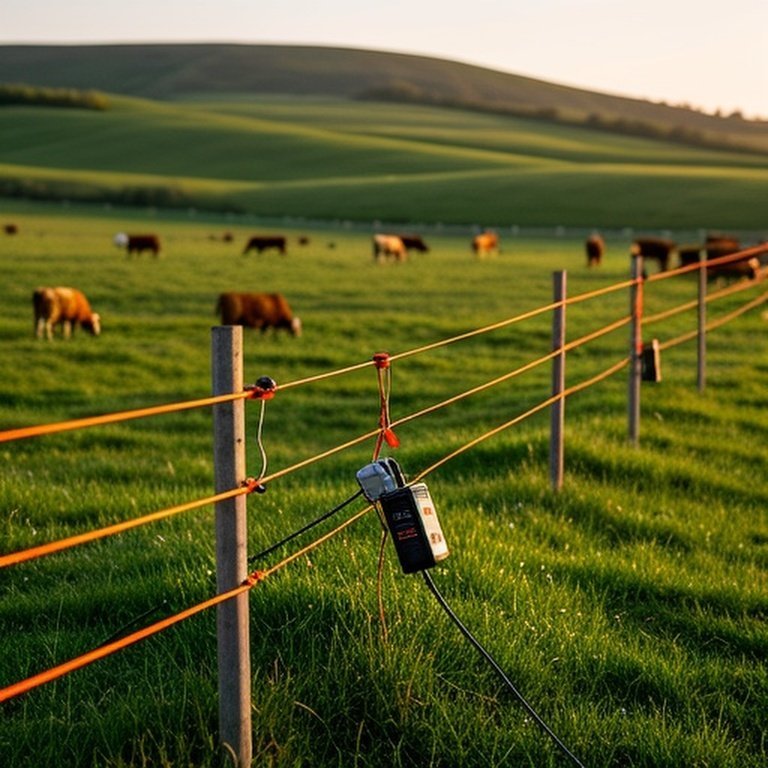
Many livestock producers hesitate to trust temporary electric fencing because it looks light, flexible, and easy to move. The concern is understandable: if the fence doesn’t physically block animals, will it really hold them? This question matters because choosing the wrong fencing system affects animal control, labor efficiency, pasture health, and overall costs. Temporary fencing can be highly effective—or completely frustrating—depending on how and when it’s used. Understanding its real-world effectiveness helps operators avoid misuse and set realistic expectations before relying on it for daily livestock management.
Key Factors to Consider
- Effectiveness depends on animal training and prior exposure
- Consistent voltage is more important than wire strength
- Visibility strongly influences animal respect
- Works best under controlled grazing pressure
- Requires active monitoring and adjustment
Detailed Explanation
Temporary electric fencing controls livestock through behavioral conditioning, not physical restraint. Animals learn quickly that touching the fence results in an unpleasant but harmless shock. Once trained, they avoid the fence altogether, even though it offers little mechanical resistance. This is why temporary fencing can appear weak but still function effectively.
The key to effectiveness is consistency. Voltage must be high enough and stable enough to deliver a memorable first contact. If animals encounter weak or intermittent shock, they may push through, learn the fence is unreliable, and ignore it later. In this sense, temporary fencing is less forgiving than permanent systems—it works extremely well when managed properly, and poorly when neglected.
Temporary electric fencing excels in systems where livestock movement is intentional and controlled. Rotational grazing is the most common example, where animals are moved frequently and pressure on any single fence line remains low. In these settings, animals are calm, forage-driven, and responsive, making behavioral control highly effective.
However, temporary fencing is not designed for high-stress or high-pressure situations. Hungry animals, untrained livestock, predator pressure, or external disturbances can overwhelm the psychological barrier. The fence itself cannot physically stop a determined animal. By the end of this explanation, the conclusion should be clear: temporary electric fencing is effective when used as a management tool, not when expected to behave like a permanent barrier.
Video Demonstration
How Cattle Behavior Affects This Choice
Cattle behavior is one of the strongest predictors of success with temporary electric fencing. Cattle are highly sensitive to electric shock and have strong memory responses. After one or two encounters, most cattle learn to respect the fence and stop testing it altogether. Calm cattle under controlled grazing conditions respond especially well.
Problems arise when cattle feel pressure—such as overcrowding, limited forage, or stress from handling. In these cases, cattle may challenge boundaries regardless of training. Temporary fencing works best when cattle are moved proactively rather than reactively, keeping pressure off fence lines and reinforcing learned behavior instead of fear-based responses.
Calves vs Mature Cattle Considerations
Calves typically adapt quickly to temporary electric fencing, often faster than mature cattle. Their lighter weight and cautious behavior reduce fence pressure. Mature cattle rely more on learned respect than fear and require consistent voltage to maintain effectiveness. If mature animals experience weak shock, they are more likely to test boundaries. For mixed-age groups, fence height and strand placement must account for both body size and curiosity levels.
Terrain, Visibility, and Pressure Zones
Flat or gently rolling terrain improves performance by keeping wire height consistent and voltage stable. Poor visibility—especially with thin polywire—reduces effectiveness. Polytape improves respect in high-traffic areas. Corners, gates, and water access points concentrate pressure and require extra attention or reinforcement to maintain control.
When This Works Well
- Rotational or strip grazing systems
- Trained livestock familiar with electric fencing
- Low predator pressure environments
- Short-duration containment needs
- Active, hands-on management styles
When This Is Not Recommended
- Long-term perimeter containment
- Untrained or stressed livestock
- High predator or public exposure areas
- Situations with inconsistent power supply
- Operators unable to monitor fence condition regularly
Alternatives or Better Options
For long-term containment or high-pressure areas, permanent electric fencing provides greater reliability. Many operations combine permanent perimeter fences with temporary internal divisions, using each where it performs best. In predator-prone or public-facing locations, adding physical fencing improves safety and confidence while maintaining flexibility internally.
Cost, Safety, and Practical Notes
Temporary electric fencing offers lower upfront costs but higher management demands. Materials experience more wear due to frequent handling, and energizers must be checked regularly. From a safety standpoint, it is safe for livestock and people, but failures usually stem from weak grounding or neglected maintenance. Practically, its effectiveness depends less on materials and more on daily decision-making. When matched with the right system and mindset, temporary fencing delivers excellent control at a fraction of permanent infrastructure costs.
Quick Takeaway
Temporary electric fencing is effective for livestock control when used intentionally: trained animals, good visibility, stable voltage, and low pressure. Treat it as a management tool—not a physical wall—and it performs exceptionally well.