Short Answer
Welded wire mesh can be strong enough for goats and sheep in controlled conditions, but it is usually not ideal for mature cattle. Its rigid structure handles light to moderate pressure well, yet it lacks flexibility under sustained force. Strength depends on wire gauge, post spacing, animal behavior, and whether the fence is used for perimeter or interior containment.
Why This Question Matters
This question matters because “strong enough” means different things for different animals. Cattle, goats, and sheep apply pressure in very different ways, and welded wire mesh reacts differently than flexible fencing systems. Many failures happen not because the material is weak, but because its limits are misunderstood. Using welded wire mesh in the wrong context can lead to broken welds, bent panels, injured animals, and repeated repairs. Understanding whether it is truly suitable for your livestock helps prevent costly mistakes and improves both safety and long-term fence performance.
Key Factors to Consider
- Wire gauge and weld quality determine resistance to bending and failure
- Post spacing and corner bracing control how force transfers through the fence
- Livestock size, strength, and behavioral pressure patterns
- Fence role: perimeter containment versus interior or pen fencing
- Long-term maintenance access and repair tolerance
Detailed Explanation
Welded wire mesh is built from horizontal and vertical wires welded together at fixed intersections, creating a rigid grid. This rigidity provides consistent openings and good visibility, which helps animals recognize boundaries. However, it also means the fence does not flex under pressure. When force is applied, stress concentrates at weld points and posts rather than spreading across the fence line.
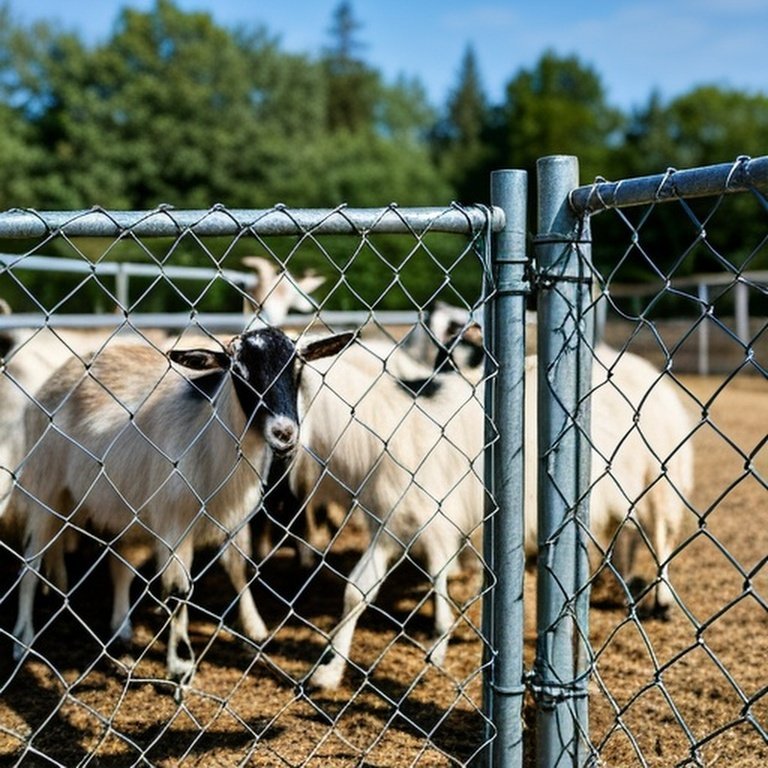
For goats and sheep, welded wire mesh can be effective when properly installed. These animals are lighter, and uniform spacing reduces the risk of head or leg entrapment. Goats may climb or rub, but with adequate post spacing and heavier gauge wire, welded mesh can hold up well in pens and interior fencing.
Cattle present a different challenge. Mature cattle exert significant force through leaning, rubbing, and crowding—often repeatedly in the same areas. Welded wire mesh does not absorb this pressure well unless it is extremely heavy-duty and closely supported. In many real-world installations, this leads to bent panels, broken welds, or fence deformation over time.
The short answer holds because welded wire mesh is conditionally strong, not universally strong. It performs best where pressure is predictable and limited. Once pressure becomes constant or concentrated, flexibility becomes more important than rigidity—and that is where welded wire mesh reaches its limits.
How Cattle Behavior Affects This Choice
Cattle interact with fences using mass rather than precision. They lean their full body weight, scratch against surfaces, and crowd together near feed or water. These behaviors apply slow, sustained pressure rather than sharp impacts. Welded wire mesh struggles in these conditions because it cannot flex to release stress.
Over time, repeated cattle pressure focuses on the same welds and posts. Even heavy-gauge mesh can fatigue if corner bracing or post spacing is insufficient. This is why welded wire mesh may appear strong initially but fail gradually. For cattle, behavior—not strength ratings—is the primary limiting factor.
Calves vs Mature Cattle Considerations
Welded wire mesh is often suitable for calves because of their lighter weight and smaller size. Uniform openings improve safety and visibility, helping young animals learn boundaries without getting stuck. In calf pens or nursery areas, welded mesh can perform reliably.
As cattle mature, their strength increases faster than fence tolerance. A fence that worked for calves may fail within a single season once animals reach full size. This transition phase is where many fencing systems fail, making scalability a key concern when choosing welded wire mesh.
Terrain, Visibility, and Pressure Zones
Flat terrain favors welded wire mesh because tension and alignment remain consistent. Uneven ground introduces stress points where rigidity becomes a disadvantage. Visibility is a strength of welded mesh, reducing accidental collisions.
Pressure zones—corners, gates, feeding areas—are where welded mesh is most likely to fail. Without reinforcement, these zones concentrate force beyond what rigid welds can tolerate, regardless of livestock type.
When This Works Well
- Goats and sheep in controlled paddocks or interior fencing
- Calves or young livestock with limited pressure behavior
- Pens, corrals, and handling areas with strong posts
- Predator control using small opening mesh
- Farms with regular inspection and maintenance routines
When This Is Not Recommended
- Perimeter fencing for mature cattle
- High-pressure feeding or watering areas
- Wide post spacing or weak corner bracing
- Uneven terrain without adjustments
- Low-maintenance operations needing flexibility
Alternatives or Better Options
Woven wire fencing provides flexibility that better suits cattle and mixed herds. High-tensile wire systems offer strength with controlled give when properly tensioned. Electric fencing can reduce physical pressure by modifying animal behavior, especially when combined with physical barriers. These alternatives often outperform welded wire mesh in high-pressure or large-scale livestock systems.
Cost, Safety, and Practical Notes
Welded wire mesh often costs more per foot than woven wire, especially when heavier gauges and closer post spacing are required. Labor costs can increase due to installation precision. Safety benefits include reduced entanglement for small animals, but damaged welds can create sharp edges if not repaired. Practically, welded mesh works best where pressure is limited and inspections are frequent. Long-term value depends on matching fence rigidity to livestock behavior.
Quick Takeaway
Welded wire mesh is strong enough for goats, sheep, and calves in the right conditions, but it is rarely the best choice for mature cattle. Its success depends on controlled pressure, solid installation, and realistic expectations about livestock behavior.