Short Answer
The biggest fencing mistakes in mixed livestock setups come from designing for one animal type while ignoring others. Common errors include incorrect wire spacing, inadequate fence height, weak perimeter protection, and layouts that fail to account for different animal behaviors. These mistakes often lead to escapes, injuries, predator losses, and repeated repairs.
Why This Question Matters
Mixed livestock fencing fails more often than single-species fencing because it must manage conflicting behaviors in the same physical system. Goats test gaps, sheep crawl under, cattle lean, and horses panic under pressure. Many producers assume that a fence strong enough for the largest animal will automatically contain the smallest, or that adding more wire later will fix problems. In reality, early design mistakes can create ongoing escape issues, higher maintenance costs, animal injuries, and increased predator risk that compound over time.
Key Factors to Consider
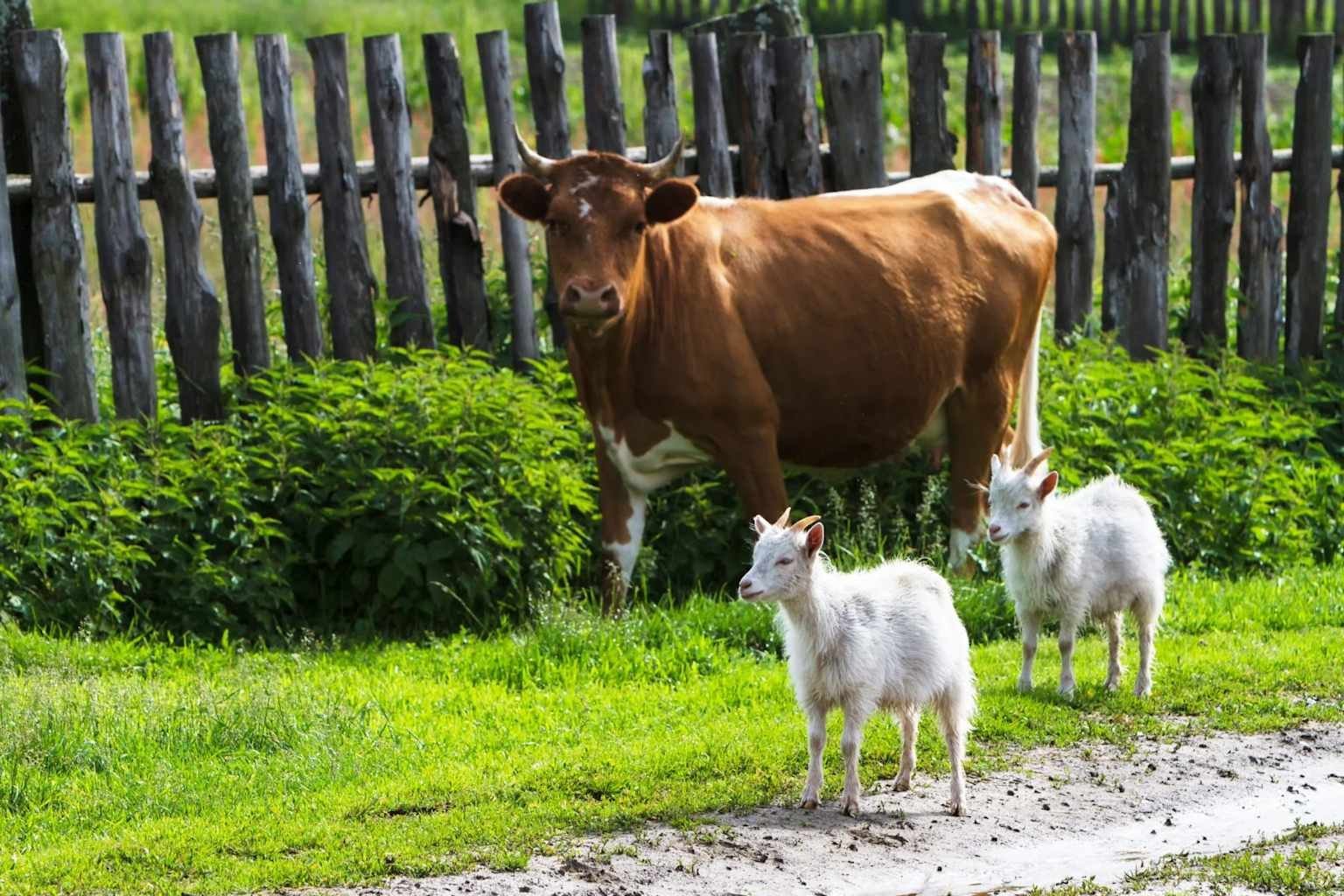
Differences in animal size, strength, and escape behavior within the same enclosure. Wire spacing and ground clearance that must stop both crawling and pushing. Fence height relative to jumping, climbing, and leaning tendencies. Perimeter versus interior fencing priorities in mixed-use pastures.
Detailed Explanation
Most fencing mistakes in mixed livestock systems happen during planning, not installation. A common error is designing fences around the strongest or largest animal while overlooking smaller or more agile species. Cattle may respect wide wire spacing, but goats and sheep quickly exploit gaps. Poultry and young animals often escape under fences that appear solid at eye level. These mismatches create failure points that animals discover faster than people expect.
Another frequent mistake is underestimating behavior under pressure. Animals behave differently when startled, crowded, or threatened by predators. Horses may challenge fences they normally respect, cattle may lean or rub, and smaller animals may panic and force their way through weak sections. Fences designed only for calm conditions often fail during storms, feeding congestion, or predator encounters.
Layout errors also cause long-term problems. Straight-line fencing across uneven ground leaves gaps underneath, while poor corner bracing allows tension loss over time. In mixed systems, these weaknesses are amplified because different animals apply pressure in different ways. What looks like a minor sag for cattle can become a crawl-under escape route for sheep or pigs.
Finally, many setups rely on reactive fixes instead of integrated design. Adding a hot wire after repeated escapes or patching problem spots individually increases complexity without solving the root issue. Effective mixed livestock fencing requires anticipating multiple behaviors at once and building a system that discourages testing before it starts.
How Animal Behavior Differences Create Hidden Failure Points
Mixed livestock fencing often fails at behavior overlap zones. Goats climb and test vertical spaces, sheep exploit low gaps, cattle apply horizontal pressure, and horses react to visual and psychological cues. A fence that satisfies only one of these behaviors usually fails another. Successful systems minimize curiosity triggers, reduce physical leverage points, and limit access to weak zones rather than relying on strength alone.
When This Setup Works Well
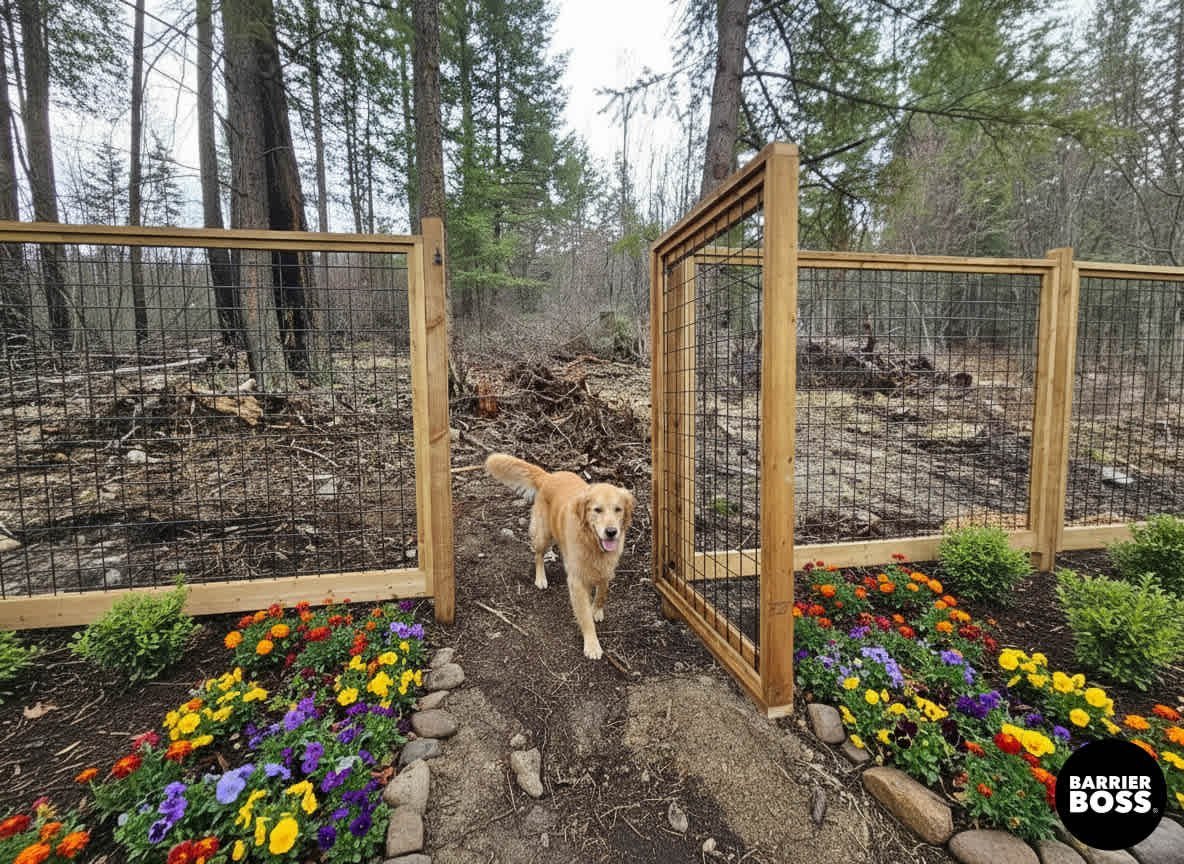
Livestock species have similar size ranges and low escape motivation. Perimeter fencing is designed for the smallest and most agile animal. Terrain is relatively level with minimal erosion risk. Fence maintenance is frequent and proactive.
When This Is Not Recommended
High predator pressure combined with lightweight fencing. Steep or uneven terrain without ground-following design. Frequent livestock mixing and separation without cross-fencing. Reliance on temporary fixes instead of integrated planning.
Alternatives or Better Options
In higher-risk setups, layered fencing systems perform better than single-type solutions. Combining physical barriers with electric deterrents reduces pressure on any one component. For properties with frequent livestock rotation, modular fencing allows adjustments without rebuilding entire sections. In predator-heavy regions, reinforced perimeter fencing with simpler interior divisions often provides better long-term reliability.
Cost, Safety, and Practical Notes
Most fencing mistakes cost more to fix than to prevent. Retrofitting wire spacing, adding posts, or rebuilding corners typically exceeds the original savings from simplified designs. Safety risks increase when animals escape into roadways or neighboring properties, or when tangled wire causes injuries. From a practical standpoint, fences that work “most of the time” usually fail at the worst possible moment. Designing for mixed livestock should prioritize containment reliability over short-term material savings.
Video Demonstration
Why watch this video: This video shows real-world mixed livestock fencing failures and how corrected layouts prevent pressure points, gaps, and predator entry.