
Short Answer
Permanent electric fencing typically costs $300 to $900 per acre, depending on fence layout, terrain, number of strands, materials, and labor. Simple perimeter systems on flat ground fall near the lower end, while complex layouts with corners, gates, and heavy grounding requirements push costs higher. Long-term costs are usually lower than most physical fencing alternatives.
Why This Question Matters
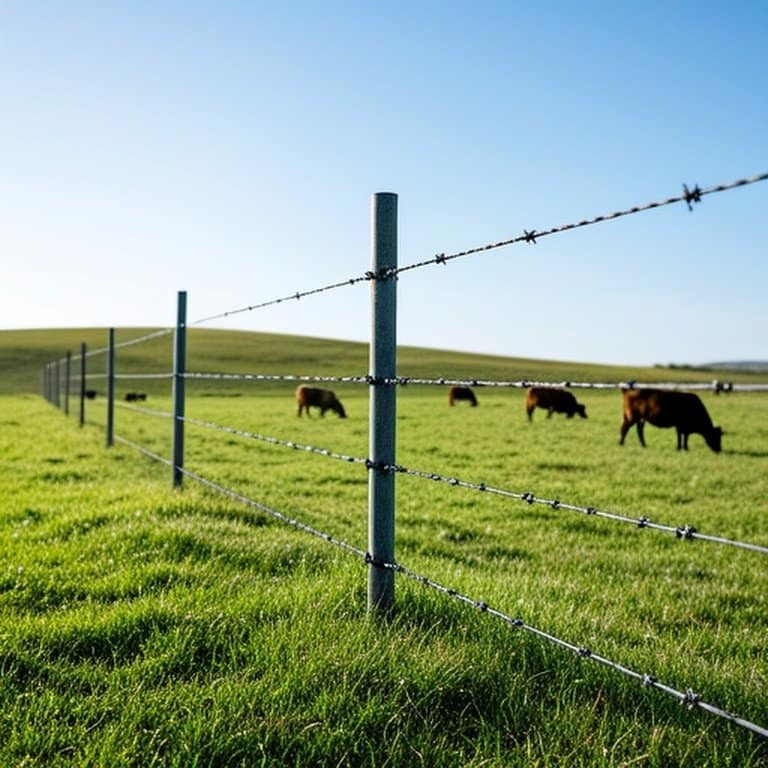
Cost per acre is one of the most searched questions because fencing decisions are rarely small-scale. A difference of a few hundred dollars per acre can mean thousands—or tens of thousands—across an entire operation. Many cost estimates online are misleading because they ignore layout efficiency, terrain, or long-term maintenance. Understanding realistic per-acre costs helps you budget accurately, compare fencing options fairly, and avoid underbuilding systems that later require expensive upgrades. This question matters because fencing mistakes are rarely cheap to fix once installed.
Key Factors to Consider
- Fence layout efficiency affects total wire and post length
- Terrain and soil conditions influence installation and grounding cost
- Number of wire strands increases material and labor expense
- Post type and spacing significantly impact budget
- Labor method (DIY vs professional) changes total cost
Detailed Explanation
Permanent electric fencing cost per acre is driven more by layout and design choices than by acreage alone. Large, square fields require less fencing per acre than small, irregular paddocks. This is why two properties with the same acreage can have very different costs. Perimeter fencing generally costs less per acre than heavily subdivided systems because fewer linear feet of fence are required.
Material choices account for much of the cost. High-tensile wire is relatively inexpensive per foot, but solid corner assemblies, posts, insulators, and grounding systems add up quickly. The number of wire strands matters as well. A single- or two-strand fence costs far less than a four- or five-strand system, both in materials and installation time.
Terrain plays a major role. Rocky soil, steep slopes, wooded areas, and poor grounding conditions increase labor and material needs. Grounding systems in dry or frozen regions require additional rods and wire, which increases cost but is essential for performance. Gates, corners, and high-pressure zones also add expense that is often overlooked in simple per-acre estimates.
Labor can double or halve total cost. DIY installation reduces cash expense but increases time investment. Professional installation raises upfront cost but often results in better layout efficiency and fewer long-term problems. When averaged over the lifespan of the fence—often 20 to 30 years—per-acre costs drop dramatically compared to fences that require frequent repair or replacement.
Video Demonstration
How Cattle Behavior Affects This Choice
Cattle behavior influences how much fencing pressure the system must handle. Calm, well-trained cattle allow for simpler designs with fewer strands, lowering per-acre cost. Herds under higher pressure—due to stocking density, feed placement, or predator presence—require stronger layouts with additional wires and better grounding. Designing for cattle behavior upfront reduces long-term repair costs and prevents upgrading later, which often costs more than building correctly the first time.
Calves vs Mature Cattle Considerations
Fences built only for calves are cheaper initially but often fail as animals mature. Adult cattle require higher, stronger, and more consistent fencing. Designing from the start for mature livestock increases upfront cost slightly but prevents rebuilding later. Over the full lifespan of the fence, systems built for mature animals usually have a lower total cost per acre.
Terrain, Visibility, and Pressure Zones
Irregular terrain increases fencing length per acre and requires more posts and bracing. High-pressure zones such as gates, water points, and feeding areas demand stronger construction, raising cost locally. Poor visibility may require additional strands或 markers, increasing materials slightly but reducing long-term damage and escapes.
When This Works Well
- Large, efficiently shaped pastures
- Stable, long-term fence layouts
- Livestock trained to electric fencing
- Adequate grounding conditions
- Willingness to invest upfront for durability
When This Is Not Recommended
- Short-term or seasonal fencing needs
- Highly changeable pasture layouts
- Extremely limited installation budget
- No access to reliable power
- Expectation of zero maintenance
Alternatives or Better Options
For operations needing flexibility, semi-permanent or temporary electric fencing may reduce upfront per-acre cost, though lifespan is shorter. A common cost-effective strategy is permanent perimeter fencing combined with temporary interior fencing. This approach concentrates spending where durability matters most while allowing low-cost adjustments inside the system.
Cost, Safety, and Practical Notes
Permanent electric fencing shifts cost from frequent repairs to upfront investment. While per-acre cost may seem high initially, spreading that expense over 20–30 years usually results in a lower annual cost than cheaper fencing options. From a safety standpoint, properly installed permanent systems reduce emergency repairs and animal escapes, which carry both financial and liability risk. The biggest cost mistake is underbuilding—saving money upfront often leads to higher total cost later.
Quick Takeaway
Permanent electric fencing typically costs $300–$900 per acre, depending on layout, terrain, and design choices. While not the cheapest upfront option, it is often one of the lowest-cost fencing systems over its full lifespan when built correctly.