Planning & Design
Livestock Fence Planning & Design Guide
This section covers how to plan and design livestock fencing systems before installation. Learn how fence height, spacing, terrain, soil conditions, climate, perimeter design, and rotational grazing layouts affect long-term durability, safety, and cost efficiency. Proper planning prevents costly mistakes, optimizes material use, and ensures fencing systems meet both current needs and future expansion requirements across varying property conditions and livestock management strategies.
What This Section Covers
Fence Planning Basics
Covers layout strategy, acreage calculation, gate placement, expansion planning, and common design mistakes before installation. Fence Planning Basics helps you establish property boundaries, determine optimal fence routes, and plan for future modifications. Understanding site-specific factors before material purchase prevents expensive redesigns and ensures adequate budget allocation for complete project scope.
Fence Height & Spacing
Guidelines for livestock height requirements, post spacing, wire spacing, and predator considerations across different species. Fence Height & Spacing provides species-specific recommendations for cattle, goats, horses, sheep, and pigs. Proper height prevents jumping while correct wire spacing stops small animals from squeezing through or getting heads trapped in openings.
Terrain & Soil Considerations
How slope, clay, sand, frost heave, and rocky ground affect post depth and structural stability over time. Terrain & Soil Considerations addresses challenges of uneven ground, water drainage patterns, and soil types that determine post installation methods. Rocky terrain may require specialized equipment, while clay soils need deeper post placement to prevent heaving during freeze-thaw cycles.
Climate & Weather Factors
How snow, wind, drought, flooding, UV exposure, and lightning affect fence material choice and design adjustments. Climate & Weather Factors explains regional considerations including snow load on wire strands, wind pressure on posts, and UV degradation of synthetic materials. Extreme climates require material upgrades and structural reinforcement beyond standard fence specifications.
Perimeter vs Interior Fencing
Design differences between boundary fencing and cross fencing systems regarding strength, materials, and maintenance requirements. Perimeter vs Interior Fencing helps allocate budget effectively by investing in permanent perimeter security while using economical temporary systems for interior divisions. Understanding these functional differences prevents over-building interior fences or under-building critical boundaries.
Rotational Grazing & Cross Fencing
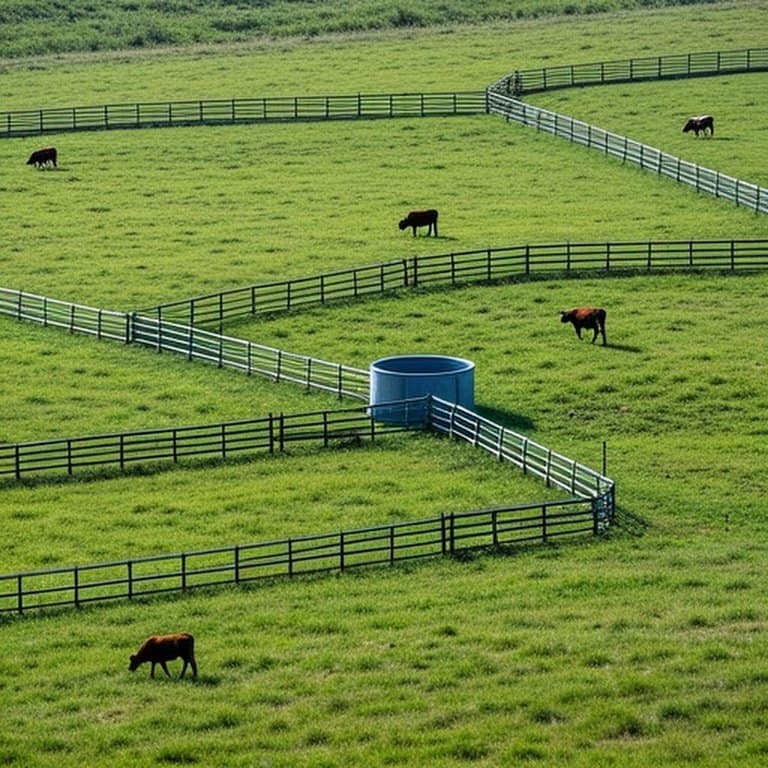
Paddock layout, temporary vs permanent divisions, water access planning, and grazing efficiency through strategic pasture subdivision. Rotational Grazing & Cross Fencing covers fence configurations that enable intensive grazing management. Proper cross-fencing design improves pasture recovery, reduces parasite loads, and optimizes forage utilization across growing seasons.
Common Decision Scenarios
If you are planning fencing for new land → See Fence Planning Basics to establish layout strategy, calculate total fence length, identify gate locations, and avoid common first-time design mistakes that create long-term problems.
If you are unsure about proper fence height → See Fence Height & Spacing for species-specific height requirements, wire spacing recommendations, and predator prevention guidelines that ensure adequate containment without over-building.
If your property has slopes or rocky soil → See Terrain & Soil Considerations for specialized techniques handling uneven ground, post installation in difficult soils, and drainage management that prevents premature fence failure.
If you live in extreme winter or drought areas → See Climate & Weather Factors to understand how regional weather patterns affect material selection, post depth requirements, and seasonal maintenance scheduling.
If you want to divide pasture for grazing rotation → See Rotational Grazing & Cross Fencing for paddock layout strategies, temporary versus permanent division decisions, and water distribution planning that enables effective pasture management.
If you are upgrading perimeter security → See Perimeter vs Interior Fencing to understand design differences between boundary systems requiring maximum strength and interior divisions where lighter materials suffice.
How Fence Design Impacts Long-Term Performance
Structural Stability Over Time
Post depth, spacing intervals, and corner bracing systems determine whether fences maintain tension and alignment decades after installation. Inadequate post depth allows frost heaving in cold climates, while excessive post spacing creates sagging wire sections under livestock pressure. Proper corner bracing transfers wire tension into the ground rather than pulling posts inward, preventing the progressive leaning that eventually requires complete system replacement. Design decisions during initial planning eliminate structural failures that emerge years later.
Animal Pressure and Behavioral Patterns
Fence design must account for species-specific behaviors including rubbing, pushing, jumping, and digging that create persistent pressure on fence systems. Cattle congregating at feeding areas generate concentrated pressure requiring stronger bracing and closer post spacing. Goats test fences by climbing and pushing, necessitating taller heights and tighter wire spacing than cattle require. Horses running along fence lines create impact loads that lightweight systems cannot withstand. Understanding these behavioral patterns during design prevents repeated repairs in high-pressure zones.
Environmental Stress Factors
Freeze-thaw cycles, high winds, and soil moisture fluctuations create cumulative stress that degrades poorly designed fence systems. Posts set above frost depth heave during winter, loosening wire tension annually. Wind pressure on long unsupported wire spans strains posts and fasteners, gradually pulling staples loose. Clay soils expand when wet and contract when dry, creating movement that breaks rigid connections. Design strategies including deeper posts, shorter spans, and flexible connections accommodate environmental stress without failure.
When Planning & Design Matters Most
Comprehensive planning becomes critical in specific situations where mistakes create expensive long-term consequences. New property fencing requires complete system design before any installation begins, as poor initial layouts cannot be easily corrected. Large acreage fencing covering hundreds or thousands of feet multiplies small design errors into major cost overruns and functional problems. Multi-species farms need fencing that satisfies the most restrictive animal requirements while accommodating rotation between different livestock types. High predator pressure areas demand integrated design combining physical barriers with electric deterrence for reliable protection. Extreme climate regions including harsh winters, high winds, or intense UV exposure require material upgrades and reinforced structural design. Long-term cost optimization depends on planning that balances initial investment against maintenance expenses and replacement intervals over decades of use.
When Basic Layout Is Enough
Simple fence design suffices in situations where complexity provides minimal benefit over straightforward approaches. Small contained paddocks with short fence runs and minimal terrain challenges rarely justify extensive planning beyond basic post spacing and height requirements. Temporary fencing systems intended for seasonal use or short-term containment need only functional design without long-term optimization. Interior electric cross fencing for pasture subdivision involves flexible layouts easily modified as management needs change. Short-term grazing divisions using portable systems accommodate trial-and-error adjustments without permanent infrastructure commitment.
Related Fencing Topics
Fence planning integrates with material selection, installation techniques, and cost management decisions. Fencing Types & Materials compares barbed wire, woven wire, high-tensile, and electric systems to inform design choices based on material strengths and limitations. Electric Fencing explains how electrified systems affect height requirements, spacing intervals, and grounding considerations during design planning. Installation & Maintenance addresses post depth specifications, wire tensioning techniques, and repair access planning that begins during initial design. Costs, Safety & Regulations covers budgeting considerations, permit requirements, and liability factors that constrain design options before finalizing fence layout.
Top Questions About Fence Planning
How do I plan a livestock fence layout?
Start by walking property boundaries to identify existing landmarks, water sources, and terrain challenges. Determine livestock type and numbers to calculate required acreage per animal, then divide pasture into manageable zones before selecting specific materials. Consider gate placement for vehicle access, feeding areas, and rotation between paddocks. Proper layout planning prevents expensive redesigns after installation begins.
Does terrain affect fence post depth?
Yes. Rocky soils may prevent achieving standard depth, requiring shorter posts with concrete anchoring or closer spacing for stability. Sandy soils need deeper post placement or concrete setting to prevent wind or animal pressure from loosening posts. Clay soils require posts set below frost depth to prevent heaving. Terrain-specific post depth directly impacts long-term fence stability and maintenance requirements.
Should perimeter fences be stronger than cross fences?
Yes. Perimeter fences face higher pressure from animals testing boundaries, require longer lifespan materials, and carry greater liability if livestock escape onto roads or neighboring property. Interior cross fencing can use lighter materials since animals already contained within perimeter rarely challenge internal divisions with equal intensity. Perimeter versus interior fence strength affects material budgeting and long-term replacement planning.
How does climate influence fence design?
Snow load adds weight to wire strands, requiring stronger posts and closer spacing in heavy snowfall regions. Wind exposure increases pressure on posts and wire, necessitating deeper post depth and reinforced corners. UV radiation degrades synthetic materials like polywire and plastic insulators faster in high-altitude or southern climates. Climate-specific design modifications prevent premature material failure and reduce maintenance frequency.
Is rotational grazing fencing worth the effort?
Yes. Proper cross-fencing for rotational grazing improves pasture recovery time, reduces internal parasite loads through rest periods, and enhances forage utilization by preventing selective overgrazing. Initial fencing investment typically recovers through reduced feed costs and improved livestock health within 3-5 years. Rotational grazing fence benefits multiply on larger acreage with higher stocking densities.