Yes, chickens can be kept in with portable fencing when it is properly designed and managed. Portable poultry fencing works best as a temporary or rotational containment system, not a permanent barrier. It relies on consistent setup, good ground contact, and frequent checks rather than physical strength alone to keep chickens contained.
Why This Question Matters
Portable fencing is often marketed as a simple, all-in-one solution for keeping chickens contained, especially for free-range or rotational systems. Many people assume it works the same way as permanent fencing and are surprised when chickens escape or predators breach it. This question usually comes up when someone wants flexibility, faster setup, or the ability to move chickens regularly without building fixed infrastructure. Understanding what portable fencing can and cannot do prevents misplaced expectations, animal losses, and frustration. Used correctly, it can be extremely effective—but used incorrectly, it fails quickly and unpredictably.
Key Factors to Consider
- Portable fencing depends on setup quality more than material strength
- Ground contact determines whether chickens slip under or push through
- Chicken behavior changes when fencing is moved frequently
- Predator pressure affects reliability of temporary systems
- Daily monitoring is required for consistent performance
Detailed Explanation
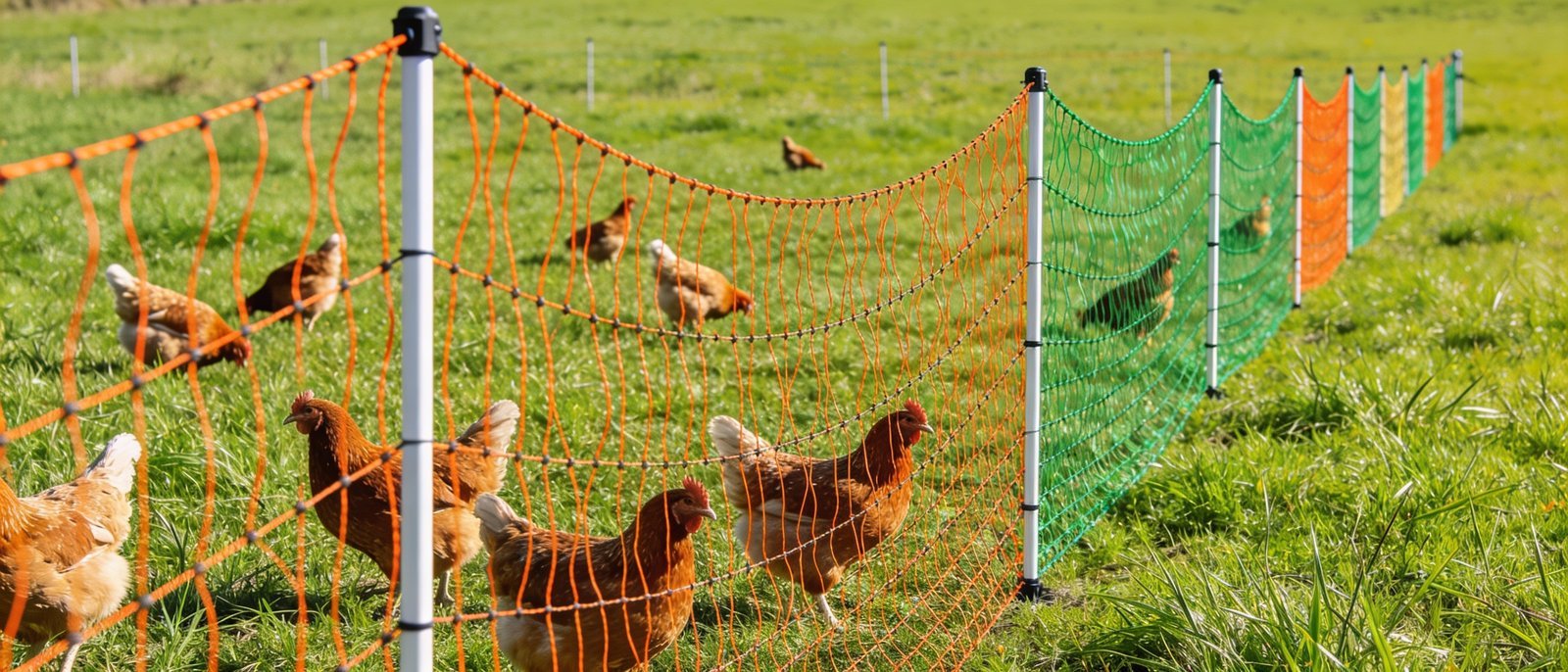
Portable fencing works for chickens because it creates a psychological and visual boundary rather than a rigid physical barrier. Most systems use lightweight posts and flexible netting, often combined with electricity, to discourage chickens from crossing rather than physically blocking them. When installed correctly, chickens quickly learn to respect the boundary and remain contained.
However, portable fencing succeeds only when its limitations are understood. Because it is lightweight, it cannot compensate for poor setup. Uneven ground, gaps at the bottom, or leaning posts quickly create escape points. Chickens are opportunistic and will exploit low spots or loose sections, especially after fencing is moved and birds are still exploring the new area.
Portable fencing also behaves differently from permanent fencing in terms of pressure distribution. Stress is not absorbed by rigid posts or frames but by flexible materials that must remain properly tensioned. This makes frequent inspection essential. Small problems—such as vegetation shorting electric lines or posts shifting in soft soil—can quickly render the fence ineffective.
Another key factor is predator interaction. Portable fencing is designed primarily for containment, not long-term predator resistance. While electric poultry netting can deter many ground predators, it is less reliable if power drops, soil dries out, or wildlife becomes accustomed to the fence. For this reason, portable fencing performs best when paired with secure nighttime housing rather than used as a sole defense.
In practice, portable fencing is most successful when treated as a management tool rather than a permanent structure. It excels in rotational grazing systems, short-term pasture use, and situations where flexibility is more important than absolute containment.
Chicken Behavior in Portable Systems
Chickens respond differently to portable fencing than to permanent enclosures. When fencing is moved, birds often test boundaries out of curiosity rather than escape intent. Calm birds adapt quickly, while flighty or newly introduced chickens may challenge the fence repeatedly. Providing feed, water, and shelter well inside the fenced area reduces pressure on the boundary and improves containment reliability.
Ground Conditions and Setup Quality
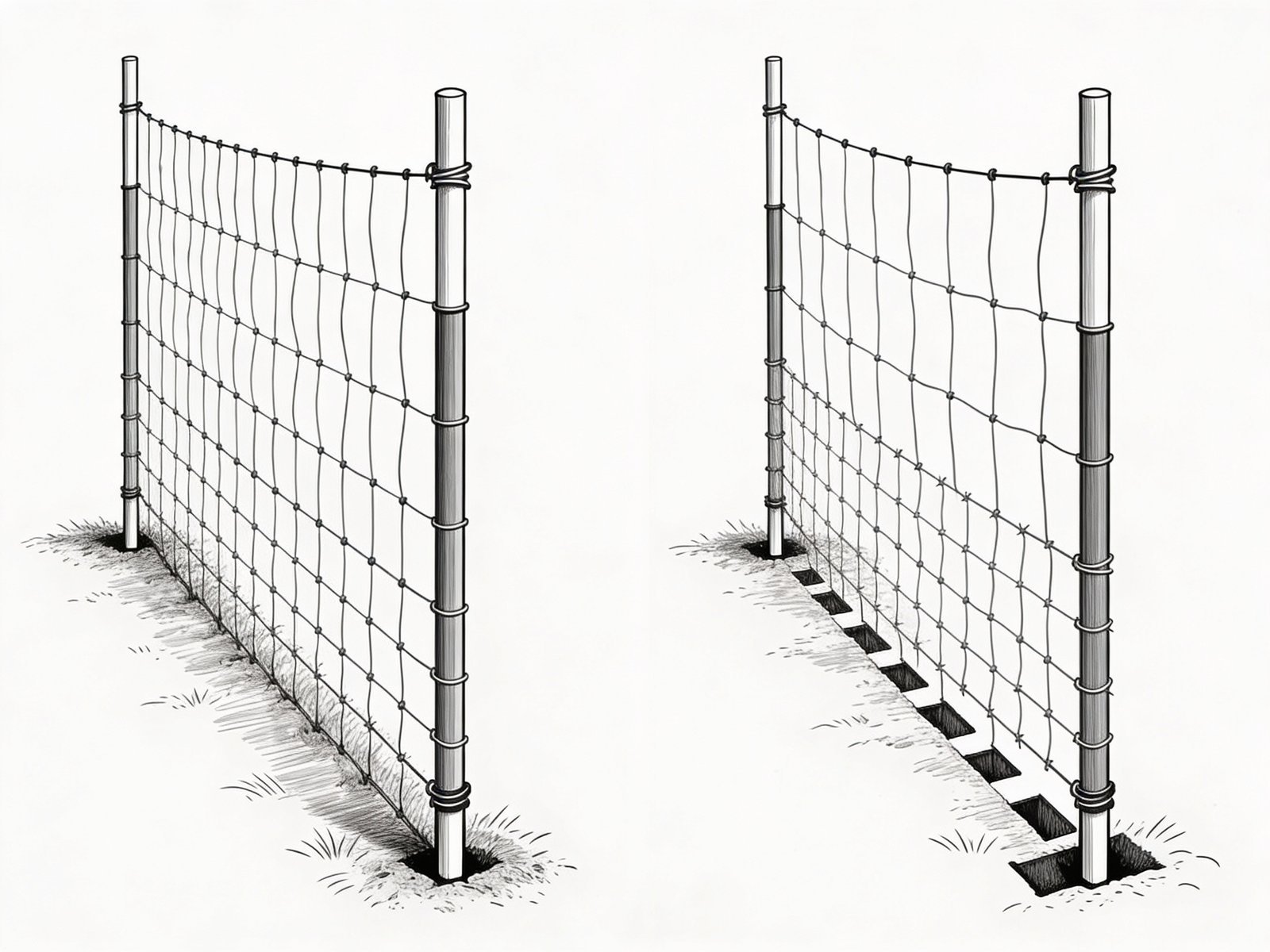
Portable fencing is highly sensitive to ground conditions. Soft soil, uneven pasture, or heavy vegetation can prevent proper post seating and bottom contact. These conditions increase the likelihood of chickens slipping under the fence or electric lines losing effectiveness. Shorter moves, careful leveling, and frequent adjustments significantly improve success rates.
When This Works Well
- Chickens are rotated frequently to fresh ground
- Electric poultry netting is properly powered
- Ground is relatively level and vegetation controlled
- Birds have secure nighttime housing
- Fence is inspected daily
When This Is Not Recommended
- Predator pressure is consistently high
- Fence is left unattended for long periods
- Ground conditions prevent good bottom contact
- Chickens are extremely flighty or newly introduced
- Portable fencing is expected to replace permanent perimeter fencing
Alternatives or Better Options
Permanent Perimeter with Portable Interior Fencing
A fixed outer fence combined with movable interior fencing offers flexibility with better security.
Semi-Permanent Paddock Systems
Using lightweight but anchored fencing balances movement and durability.
Fully Enclosed Chicken Tractors
Mobile housing provides maximum containment with reduced predator risk.
Cost, Safety, and Practical Notes
Portable fencing generally costs less upfront than permanent fencing, but it shifts cost toward labor and management. Daily checks, vegetation control, and power maintenance are non-negotiable. Safety improves when portable systems are paired with secure coops at night, reducing reliance on fencing alone. Practically, portable fencing rewards attentive management and penalizes neglect quickly. For producers willing to stay engaged, it offers unmatched flexibility; for those seeking a set-it-and-forget-it solution, it often leads to disappointment.
Video Demonstration
This video shows how portable poultry fencing is installed, powered, and adjusted in real-world chicken rotation systems.
Quick Takeaway
Portable fencing can keep chickens contained when used as an active management tool—not as a permanent substitute for strong perimeter fencing.