Short Answer
The most common problems with portable electric fences are low voltage, poor grounding, inadequate fence visibility, insufficient tension, and animal pressure exceeding fence design. These issues usually stem from setup shortcuts, weak energizers, or mismatches between livestock behavior and fence configuration rather than from the fencing concept itself.
Why This Question Matters
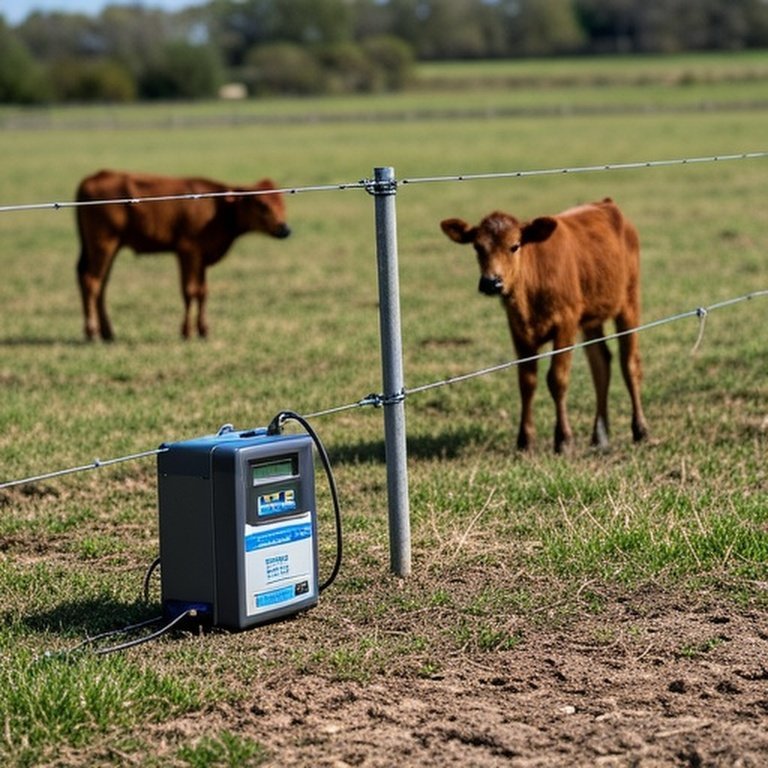
Portable electric fencing is designed to save time and increase flexibility, but small mistakes can cause fast failures. When a temporary fence stops working, livestock escape, grazing plans collapse, and confidence in electric fencing drops. This question matters because most failures are predictable and preventable. Understanding the most common problems helps producers fix issues quickly, avoid repeating mistakes, and decide whether a portable system is appropriate for their livestock, terrain, and management style.
Key Factors to Consider
- Fence voltage consistency across the entire line
- Grounding quality and soil conditions
- Fence visibility to livestock
- Strand height and tension
- Animal training and stocking pressure
Detailed Explanation
Most portable electric fence problems trace back to voltage loss. Lightweight systems rely on strong voltage to compensate for minimal physical resistance. Weak energizers, drained batteries, or poor grounding reduce shock intensity, causing animals to test or ignore the fence. Once livestock learn the fence is weak, respect disappears quickly.
Another major issue is poor grounding, especially in dry or frozen soil. Portable setups often use short or insufficient ground rods, which limits current return. Even a powerful energizer cannot perform without an effective ground system. Grounding problems are frequently misdiagnosed as charger failures.
Visibility problems are also common. Thin polywire without flags or tape can be hard for animals—especially young or fast-moving livestock—to see. Accidental contact leads to panic, fence breakage, or learned fence-challenging behavior. Better visibility often reduces the need for additional strands.
Improper tension and post spacing cause wires to sag or move excessively. Portable posts placed too far apart allow animals to push the wire without feeling consistent resistance. Sagging wires also create gaps underneath or between strands, inviting escapes.
Finally, many issues occur when animal pressure exceeds fence design. Hungry livestock, overcrowding, long grazing periods, or unfamiliar animals increase fence testing. Portable fencing works best when animals are calm, well-fed, and moved frequently. When management pressure increases, failure rates rise—even if the fence is technically installed correctly.
By this point, it should be clear that portable electric fences usually fail due to setup and management mismatches, not because the system itself is flawed.
Video Demonstration
How Cattle Behavior Affects This Choice
Cattle behavior strongly influences portable fence performance. Trained cattle that associate electric fencing with immediate discomfort rarely challenge even a simple setup. However, untrained cattle or animals moved from physical fencing often test boundaries. Stress, hunger, or competition increases fence pressure dramatically. Portable systems rely on cooperation from livestock behavior; when animals are motivated to escape, lightweight fencing exposes its limits quickly.
Calves vs Mature Cattle Considerations
Calves are a frequent source of portable fence problems. Their smaller size allows them to slip under poorly placed wires, and their curiosity increases accidental contact. Once calves break through, adult cattle often follow. Mature cattle are easier to contain but still require correct wire height and voltage. Mixed-age groups should always be fenced to calf standards to prevent repeated failures.
Terrain, Visibility, and Pressure Zones
Uneven ground creates gaps under wires that animals quickly exploit. Portable posts may not adjust well to dips and rises, especially on slopes. High-pressure areas—corners, water points, mineral locations, and gateways—are common failure zones. These areas often need extra posts, better grounding, or additional strands even when the rest of the fence performs well.
When This Works Well
- Rotational grazing with frequent moves
- Trained livestock accustomed to electric fencing
- Flat or gently rolling terrain
- Adequate forage availability
- Low stocking density and short grazing periods
When This Is Not Recommended
- Untrained or newly introduced livestock
- High-pressure confinement situations
- Long-term static paddocks
- Rough, rocky, or highly uneven terrain
- Poor access to reliable power or grounding
Alternatives or Better Options
In areas with repeated failures, semi-permanent electric fencing provides better durability while retaining flexibility. For perimeter control, combining permanent fencing with portable internal divisions often delivers the best results. Another option is upgrading visibility—using polytape instead of polywire—before increasing strand count or energizer size. Sometimes improving management reduces the need for stronger fencing.
Cost, Safety, and Practical Notes
Portable fencing is cost-effective but management-intensive. Lower material costs trade off against higher monitoring needs. Regular voltage checks, battery maintenance, and visual inspections are essential. From a safety perspective, portable electric fences remain safe for livestock and people due to low amperage shocks. Practically, most problems can be avoided by prioritizing voltage, grounding, and visibility over adding more wires or posts.
Quick Takeaway
Most portable electric fence problems come from low voltage, poor grounding, and behavioral pressure, not from the fencing system itself. Fix the fundamentals before adding complexity.