Short Answer
The proper way to stretch woven wire fence is to secure one end to a solid brace post, use a stretcher bar and come-along (or tractor-mounted stretcher) to apply even tension across the entire height, and tighten until the vertical stays are straight and the horizontal wires are firm without distorting the mesh pattern.
Why This Question Matters
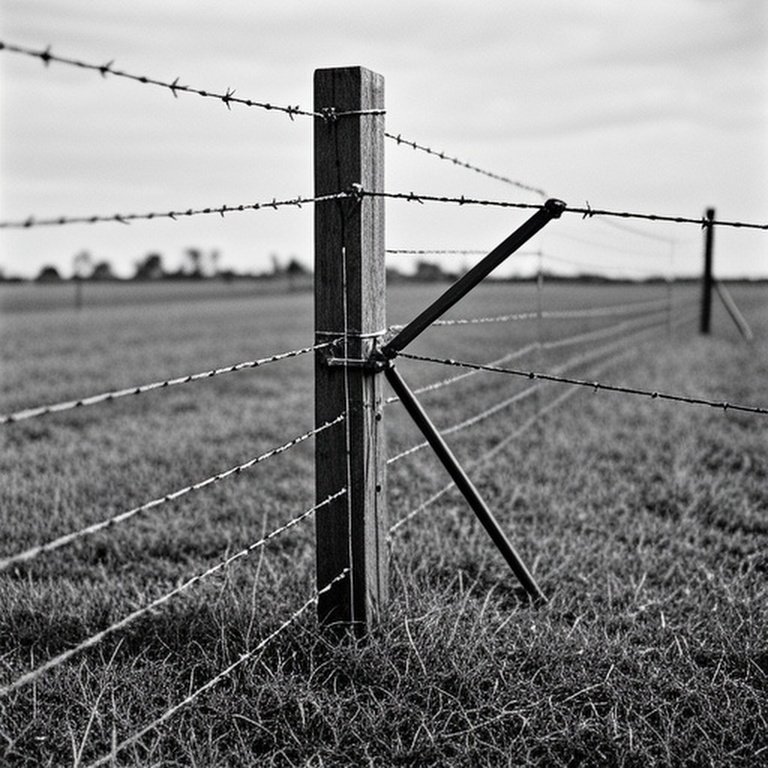
Woven wire fencing depends on uniform tension across both horizontal line wires and vertical stays. If it is not stretched correctly, the mesh can warp, sag, or lose its structural integrity. Poor tension leads to livestock pushing through weak spots, bottom gaps forming over time, and increased maintenance costs.
Unlike high-tensile smooth wire, woven wire must be tightened evenly from top to bottom. Pulling unevenly can stretch upper wires more than lower ones, permanently deforming the mesh. Once warped, it cannot be corrected without replacing the section.
Correct stretching ensures long-term durability, proper animal containment, and resistance to weather and ground movement. Doing it right the first time prevents structural imbalance and premature failure.
Key Factors to Consider
- Brace assemblies must be strong before applying tension
- Tension must be applied evenly across full fence height
- Avoid over-tightening that distorts vertical stays
- Terrain slope affects bottom wire alignment
- Livestock type influences final firmness level
Detailed Explanation
The proper process begins with a solid brace assembly. An H-brace or properly anchored corner post is critical because woven wire creates significant pull force. If the brace is weak, tightening the fence will shift posts rather than tension the wire.
Attach one end of the woven wire roll securely to the brace post using staples or tie wires. On the opposite end, attach a stretcher bar vertically across the entire height of the mesh. This ensures all horizontal wires are pulled evenly. Connect the stretcher bar to a come-along, chain hoist, or tractor-mounted fence stretcher.
Apply tension slowly and evenly. Watch the vertical stays as you pull. When properly stretched, the vertical wires become straight and the horizontal wires are firm without bending the mesh pattern. The fence should be tight enough to prevent sagging but not so tight that the knots distort or the mesh narrows unevenly.
After reaching proper tension, staple or fasten the wire to the line posts while tension is maintained. Release tension gradually after securing. Proper stretching results in a straight, uniform fence line with consistent spacing from top to bottom.
How Cattle Behavior Affects Tension Needs
Cattle lean and push against fences more than smaller livestock. For cattle fencing, woven wire should be stretched firmly to prevent bowing under pressure.
However, excessive tightness is unnecessary if post spacing is correct. Structural support matters more than extreme tension.
Calves vs Mature Cattle Considerations
Calves often test the bottom portion of the fence. Ensuring the lower wires are fully tensioned reduces the risk of crawling under.
Mature cattle apply body weight at mid-height. Balanced tension across all wires prevents localized weak spots.
Terrain, Visibility, and Pressure Zones
Uneven terrain creates variable ground clearance. When stretching woven wire on slopes, ensure the bottom wire follows ground contours without creating excessive strain at high points.
High-pressure areas like feeding zones or corners may benefit from reduced post spacing instead of additional tension.
When This Works Well
- Strong brace posts are properly installed
- Stretcher bar spans full fence height
- Tension is applied gradually and evenly
- Post spacing is appropriate for livestock
When This Is Not Recommended
- Brace assemblies are weak or unstable
- Tension is applied only at top wires
- Mesh begins to visibly distort
- Posts are set in soft or waterlogged soil
Alternatives or Better Options
High-Tensile Smooth Wire Fence
Requires fewer posts and relies on higher tension, but lacks full mesh containment.
Welded Wire Panels
Provide rigid structure without stretching but are more expensive for long runs.
Combination Systems (Woven + Electric Offset)
Adding an electric strand reduces livestock pressure and lowers required tension stress.
Cost, Safety, and Practical Notes
Woven wire requires more labor than smooth wire due to full-height tensioning. Investing in a proper stretcher bar and quality come-along prevents uneven pulling and mesh damage.
Never stand directly behind the stretcher during tensioning. Woven wire stores significant energy, and failed knots or chains can recoil dangerously.
Proper stretching reduces long-term maintenance, prevents sagging, and extends fence lifespan.
Quick Takeaway
Stretch woven wire fence using a full-height stretcher bar and steady, even tension until vertical stays are straight and the mesh remains uniform. Strong braces and balanced pulling are more important than extreme tightness.