Short Answer
Electric fences are safe for animals and humans when they operate between 4,000 and 10,000 volts, because they deliver very high voltage at extremely low amperage in short pulses. The shock is designed to be startling and memorable, not injurious. Safety depends far more on pulse duration, amperage, and grounding than on voltage alone.
Why This Question Matters
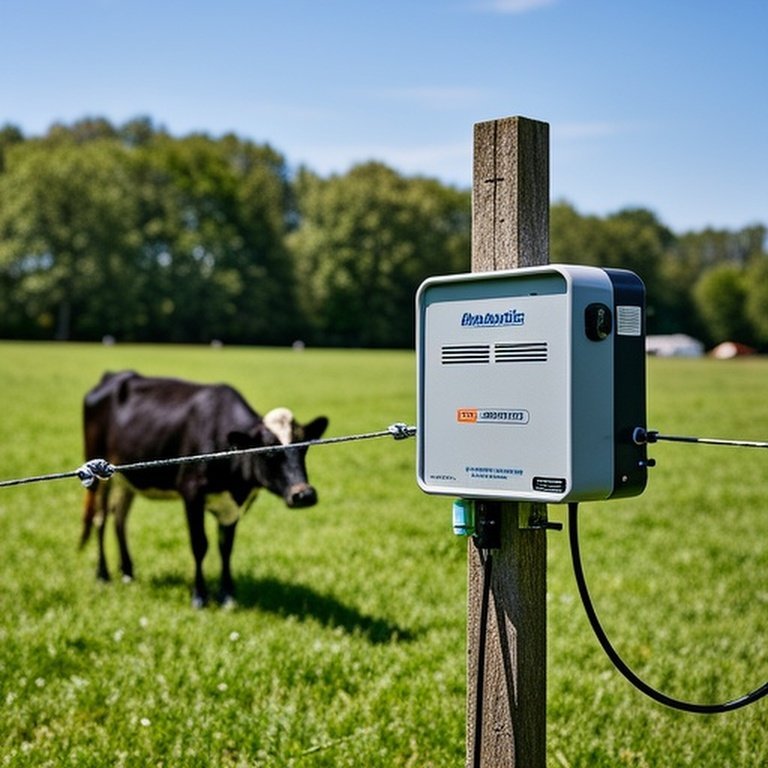
Voltage numbers on electric fences sound alarming, especially to people unfamiliar with how these systems work. Many assume that higher voltage automatically means higher danger, which leads to underpowered fences that fail to contain livestock. On the other hand, some worry about children, pets, or accidental contact. Understanding what voltage is actually safe helps balance effectiveness with responsibility. It also prevents costly mistakes, such as reducing voltage to “be safe” and unintentionally creating a fence that animals no longer respect. This question sits at the intersection of safety, performance, and liability.
Key Factors to Consider
- Amperage, not voltage, determines injury risk
- Electric fences deliver short, intermittent pulses, not continuous current
- Grounding quality affects shock feel and consistency
- Animal size and hide thickness influence perceived shock intensity
- Modern energizers are designed to meet strict safety standards
Detailed Explanation
Electric fences rely on high voltage to overcome resistance such as hair, hide, or dry soil, but they deliver that voltage in extremely short pulses with very low amperage. This combination creates a sharp, uncomfortable shock without allowing enough current flow to cause tissue damage or sustained muscle contraction. In practical terms, the shock is designed to surprise and discourage, not to injure.
This is why voltage alone is a misleading measure of danger. Household electrical systems operate at much lower voltage but far higher amperage and continuous current, which is what makes them dangerous. Electric fence energizers, by contrast, are engineered specifically to limit energy output per pulse. Even fences measuring 8,000–10,000 volts remain safe when functioning as designed.
For livestock, higher voltage often improves safety rather than reducing it. A strong, immediate shock causes animals to retreat instantly, minimizing prolonged contact or panic-driven pushing. Weak fences can be more dangerous because animals linger, lean, or become entangled while testing the wire. For humans, accidental contact is painful and startling but not harmful for healthy individuals. The pulse nature of the shock prevents continuous exposure.
Safety concerns typically arise not from voltage level but from improper installation—such as faulty grounding, damaged insulators, or non-compliant energizers. Modern, certified energizers include built-in safeguards to ensure pulses remain within safe energy limits. When installed and maintained correctly, electric fences are among the safest livestock containment systems available.
How Cattle Behavior Affects This Choice
Cattle respond best to clear, consistent feedback. Higher voltage within safe limits creates an immediate deterrent that prevents hesitation or testing behavior. When voltage is too low, cattle may pause, lean forward, or step again, increasing the chance of prolonged contact. This not only reduces effectiveness but can cause stress or confusion. A strong, brief shock encourages instant retreat, which is safer for both the animal and the fence system. In this way, adequate voltage improves behavioral safety rather than increasing risk.
Calves vs. Mature Cattle Considerations
Calves are more sensitive to electric shock and often respond to lower voltages. However, fences must be designed for mature cattle, not just young animals. Adult cattle have thicker hides, greater mass, and more confidence, which reduces perceived shock intensity. Using voltage that is safe but strong enough for mature animals ensures consistent behavior across all ages. Designing only for calves often leads to failures later, when voltage that once seemed “safe” becomes ineffective.
Terrain, Visibility, and Pressure Zones
In high-pressure areas such as corners, gates, feeding zones, and water access points, animals may contact the fence unintentionally. In these situations, a strong but brief shock is safer than a weak one. Adequate voltage ensures animals bounce back immediately instead of pushing forward. Poor visibility or uneven terrain increases accidental contact, making consistent voltage especially important for preventing entanglement or fence damage.
When This Works Well
- Modern, certified energizers are used
- Grounding systems are properly installed
- Fence voltage is consistent along the entire line
- Animals are trained to electric fencing
- Fence pulses remain intermittent and controlled
When This Is Not Recommended
- Non-certified or modified energizers are used
- Continuous current systems replace pulsed energizers
- Grounding is shared with household electrical systems
- Fence damage causes exposed live components
- Safety standards or local regulations are ignored
Alternatives or Better Options
Instead of lowering voltage to feel “safer,” improving grounding, fence visibility, and layout often delivers better results. Adding more ground rods, improving soil contact, or increasing wire visibility can reduce shock frequency while maintaining effectiveness. In sensitive areas, combining electric fencing with physical barriers can reduce accidental contact without sacrificing containment. These approaches enhance safety through design rather than voltage reduction.
Cost, Safety, and Practical Notes
Running an electric fence at safe but effective voltage often reduces long-term costs by preventing escapes, fence damage, and repeated repairs. From a liability standpoint, fences that fail due to low voltage can pose greater risk than properly functioning systems. Modern energizers are engineered to meet safety regulations that limit energy per pulse, making them safe for animals and humans alike. The most common safety issues arise from improper installation, poor grounding, or neglected maintenance—not from operating within recommended voltage ranges.
Understanding Voltage vs Amperage Safety
Quick Takeaway
Electric fences are safe when they use high voltage with very low amperage in short pulses. Operating within recommended voltage ranges improves containment and animal behavior without increasing risk to livestock or humans.