Short Answer
Cross fencing can be either permanent or temporary, but for most rotational grazing systems, temporary electric cross fencing offers greater flexibility and lower cost, while permanent cross fencing provides durability and reduced daily labor. The right choice depends on herd size, management intensity, terrain, and long-term grazing goals.
Why This Question Matters
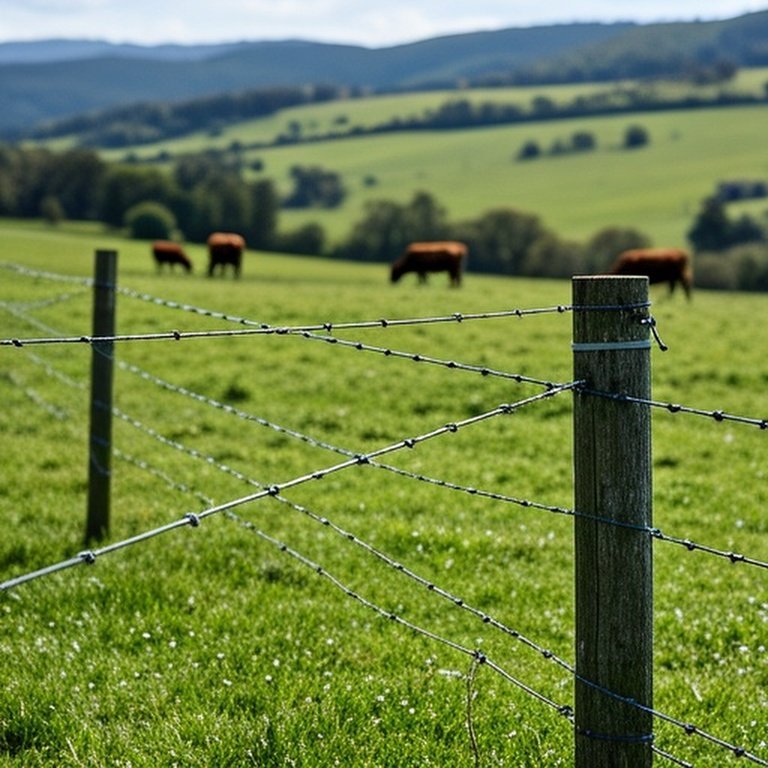
Cross fencing directly affects how efficiently you manage pasture, control grazing pressure, and respond to seasonal forage changes. Choosing the wrong type can lock you into an inflexible layout or create unnecessary expense.
Permanent fencing requires higher upfront investment but offers stability and low maintenance once installed. Temporary fencing allows quick adjustments and adaptive grazing strategies but requires more hands-on management. Since cross fencing shapes paddock size, movement patterns, and forage recovery time, this decision influences long-term productivity, labor demands, and future expansion potential.
In short, the choice is not just about materials—it is about management style.
Key Factors to Consider
- Frequency of livestock movement between paddocks
- Long-term grazing strategy vs experimental layout
- Budget for posts, wire, and energizers
- Terrain obstacles and soil stability
- Future herd expansion or subdivision plans
Detailed Explanation
Temporary cross fencing, typically using single or multi-strand electric wire, is widely used in rotational grazing systems. Its biggest advantage is flexibility. You can resize paddocks weekly, adjust for forage growth, or shift layout as herd size changes. This adaptability supports pasture recovery and prevents overgrazing during fast growth periods.
Permanent cross fencing, often built with high-tensile wire or woven wire, creates fixed paddocks. It reduces setup time for each move and provides reliable containment. This approach works well when the farm has settled into a stable grazing rhythm and paddock sizes rarely change.
However, permanent fencing limits experimentation. If you later decide to shorten grazing intervals or increase rest periods, redesigning permanent lines becomes costly. Temporary fencing allows you to test rotation systems before committing infrastructure.
Labor also plays a role. Temporary fencing requires regular setup and monitoring, especially when shifting divisions frequently. Permanent cross fencing lowers daily labor but increases installation time and capital expense.
Most progressive grazing systems combine both approaches: permanent perimeter fencing with temporary interior cross fencing. This structure protects boundaries while preserving flexibility inside.
How Cattle Behavior Affects This Choice
Cattle adapt quickly to electric temporary fencing once trained. In well-managed herds, single-wire temporary cross fencing is often sufficient. However, poorly trained animals may test lightweight systems, increasing the risk of breaches.
Permanent fencing can provide stronger visual and physical barriers, which may be beneficial for high-pressure herds or operations with inconsistent supervision.
Calves vs Mature Cattle Considerations
Calves may require additional strands or closer wire spacing when using temporary fencing. Mature cattle generally respect a properly energized single wire.
If managing mixed-age herds, ensure temporary fencing maintains adequate voltage and visibility. Permanent fencing may reduce risk where calf containment is critical.
Terrain, Visibility, and Pressure Zones
Rocky or uneven terrain may complicate permanent post installation. Temporary fencing adapts more easily to irregular ground and seasonal changes.
High-traffic areas near water or lanes benefit from stronger infrastructure. In such zones, permanent fencing may withstand pressure better than lightweight systems.
When This Works Well
- Farms implementing adaptive rotational grazing
- Operations experimenting with paddock size
- Producers prioritizing low upfront costs
- Properties with changing herd sizes
- Land with irregular terrain requiring flexibility
When This Is Not Recommended
- Farms with minimal labor availability
- High-pressure herds lacking electric fence training
- Areas prone to wildlife damage
- Permanent lane systems needing durability
- Operations requiring strict physical barriers
Alternatives or Better Options
Hybrid System (Permanent Backbone + Temporary Divisions)
Install permanent cross fencing to create major paddock zones, then subdivide using temporary electric lines. This balances durability with adaptability.
Step-By-Step Transition Approach
Start with temporary fencing to test paddock layouts. Once optimal rotation timing is established, convert high-use divisions into permanent structures.
Cost / Safety / Practical Notes
Temporary fencing has lower upfront costs but may require replacement components over time. Posts, reels, and energizers must be maintained regularly.
Permanent fencing demands higher initial investment in posts and wire tensioning but reduces ongoing labor. Safety depends on proper grounding, visible wire placement, and consistent voltage maintenance.
Plan cross fencing with future expansion in mind. Even if using temporary fencing now, design anchor points for possible permanent upgrades later.
Quick Takeaway
Temporary cross fencing offers flexibility and lower cost, making it ideal for adaptive rotational grazing. Permanent cross fencing provides durability and reduced daily labor. Most effective systems combine permanent perimeters with flexible interior divisions.