Short Answer
Yes, interior cross fencing is typically lower than perimeter fencing. Perimeter fences serve as the primary security boundary and are usually built at the upper recommended height for the livestock species. Interior cross fences can often be 6–12 inches lower, especially when used for controlled rotational grazing within an already secure perimeter.
Why This Question Matters
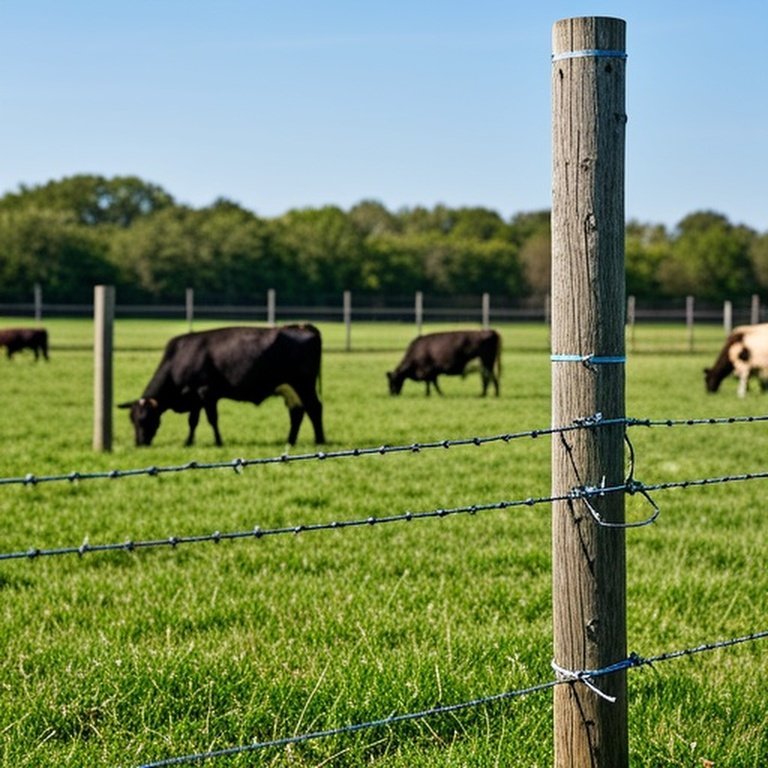
Perimeter fencing protects livestock from escape, predators, road exposure, and legal liability. Interior cross fencing, by contrast, manages grazing patterns, pasture rotation, and herd movement within a secure outer boundary. Confusing these two roles often leads to overspending on internal fencing or underbuilding the perimeter.
Key Factors to Consider
- Species behavior and jumping or leaning tendencies
- Whether perimeter fencing is already secure and reinforced
- Rotational grazing intensity and herd density
- Presence of young or high-energy animals
- Predator pressure within the region
Detailed Explanation
Perimeter fencing acts as the final containment barrier. Because it protects against escape and external threats, it should be built to the upper end of height recommendations for the livestock species. For example, cattle perimeter fences may reach 54 inches, while horse perimeters often reach 60 inches.
Interior cross fencing operates differently. Its purpose is livestock management rather than security. When animals remain within a strong perimeter system, the psychological barrier of cross fencing is usually sufficient at slightly lower heights. For cattle, interior electric cross fences may function effectively at 40–48 inches. Horses may respect interior tape fencing that is several inches lower than their perimeter fence.
However, lowering cross fencing height must not compromise control. If animals routinely push or jump internal barriers, the cost savings disappear due to repairs and labor. The difference in height should be modest—typically 6–12 inches—rather than dramatic.
Electric fencing is commonly used for cross fencing because it provides psychological deterrence with minimal material cost. Since animals already understand boundary limits from the perimeter fence, interior fencing can rely more on training and less on physical mass.
Ultimately, interior fencing can be lower—but only when the perimeter fence is strong and livestock are well-managed.
Extended Practical Considerations
How Cattle Behavior Affects This Choice
Cattle generally respect interior electric fencing once trained. They rarely jump cross fences but may lean or crowd under feed pressure. For cattle, slightly lower interior fencing works well in rotational systems, especially when using two-strand electric configurations.
If cattle are untrained or frequently pressured, cross fence height should remain close to perimeter standards.
Young vs Mature Livestock Considerations
Young animals may test interior fences more frequently. Calves can slip under poorly spaced wires. If mixed-age groups are present, interior fence spacing and height should reflect the smallest livestock.
Mature breeding animals may challenge internal barriers during rut or breeding season. In such cases, minimal height reduction is advisable.
Terrain, Visibility, and Pressure Zones
Interior fences in uneven terrain require consistent height adjustments to prevent low gaps. Sloped ground can reduce effective fence height, increasing escape risk.
High-pressure zones—near water, feed, or gates—may require reinforced or slightly taller internal fencing.
When This Works Well
- Strong, secure perimeter fencing already installed
- Livestock trained to respect electric fencing
- Rotational grazing systems with moderate stocking density
- Single-species herds with predictable behavior
- Regular monitoring and maintenance
When This Is Not Recommended
- Weak or outdated perimeter fencing
- High predator pressure requiring consistent height throughout
- Aggressive breeding animals
- Mixed livestock with significantly different containment needs
- Poorly trained animals unfamiliar with electric fencing
Alternatives or Better Options
Electric Multi-Strand Cross Fencing
Using two or three electrified strands allows lower physical height while maintaining reliable deterrence.
Temporary Step-In Post Systems
Portable electric fencing provides flexible height adjustment for rotational grazing without permanent infrastructure.
Hybrid Systems
Combining a lower electric cross fence with a reinforced perimeter reduces cost while maintaining security.
Cost / Safety / Practical Notes
Lower interior fencing reduces material cost, post length requirements, and installation labor. Electric cross fencing is significantly more economical than full woven wire systems. However, reduced height must not compromise control during peak behavioral pressure.
Safety remains important. Overly low wires increase entanglement risk, particularly for horses. Consistent spacing and proper tensioning prevent sagging that effectively lowers fence height further.
From a long-term planning perspective, invest heavily in perimeter fencing and design interior fencing for efficiency and adaptability.
Quick Takeaway
Interior cross fencing is typically lower than perimeter fencing because it serves a management role rather than a security role. A modest height reduction—usually 6–12 inches—works well when the perimeter fence is strong and livestock are properly trained.