Short Answer
To stop pigs from rooting under fences, use a low hot electric wire placed close to ground level and maintain consistent voltage. Pigs root with their snouts, so a properly positioned electric deterrent prevents digging before it starts. Physical barriers alone rarely work without electric reinforcement.
Why This Question Matters
Rooting under fences is one of the most common and expensive pig containment problems. Many pig owners start with solid panels or buried wire, assuming strength alone will stop digging. In reality, pigs quickly undermine rigid fences, creating gaps that grow larger with each attempt. Once pigs succeed, they repeat the behavior, leading to escapes, damaged pasture, and constant repairs. This question usually comes up after someone has already “built it right” and still failed. Understanding how to stop rooting early prevents long-term fence failure and repeated labor costs.
Key Factors to Consider
- Rooting begins at the snout, not the feet or body
- Ground-level deterrence matters more than fence height
- Consistent shock prevents repeated testing behavior
- Soil type affects how easily pigs dig under fences
- Fence maintenance frequency influences long-term success
Detailed Explanation
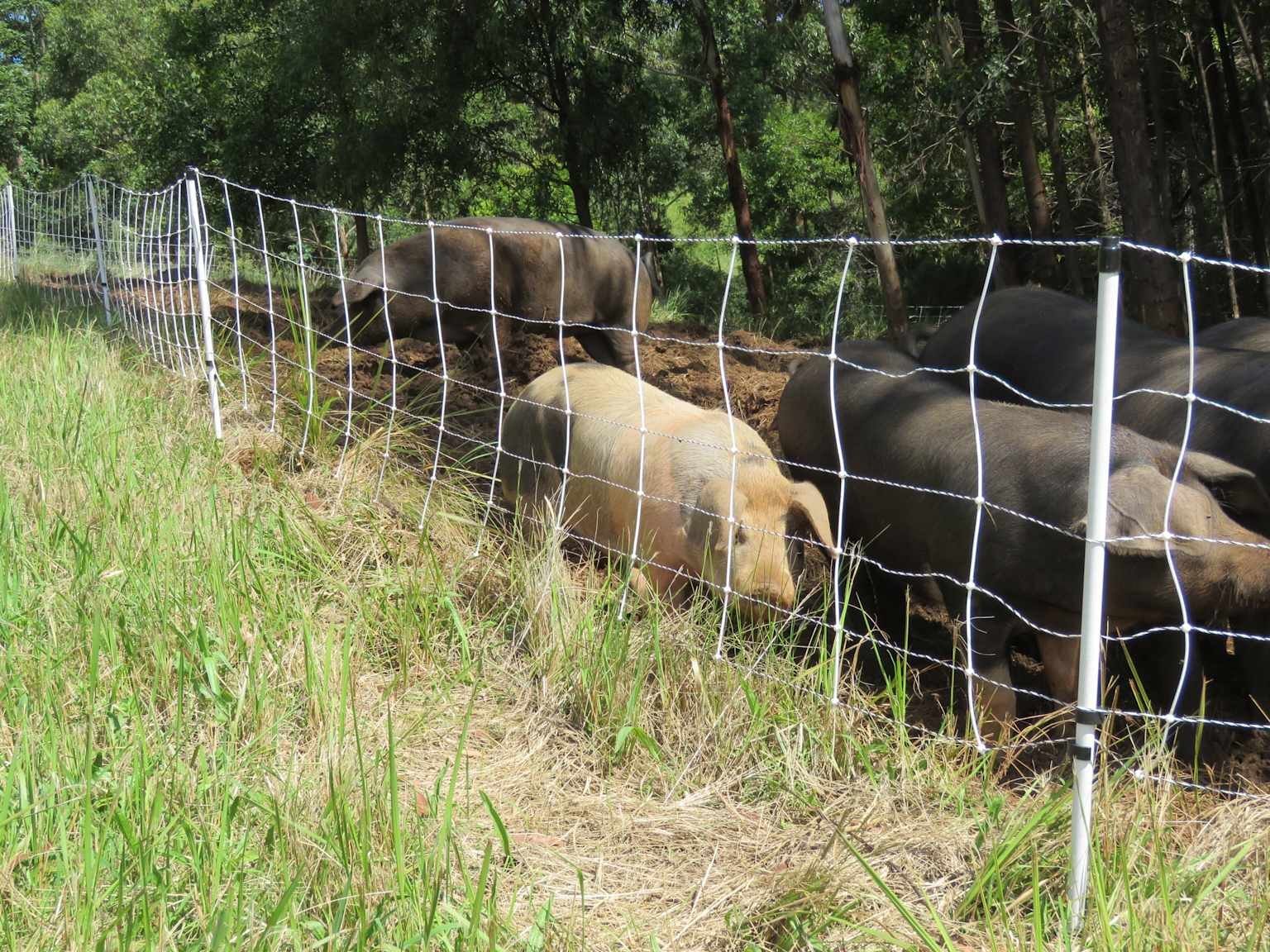
Pigs root under fences because digging is a natural and powerful behavior driven by their snout. When pigs encounter a fence with no immediate consequence at ground level, they instinctively dig. Physical barriers such as panels, wire mesh, or buried fencing slow this process but rarely stop it. Over time, pigs loosen soil, expose edges, and create tunnels that allow escape.
Electric deterrence works because it interrupts rooting at the moment it begins. A hot wire placed close to the ground delivers a shock directly to the pig’s snout before significant digging occurs. This creates a strong negative association that prevents pigs from continuing the behavior. Unlike physical barriers, electric deterrence does not rely on resisting force—it changes behavior.
Consistency is critical. A ground wire that occasionally loses voltage teaches pigs to keep trying. Once pigs learn that digging sometimes works, rooting becomes habitual. This is why many fences fail after rain, vegetation growth, or grounding issues reduce shock strength. Reliable voltage ensures that every rooting attempt has the same result.
Stopping rooting is not about burying fences deeper or adding heavier materials. It is about preventing the first successful dig. Electric fencing shifts the problem from structural resistance to behavioral prevention. When pigs learn that the fence line is uncomfortable at ground level, they stop digging altogether, protecting both the fence and the surrounding land.
Why Ground-Level Deterrence Matters
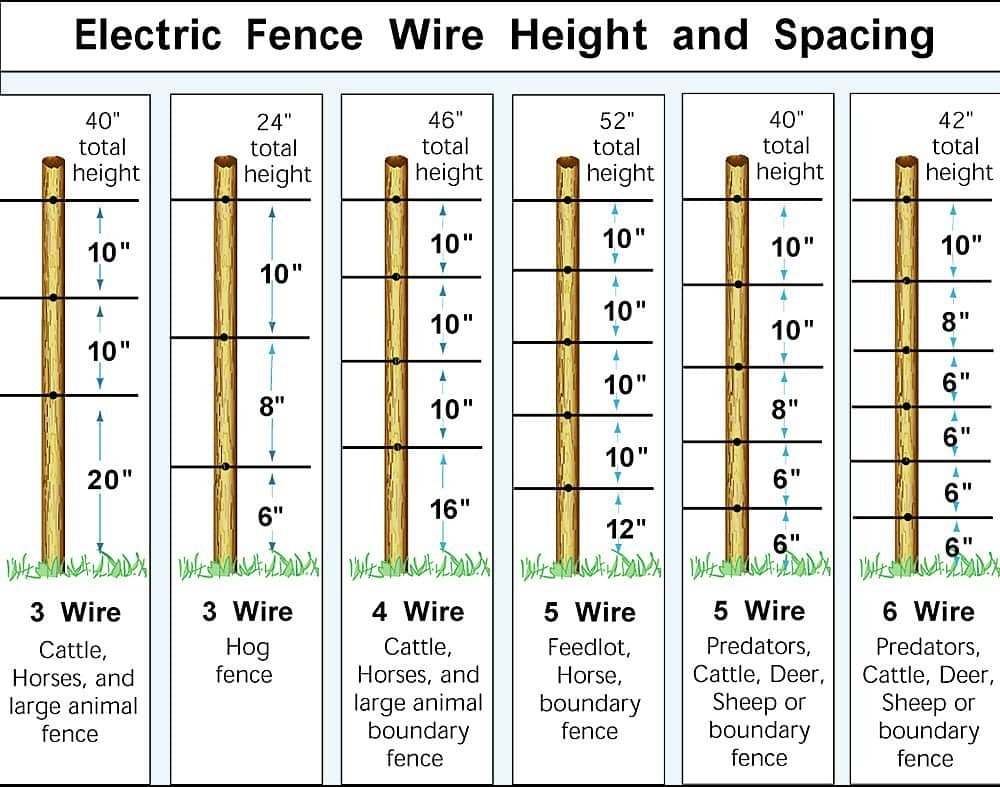
Rooting behavior always starts at the surface. Pigs do not dig randomly; they probe fence lines where soil is loose or edges are exposed. This makes ground-level deterrence far more effective than reinforcing the fence above ground. A single hot wire positioned just inches above the soil creates an immediate boundary pigs learn to avoid.
Physical barriers buried underground often fail because pigs gradually expose them. Rain, erosion, and repeated pressure accelerate this process. Once exposed, pigs exploit the weakness. Electric deterrence prevents this cycle entirely by stopping contact before soil displacement begins.
Ground-level electric wires also adapt better to uneven terrain. Unlike rigid fencing, they continue to work even when soil shifts. This flexibility is especially important in wet or soft ground where rooting damage spreads quickly.
When This Works Well
- Electric wire is positioned close enough to contact the pig’s snout
- Voltage remains strong and consistent along the entire fence line
- Pigs are trained early and prevented from initial digging success
- Soil conditions allow effective grounding
- Fence lines are checked regularly for vegetation interference
When This Is Not Recommended
- Electric fencing is poorly grounded or underpowered
- Vegetation frequently shorts out the lower wire
- Pigs are introduced to the fence after successful escapes
- Ground is extremely rocky, limiting proper wire placement
- Fence maintenance is infrequent or inconsistent
Alternatives or Better Options
Electric Wire with Hog Panels
Panels provide visual boundaries while the hot wire stops rooting. Useful where pigs are already accustomed to pushing fences.
Buried Aprons with Electric Offset
A short buried wire apron combined with a low hot wire adds redundancy in high-pressure areas.
Concrete or Permanent Footings
Rarely needed, but used in high-risk locations such as near roads or property boundaries.
Cost / Safety / Practical Notes
Preventing rooting is cheaper than repairing damage. A single properly placed electric wire often costs far less than repeated panel replacement or land restoration. The most common mistake is underspending on energizers or grounding systems, which reduces shock strength.
From a safety standpoint, ground-level wires must be clearly marked and properly insulated at gates. Regular voltage testing is essential, especially after rain or vegetation growth.
In practical terms, electric deterrence reduces labor. Instead of reinforcing soil and structures repeatedly, operators focus on maintaining voltage and clearing fence lines. Over time, this approach lowers both physical effort and material costs while keeping pigs reliably contained.
Video Demonstration
This video shows real-world examples of pigs rooting behavior and how ground-level electric wires stop it effectively.