
Short Answer
Welded wire mesh fencing typically costs $2.50–$6.00 per foot installed, depending on wire gauge, coating, post spacing, terrain, and labor rates. Materials alone usually range from $1.00–$3.00 per foot, while labor and posts account for the rest. Costs rise quickly in high-pressure zones or uneven ground.
Why This Question Matters
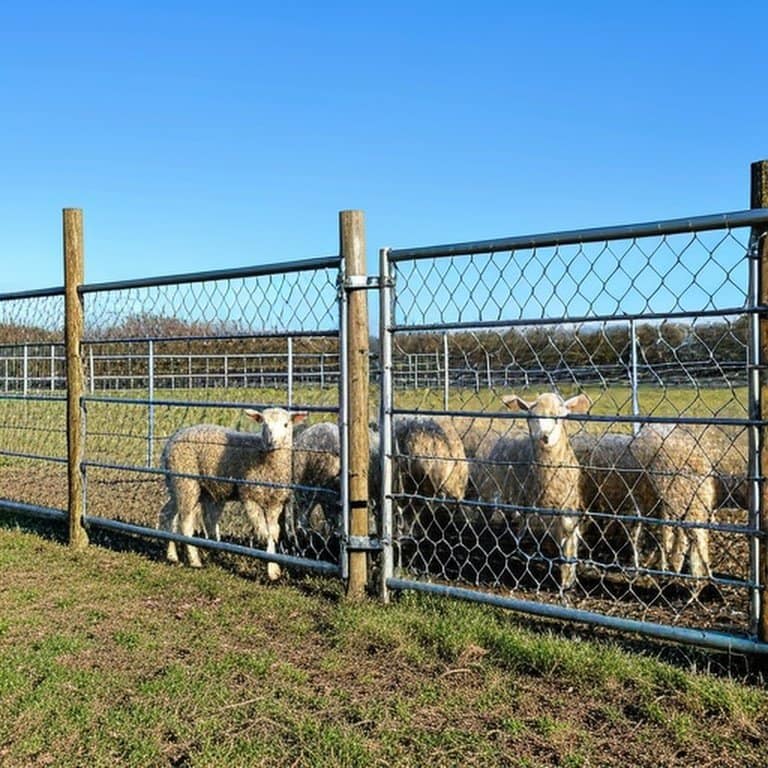
Fence cost per foot is often underestimated because many owners focus only on mesh price, not total installed cost. With welded wire mesh, installation quality directly affects lifespan, which means labor, posts, and layout decisions can matter more than the wire itself. A fence that looks affordable on paper can become expensive if it requires frequent repairs or early replacement. This question matters because realistic cost expectations help avoid underbuilding, budget overruns, and choosing welded mesh for applications where it becomes the most expensive option long-term.
Key Factors to Consider
- Wire gauge, opening size, and galvanization method
- Post type, spacing, and corner bracing requirements
- Terrain difficulty and ground preparation needs
- Labor rates and installation method
- Fence role: perimeter, interior, or pen use
Detailed Explanation
Material cost is only one part of welded wire mesh fencing. Mesh price varies widely based on gauge and coating. Light-gauge, basic galvanized mesh may cost close to the lower end of the range, while heavy-gauge, galvanized-after-weld mesh sits at the higher end. Smaller opening sizes also increase material cost due to higher steel content.
Posts significantly influence total cost. Welded wire mesh requires closer post spacing than flexible fencing, often every 6–8 feet. This increases the number of posts, hardware, and installation time per foot. Corners and gates must be well braced because welded mesh does not flex, adding additional material and labor expenses.
Labor costs often exceed mesh cost in professional installations. Precise alignment, consistent tension, and secure fastening are critical. Uneven terrain, rocky soil, or existing fence removal can raise labor rates sharply. DIY installations reduce cash outlay but increase time investment and risk of premature failure if done incorrectly.
The short answer holds because welded wire mesh cost per foot is highly situational. In small, flat, low-pressure areas, it can be cost-effective. In long runs, perimeter fencing, or high-pressure zones, added posts and reinforcement often make it more expensive than woven wire or electric alternatives.
How Livestock Behavior Affects This Choice
Livestock behavior indirectly drives fencing cost by increasing structural demands. Animals that lean, rub, or crowd require heavier gauge mesh, closer post spacing, and stronger corners. Each of these increases material and labor costs per foot.
When behavior-driven pressure is underestimated, fencing often fails early, forcing repairs or replacement. This effectively doubles cost over time. Welded wire mesh becomes economical only when livestock pressure remains within predictable limits and does not require repeated reinforcement.
Young Animals vs Mature Livestock Considerations
Fencing designed for young livestock can use lighter gauge wire and wider post spacing, lowering initial cost. Welded wire mesh is often chosen for this reason in calf, lamb, or kid pens.
However, if the same fence must later contain mature animals, upgrades are common. Heavier wire, added posts, or replacement fencing can exceed the cost of building a more suitable system initially. Planning for animal growth is one of the most overlooked cost factors.
Terrain, Visibility, and Pressure Zones
Flat terrain keeps installation costs predictable. Slopes, dips, and rocky soil increase labor time and post requirements. Visibility reduces accidental impacts but does not reduce structural cost in pressure zones.
Corners, gates, and feeding areas require extra reinforcement regardless of fence length. These short sections often have the highest cost per foot and can skew overall project budgets if not planned carefully.
When This Works Well
- Small fencing projects with limited length
- Interior fencing or pens with controlled livestock movement
- Flat terrain with easy post installation
- Predator control using short fence runs
- DIY installations with proper planning
When This Is Not Recommended
- Long perimeter fencing for large herds
- High-pressure cattle environments
- Uneven or rocky terrain
- Projects with limited labor availability
- Situations requiring frequent relocation
Alternatives or Better Options
Woven wire fencing often delivers lower cost per foot over long distances due to wider post spacing and greater flexibility. High-tensile wire systems reduce material cost and labor when properly tensioned. Electric fencing offers the lowest upfront cost per foot and shifts containment from strength to behavior control. In many ranch applications, these alternatives outperform welded wire mesh economically.
Cost, Safety, and Practical Notes
Welded wire mesh has moderate upfront costs but variable lifetime value. Heavier gauges and better coatings increase material expense but reduce replacement risk. Safety benefits include predictable openings and reduced entanglement for small animals, while risks include sharp edges from damaged welds if maintenance is neglected. Practically, welded wire mesh is most cost-effective when used selectively rather than as a universal fencing solution.
Quick Takeaway
Welded wire mesh fencing typically costs $2.50–$6.00 per foot installed, but real cost depends on pressure, terrain, and design choices. It can be economical in controlled settings and expensive in high-pressure or long-run applications.