Short Answer
The most common fencing mistakes on uneven ground include setting posts at inconsistent depths, running wire straight across slopes without stepping, ignoring drainage, failing to brace corners properly, and leaving ground gaps under the fence. These errors reduce stability, weaken tension, and increase livestock escape risk over time.
Why This Question Matters
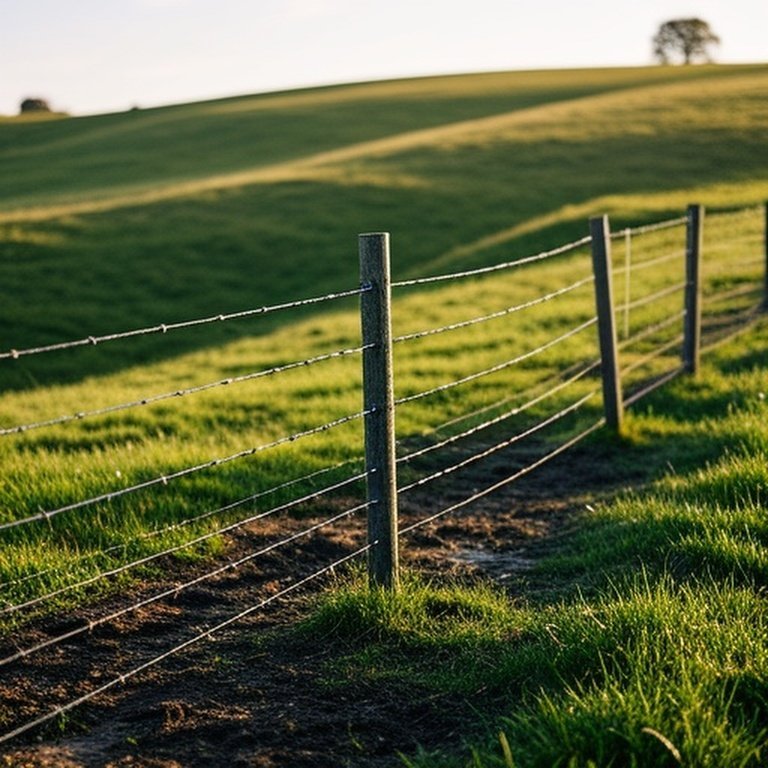
Uneven terrain adds mechanical stress to fencing systems. Slopes change wire tension, water flow, soil pressure, and post alignment. What works perfectly on flat ground can fail quickly on hills or rolling pasture.
Many fencing problems blamed on bad materials are actually installation errors caused by not adapting to terrain. Leaning posts, sagging wire, erosion under fence lines, and livestock pushing through low spots often trace back to poor layout decisions. Understanding terrain-related mistakes before installation prevents costly repairs, repeated tightening, and premature fence replacement.
Key Factors to Consider
- Post depth consistency across slope changes
- Step-down vs racked fence alignment
- Water drainage and erosion paths
- Corner and end brace reinforcement
- Ground clearance gaps under fence
Detailed Explanation
One of the biggest mistakes on uneven ground is setting posts at uniform height rather than uniform depth. On slopes, installers sometimes measure post height from the uphill side only. This leads to shallow embedment on downhill sections, which weakens structural resistance.
Another common issue is running wire straight across hills without stepping the fence line. On steeper slopes, straight-line installation creates large ground gaps beneath the wire. Livestock can crawl under, and erosion worsens over time. Stepped installation maintains consistent ground clearance.
Drainage is often overlooked. Water naturally runs downhill, concentrating along fence lines. If posts are installed in erosion channels or soft soil without compaction, they loosen quickly. Over time, this reduces tension and stability.
Corner bracing is especially critical on uneven terrain. Slopes increase lateral pull forces on wires. Without reinforced brace assemblies, tension shifts downhill, pulling posts out of alignment. Proper brace design prevents cumulative movement across long runs.
Livestock and Structural Stress
How Cattle Behavior Affects This Choice
Cattle naturally follow contour lines and low paths. If fence gaps exist at downhill sections, livestock pressure increases in those weak zones.
On slopes, animals lean into fences for stability, adding lateral stress to posts.
Calves vs Mature Cattle Considerations
Calves exploit small ground gaps created by poor stepping techniques.
Mature cattle apply more body pressure against downhill fence sections, increasing post movement risk.
Terrain, Visibility, and Pressure Zones
Uneven ground creates natural pressure points—valleys, ridge lines, and gate approaches.
Fence layout must anticipate animal traffic patterns, not just land shape.
When This Works Well
- Posts installed below frost depth with consistent embedment
- Stepped fence layout used on moderate to steep slopes
- Proper bracing at corners and elevation changes
- Drainage paths redirected away from fence line
When This Is Not Recommended
- Long straight runs across steep hills without stepping
- Shallow post depth on downhill sections
- Ignoring erosion or seasonal water flow patterns
- Minimal bracing on sloped terrain
Alternatives or Better Options
Stepped Fence Design
Instead of racking the fence, step each panel or wire section to follow terrain. This reduces ground gaps and maintains uniform height.
Terracing High-Stress Sections
On steep slopes, minor grading or terracing stabilizes soil and reduces erosion impact on posts.
Additional Brace Assemblies
Install extra brace posts at slope transitions to reduce cumulative downhill tension pull.
Cost / Safety / Practical Notes
Installing fencing on uneven terrain often increases labor time by 10–30 percent due to additional bracing and alignment adjustments. However, cutting corners leads to repeated maintenance costs.
Erosion repair, resetting leaning posts, and livestock escape incidents quickly exceed initial savings from simplified installation.
Safety is also a concern. Uneven tension increases wire snap risk during tightening. Proper alignment and bracing reduce injury hazards during installation and long-term use.
Investing in correct layout strategy during installation dramatically reduces long-term maintenance.
Quick Takeaway
Most fencing failures on uneven ground result from poor adaptation to slope and drainage. Consistent post depth, stepped installation, strong bracing, and erosion awareness prevent leaning posts, wire gaps, and livestock pressure failures.