Short Answer
The most common DIY fence installation mistakes include setting posts too shallow, skipping proper corner bracing, uneven post spacing, poor wire tensioning, and ignoring terrain adjustments. These errors often don’t show immediately—but they weaken the fence structure and lead to sagging, leaning, or early failure within a few seasons.
Why This Question Matters
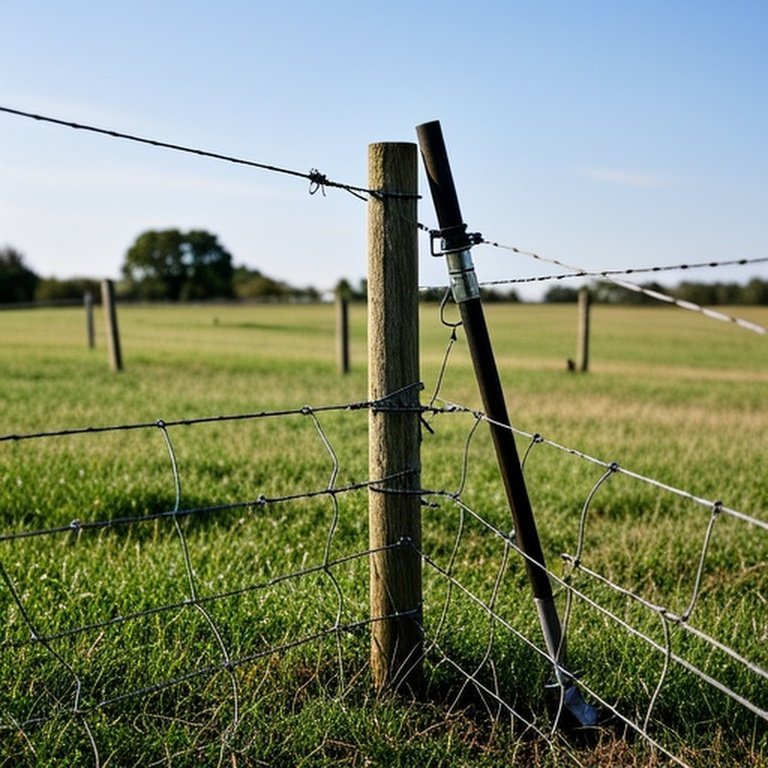
Fence failures rarely happen because of bad materials. They usually happen because of installation shortcuts. Many DIY builders focus on getting the fence up quickly instead of building it correctly. The result is a fence that looks fine on day one but begins leaning, loosening, or sagging after the first winter, livestock pressure, or heavy wind.
On farms and ranches, fence mistakes cost more than time. A failed corner brace can release hundreds of feet of wire tension. A shallow post can shift after heavy rain. Poor tensioning can allow livestock to push through or predators to slip under.
Understanding the most common mistakes before you begin allows you to build once—and build correctly—rather than repairing the same fence repeatedly.
Key Factors to Consider
- Post depth relative to fence height
- Strength and design of corner braces
- Consistent post spacing across terrain
- Proper wire stretching and anchoring
- Soil type and drainage conditions
Detailed Explanation
The number one DIY mistake is setting posts too shallow. A fence post should typically be buried at least one-third of its total length, and deeper in loose or sandy soil. Shallow posts may feel stable at first, but frost heave, livestock pressure, and wind will gradually push them out of alignment.
The second major error is skipping proper corner bracing. Corners carry the full tension load of stretched wire. Without a strong H-brace or diagonal brace system, wire tension will pull posts inward over time. Many DIY fences fail at the corners long before the line posts move.
Uneven post spacing is another common issue. Inconsistent spacing leads to weak sections and uneven tension. On slopes, failing to adjust spacing and contour alignment creates sagging wire gaps near the ground.
Poor wire tensioning also causes long-term problems. Over-tensioned wire stresses posts and connections. Under-tensioned wire sags and invites livestock pressure. Proper tension requires steady pulling, secure fastening, and balanced anchoring.
Finally, ignoring soil and drainage conditions leads to early rot or shifting. Posts installed in poorly drained areas without gravel or compaction support will loosen quickly.
Most fence problems trace back to installation—not material quality.
How Cattle Behavior Affects This Choice
Cattle apply steady pressure against fences, especially near feeding areas or gates. Weak braces or loose wire will fail quickly under this stress.
If fencing for cattle, structural mistakes become visible much sooner than in low-pressure situations.
Calves vs Mature Cattle Considerations
Calves are more likely to test gaps and push under loose wire. Improper bottom tension or large spacing increases escape risk.
Mature cattle apply stronger leaning force. Post depth and brace strength are critical.
Terrain, Visibility, and Pressure Zones
Sloped ground increases strain on posts and wire alignment. Failing to step or contour wire correctly creates weak low spots.
High-traffic zones near gates or water troughs require reinforced posts and closer spacing.
Ignoring terrain variations during installation accelerates structural wear.
When This Works Well
- Clear, level terrain
- Strong corner brace systems
- Proper post depth and compaction
- Balanced and consistent wire tension
- Planned spacing before installation
When This Is Not Recommended
- Rushed weekend installations
- Rocky or unstable soil without reinforcement
- Skipping braces to save time
- Stretching wire without proper anchors
- Ignoring livestock behavior patterns
Alternatives or Better Options
Hire Professional Help for Corner Braces Only
Installing braces correctly sets the structural foundation. DIY builders can complete line posts and wire afterward.
Use Driven Posts Instead of Dug Posts in Firm Soil
Driven posts often hold tighter in compacted ground and reduce shifting risk.
Add Electric Offset Wire
If livestock pressure is high, adding a single electric strand reduces physical stress on the fence structure.
Cost, Safety, and Practical Notes
Fixing fence mistakes often costs more than doing it correctly the first time. Replacing failed posts, resetting corners, and re-tensioning wire adds labor and material costs.
Safety is another concern. Wire under tension can snap back if improperly anchored. Leaning posts can shift suddenly during adjustment. Proper tools and controlled tensioning reduce injury risk.
Weather plays a role. Installing posts in wet soil without compaction leads to shifting once the soil dries. Freezing conditions can push shallow posts upward.
The safest and most durable approach is slow, measured installation with strong corners, correct depth, and balanced tension. Most DIY fence failures are preventable with proper planning.
Quick Takeaway
Most DIY fence failures happen because of shallow posts, weak braces, uneven spacing, and improper wire tension. Focus on strong corners, correct post depth, and steady tensioning. Build it once, build it right—and your fence will last for years without constant repair.