Short Answer
In high-rainfall areas, the best fencing systems use corrosion-resistant materials, strong drainage-friendly post installation, and tensioned wire designs. Galvanized high-tensile wire, woven wire with treated posts, and properly installed electric fencing typically perform best. The key is moisture resistance, stable post anchoring, and reduced material rot or rust.
Why This Question Matters
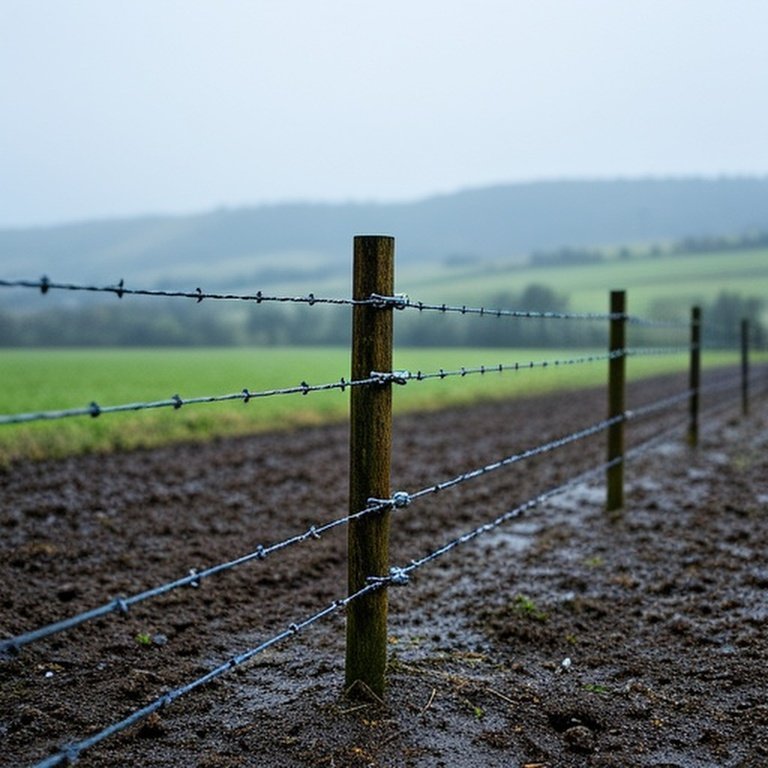
Heavy rainfall affects fencing in three major ways: soil stability, material durability, and long-term maintenance. Constant moisture weakens untreated wood, accelerates rust in low-grade steel, and reduces soil compaction around posts. Over time, this leads to leaning posts, sagging wire, broken insulators, and expensive repairs.
High-rainfall regions also often experience drainage issues, erosion, and seasonal flooding. A fence design that works well in dry climates may fail prematurely when exposed to repeated saturation. Choosing the right fencing materials and installation method from the beginning reduces maintenance cycles, prevents livestock escapes, and protects your investment over decades rather than just a few seasons.
Key Factors to Consider
- Corrosion resistance of wire and fasteners
- Pressure-treated or rot-resistant post materials
- Drainage and soil compaction around posts
- Livestock pressure in muddy conditions
- Ease of maintenance during wet seasons
Detailed Explanation
The biggest threat to fencing in high-rainfall areas is moisture accumulation. Untreated wood absorbs water, leading to rot at ground level—the most common failure point. Standard mild steel wire rusts quickly when exposed to constant humidity. Therefore, galvanized or heavily coated high-tensile wire is often the best choice because it resists corrosion and maintains tension despite environmental stress.
Post installation technique is equally important. Wet soil expands and contracts, reducing friction around posts. Simply setting posts in saturated soil leads to gradual leaning. Instead, posts should be installed deeper than standard recommendations and backfilled with compacted gravel to improve drainage and stability. Concrete may be used for structural posts, but proper drainage around the base is still essential.
High-tensile wire performs especially well in wet regions because it tolerates movement without sagging permanently. Woven wire can also perform well when properly tensioned and supported by strong corner assemblies. Electric fencing is effective as long as grounding systems are properly designed to handle moist soil conditions.
In high-rainfall environments, durability and drainage matter more than initial cost. Moisture-resistant materials and proper installation techniques prevent premature system failure.
Livestock Behavior and Wet Conditions
How Cattle Behavior Affects This Choice
In wet climates, livestock often congregate on higher or drier ground. This concentrates pressure on specific fence sections. Muddy areas also increase pushing and leaning behavior as animals seek firm footing.
Stronger corner posts and tensioned systems reduce damage caused by repeated pressure during wet seasons.
Calves vs Mature Cattle Considerations
Calves are lighter but may slip in muddy conditions, causing uneven strain on fencing. Mature cattle exert stronger force, especially when soil is unstable.
Heavier livestock require reinforced structural posts and well-anchored brace assemblies in high-moisture environments.
Terrain, Visibility, and Pressure Zones
Low-lying areas and drainage paths are high-risk zones. Flood-prone sections may require elevated fencing lines or reinforced post systems.
Planning fence lines along natural ridges or better-drained areas significantly improves long-term stability.
When This Works Well
- Galvanized high-tensile wire with deep-set posts
- Pressure-treated wood or steel posts with gravel backfill
- Proper drainage planning along fence lines
- Regular inspection after heavy rain events
When This Is Not Recommended
- Using untreated wood posts in consistently wet soil
- Installing shallow posts in soft, saturated ground
- Choosing low-grade wire prone to corrosion
- Ignoring erosion or runoff patterns near fence lines
Alternatives or Better Options
Steel Posts with High-Tensile Wire
Steel resists rot and, when galvanized, performs well in humid conditions. Combined with tensioned wire, it provides long-term durability.
Gravel-Based Post Installation Systems
Improved drainage reduces water retention around posts, slowing rot and improving structural integrity.
Elevated or Relocated Fence Lines
In flood-prone properties, shifting fence lines to slightly higher ground reduces long-term moisture exposure.
Cost / Safety / Practical Notes
High-quality galvanized wire and treated posts cost more upfront, but lower long-term maintenance expenses. Replacing rotted posts or corroded wire every few years is significantly more expensive than investing in durable materials initially.
Concrete footings increase cost but may improve stability for corner and gate posts. However, improper installation can trap water and accelerate decay if drainage is poor.
Safety considerations include slippery working conditions and trench collapse in saturated soils. Installation during drier periods is ideal when possible.
Over time, investing in moisture-resistant materials and proper drainage design consistently reduces total fencing costs in high-rainfall areas.
Quick Takeaway
In high-rainfall areas, the best fencing systems prioritize corrosion resistance, deep and well-drained post installation, and strong tensioned wire designs. Moisture management—not just fence type—determines long-term durability.