Why This Question Matters
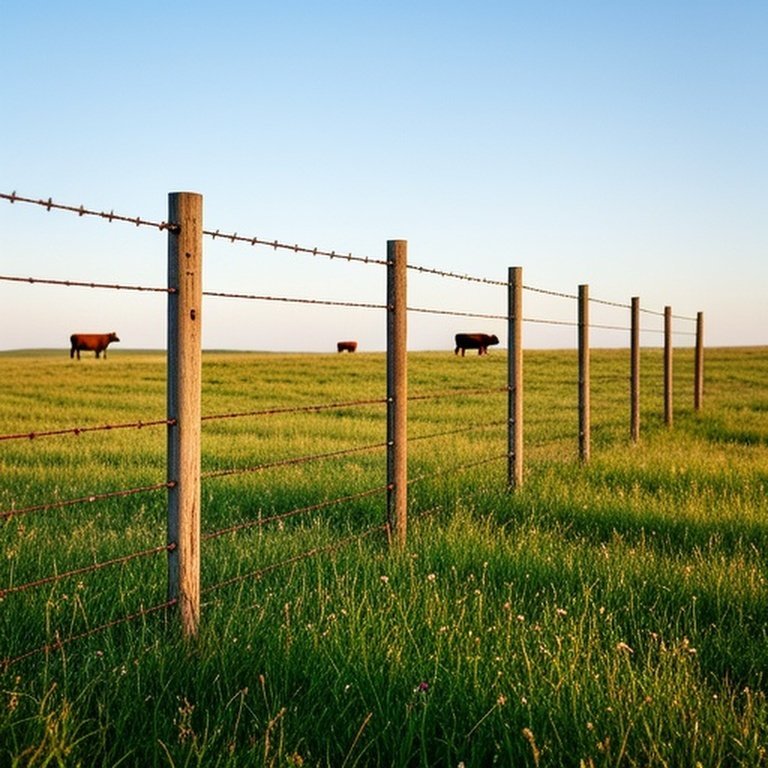
Barbed wire fencing has been used for over a century, yet it remains one of the most misunderstood fencing options today. Many landowners choose it purely based on price, without fully understanding when it is appropriate—or when it can create safety, maintenance, or animal welfare problems. Others avoid it entirely due to reputation, even in situations where it is still the most practical solution.
Understanding what barbed wire fencing actually does, how it works, and where it performs best helps you avoid poor fence investments. Choosing the wrong fence type can lead to livestock injuries, higher repair costs, or frequent fence failures that quickly erase any upfront savings.
Key Factors to Consider
- Livestock type and how animals interact with physical barriers
- Whether the fence is for perimeter control or interior division
- Terrain size, shape, and overall fence length requirements
- Budget limits versus long-term maintenance expectations
- Local regulations or safety requirements affecting fence use
Detailed Explanation
Barbed wire fencing is designed primarily as a psychological and physical deterrent. The sharp barbs discourage animals from leaning, pushing, or attempting to cross the fence, even though the wire itself is relatively thin. This makes it possible to enclose large areas using fewer materials than woven or board fencing, which is why barbed wire became standard for ranching operations with expansive land.
Its effectiveness depends heavily on animal behavior. Cattle tend to respect barbed wire once they encounter it a few times, making it suitable for mature cows on open pasture. The fence relies on avoidance rather than strength—animals learn not to challenge it. However, this same characteristic makes barbed wire less effective for animals that push, climb, or panic under pressure.
Barbed wire fencing is most often used as a perimeter fence rather than an interior or rotational fence. Perimeter fences prioritize durability, boundary definition, and cost efficiency over flexibility or frequent movement. Because barbed wire is rigid and requires tensioning, it is not designed to be moved or adjusted often.
Another important factor is maintenance style. Barbed wire fences generally require fewer repairs than high-maintenance systems like wood fencing, but when failures occur—such as broken wires or loose posts—repairs can be labor-intensive. Over time, vegetation pressure, fallen branches, and wildlife impacts also affect performance.
When used in the right context, barbed wire fencing delivers excellent long-term value. When used in the wrong context, it creates ongoing problems that outweigh its low initial cost.
Video Demonstration
How Cattle Behavior Affects This Choice
Barbed wire fencing works best with livestock that naturally avoid physical discomfort and do not challenge barriers aggressively. Mature cattle typically fall into this category. Once they experience the barbs, they learn fence boundaries quickly and rarely test them again. This behavioral respect allows barbed wire to function effectively with relatively wide post spacing and minimal reinforcement.
Problems arise when cattle are overcrowded, hungry, or under stress. High-pressure situations can cause animals to push into fences, increasing injury risk and fence damage. Barbed wire does not forgive mistakes—panicked cattle can tear skin, udders, or legs if they collide with it.
Temperament matters just as much as species. Calm herds perform well behind barbed wire, while aggressive or newly introduced cattle may require safer, more visible fencing until they are trained to respect boundaries.
Calves vs Mature Cattle Considerations
Barbed wire fencing is generally not recommended for young calves. Calves are smaller, more curious, and less aware of danger, making them more likely to slip through wires or become entangled. The spacing between strands that works for adult cattle can allow calves to escape or become injured.
Additionally, calves often run or play near fence lines, increasing the risk of cuts or infections from barbs. For operations that include calving pastures, barbed wire may need to be combined with alternative fencing or upgraded temporarily.
Many producers use barbed wire successfully once calves mature and are moved to larger grazing areas. Planning for animal age and growth stages prevents costly fence retrofits later.
Terrain, Visibility, and Pressure Zones
Barbed wire performs best on large, open terrain with clear sightlines. Flat or gently rolling land allows consistent wire height and tension, reducing weak spots. Visibility is critical—animals must clearly see the fence to respect it.
Pressure zones such as corners, gates, water access points, and slopes require additional bracing and closer post spacing. Without reinforcement, barbed wire stretches or breaks under stress. In wooded or brush-heavy areas, falling limbs and vegetation growth increase maintenance needs.
Ignoring terrain-specific pressure zones is one of the most common reasons barbed wire fences fail prematurely.
When This Works Well
- Large perimeter fencing for cattle ranches
- Mature livestock with established fence respect
- Open land with minimal human or vehicle traffic
- Projects prioritizing low upfront cost over aesthetics
- Areas where fences remain fixed long-term
When This Is Not Recommended
- Calving areas or mixed-age livestock systems
- Horses, goats, sheep, or animals prone to entanglement
- Small properties with frequent human access
- Interior or rotational grazing fences requiring flexibility
- Locations with strict safety or fencing regulations
Alternatives or Better Options
Woven wire fencing
Offers better containment and safety for mixed livestock, especially young animals, but costs more upfront and requires more materials.
High-tensile electric fencing
Provides strong psychological control with fewer injury risks and lower long-term maintenance, especially for rotational grazing systems.
Hybrid fencing systems
Using barbed wire for outer perimeters and safer fencing internally balances cost, safety, and flexibility across the property.
Cost, Safety, and Practical Notes
Barbed wire fencing is one of the cheapest fencing options per linear foot, but cost should never be the only deciding factor. While material costs are low, improper installation or use with the wrong livestock can lead to injuries, vet bills, and frequent repairs.
Safety is a real consideration for people as well. Barbed wire increases risk during installation, maintenance, and everyday property access. Gates, crossings, and public-facing boundaries often require alternative designs to reduce liability.
From a practical standpoint, barbed wire works best when it is respected and rarely touched—by animals or people. When those conditions are met, it remains one of the most durable and economical fencing solutions available.
Quick Takeaway
Barbed wire fencing is a powerful tool when used in the right situation: large areas, mature cattle, and fixed perimeters. Its low cost and durability make it appealing, but only when animal type, terrain, and safety needs align. Choosing barbed wire is less about tradition—and more about matching the fence to the job.