PVC fencing is a plastic-based fencing system made from polyvinyl chloride, designed to resist rot, rust, and corrosion. Unlike wood, it does not decay or require painting, and unlike metal, it does not rust or conduct electricity. Its main differences lie in durability, maintenance needs, flexibility, and suitability for livestock pressure.
Why This Question Matters
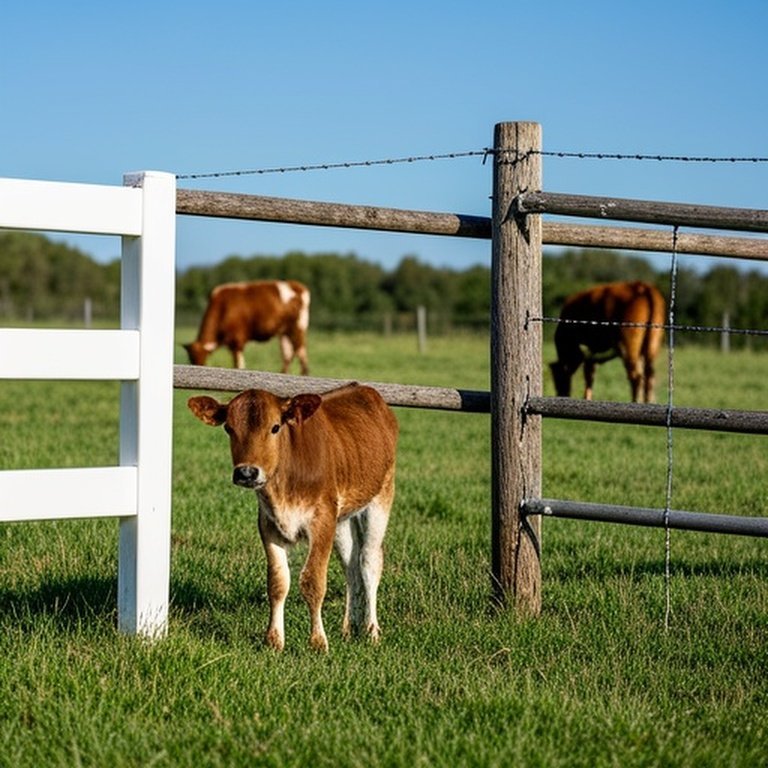
PVC fencing is often marketed as a “modern upgrade” to traditional fencing, but that label hides important trade-offs. Many landowners assume PVC is simply wood without maintenance or metal without rust. In reality, PVC behaves very differently under livestock pressure, weather exposure, and long-term use.
This question matters because choosing PVC for the wrong reason—appearance, low maintenance claims, or residential experience—can lead to costly mistakes on farms and ranches. Understanding how PVC truly differs from wood and metal helps prevent mismatched expectations and ensures the fence fits both functional and environmental demands.
Key Factors to Consider
- Material behavior: rigid plastic reacts differently to impact and temperature
- Structural strength: load handling differs from wood grain or steel wire
- Maintenance profile: low routine care but limited repair flexibility
- Livestock interaction: pressure tolerance varies by animal type
- Climate exposure: UV and cold affect plastics differently than metals
Detailed Explanation
PVC fencing is manufactured from polyvinyl chloride, a synthetic plastic designed to be moisture-resistant and uniform in structure. Unlike wood, which is organic and vulnerable to rot, insects, and moisture absorption, PVC does not decay over time. This makes it appealing in wet or humid environments where wood fencing deteriorates quickly.
Compared to metal fencing, PVC does not rust, corrode, or conduct electricity. This makes it safer in certain settings and visually cleaner over time. However, metal—especially wire-based systems—offers flexibility and tensile strength that PVC lacks. PVC fencing is rigid by design. When subjected to force, it tends to flex slightly and then either recover or crack, whereas metal wire absorbs and redistributes force across the fence line.
Another key difference is repair behavior. Damaged wood can be cut, braced, or replaced easily. Bent metal wire can often be re-tensioned or spliced. PVC panels or rails usually require full section replacement when cracked or broken. This affects long-term maintenance strategy more than routine upkeep frequency.
Temperature response is also a major distinction. Wood expands and contracts gradually. Metal expands with heat but remains structurally predictable. PVC becomes more brittle in cold weather and more flexible in high heat, which can influence impact resistance and long-term durability depending on climate.
In short, PVC fencing is best understood not as a direct replacement for wood or metal, but as a separate category with its own strengths and limits. Its differences are structural and behavioral, not just cosmetic.
How Cattle Behavior Affects This Choice
Cattle behavior highlights the biggest difference between PVC and traditional fencing. Livestock test boundaries through leaning, rubbing, and pushing—especially near feed, water, or shade. Wood absorbs some of this pressure through flex and fiber compression. Metal wire redistributes pressure across posts and spans.
PVC, by contrast, resists pressure up to a point and then fails abruptly. It does not gradually deform the way wood or metal does. This makes cattle behavior a critical consideration. Calm, well-managed cattle may interact minimally with PVC fencing, while crowded or stressed animals can quickly expose its limits. PVC is less forgiving of repeated physical testing.
Calves vs Mature Cattle Considerations
Calves are lighter and less forceful, making PVC fencing more viable in areas where young animals are contained temporarily. Visibility also helps reduce accidental contact.
Mature cattle apply far greater lateral force. PVC rails are more likely to crack or pull from posts under sustained adult pressure. This difference explains why PVC fencing performs better in decorative or low-pressure areas than in primary containment zones for mature livestock.
Terrain, Visibility, and Pressure Zones
PVC fencing performs best on flat, well-prepared ground. Uneven terrain introduces stress points because rigid rails do not follow ground contours easily. Wood and wire adapt better to slopes and dips.
Visibility is a strength of PVC, reducing accidental contact. However, pressure zones—gates, corners, feeding areas—magnify force. These locations often exceed PVC’s structural comfort zone unless heavily reinforced.
When This Works Well
- Flat terrain with good soil stability
- Low-pressure livestock areas
- Perimeter or visual boundary fencing
- Farms prioritizing appearance and low routine maintenance
- Controlled access zones rather than primary containment
When This Is Not Recommended
- High-pressure livestock containment
- Large pasture perimeters
- Uneven or sloped terrain
- Cold climates with frequent impact risk
- Areas requiring frequent repairs or modifications
Alternatives or Better Options
Wood fencing offers strength and repair flexibility but requires ongoing maintenance.
Wire-based fencing provides superior tensile strength and adaptability for livestock containment.
Hybrid systems using PVC for visibility and wire for strength can balance appearance and function.
Cost, Safety, and Practical Notes
PVC fencing trades mechanical strength for low maintenance and visual consistency. While it reduces painting, sealing, and rot concerns, it introduces replacement-based repairs when damaged. Safety-wise, smooth surfaces reduce cuts, but sudden failure under load can create containment risks.
Practically, PVC fencing works best when chosen deliberately for its properties—not as a universal upgrade. Matching the fence material to livestock pressure, terrain, and climate is the key to long-term satisfaction.
Quick Takeaway
PVC fencing differs from wood and metal in structure, behavior, and repair strategy—it excels in low-maintenance, low-pressure settings but should not be treated as a drop-in replacement for traditional livestock fencing.