Short Answer
The best maintenance schedule for woven wire fences includes a full inspection at least twice per year, quick visual checks monthly, and immediate repair after storms or livestock pressure events. Focus on brace assemblies, post stability, wire tension, and vegetation control. Preventive maintenance extends fence life by years and reduces costly structural failures.
Why This Question Matters
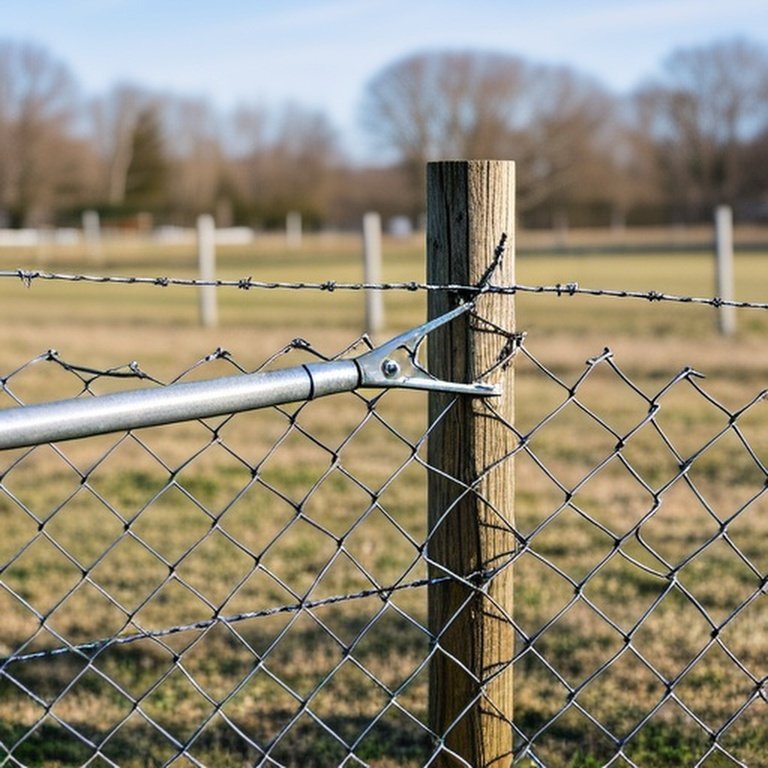
Woven wire fencing is designed to be durable, but it is not maintenance-free. Over time, weather exposure, livestock pressure, soil movement, and vegetation growth gradually weaken structural components. Most fence failures do not happen suddenly—they develop from small, ignored issues such as loosening staples, leaning posts, or sagging tension.
A consistent maintenance schedule prevents minor issues from becoming major repairs. Replacing one loose staple or tightening a sagging section is inexpensive; rebuilding a collapsed corner brace is not. Farms that follow a structured inspection routine often double the effective lifespan of their fencing systems compared to reactive maintenance.
Understanding what to inspect—and when—is far more important than performing random checks.
Key Factors to Consider
- Seasonal temperature changes affect wire tension
- Livestock pressure varies throughout the year
- Corners and end braces carry highest stress
- Vegetation accelerates corrosion and sagging
- Soil moisture influences post stability
Detailed Explanation
Woven wire fences experience gradual stress rather than sudden failure. Temperature shifts cause wire to expand and contract, slightly altering tension. Over time, this movement can loosen staples or create minor sagging between posts. Regular inspections catch these early signs before they compound.
Posts are another critical factor. Wet soil softens support, while freeze–thaw cycles can lift or shift posts. Even a slight lean in a corner post can redistribute pressure unevenly across an entire fence line. Twice-yearly structural inspections—ideally in spring and fall—allow you to identify and correct these issues before they worsen.
Livestock behavior also influences maintenance frequency. During fly season or breeding periods, cattle may rub or lean more aggressively against fence lines. After these high-pressure periods, a targeted inspection of high-traffic areas helps maintain long-term stability.
Vegetation management is often overlooked. Weeds, vines, and brush trap moisture against wire and posts, accelerating corrosion and rot. Keeping fence lines clear reduces deterioration and makes inspections easier.
A maintenance schedule should include three layers: quick monthly visual checks, detailed seasonal inspections, and immediate post-event inspections after storms, flooding, or herd pressure events. This structured approach balances time investment with maximum durability gains.
By committing to predictable inspection intervals rather than waiting for failure, woven wire fences consistently last longer and perform better.
How Livestock Pressure Changes Maintenance Needs
Fences holding high-density cattle require more frequent inspection than those containing light grazing animals. Leaning and rubbing increase during fly season and when feed is visible beyond the fence.
If cattle frequently gather along a boundary line, that section should be inspected more often than remote pasture segments. Pressure zones dictate inspection frequency more than fence age alone.
Climate and Seasonal Impacts
Cold climates create freeze–thaw cycles that shift posts. Hot climates increase wire expansion, which can reduce tension. Heavy rainfall softens soil, weakening post stability.
Inspect fences in early spring after winter movement and again before winter to ensure tension and brace integrity. In storm-prone areas, post-storm inspections are essential.
High-Risk Areas That Need Extra Attention
Corners, gates, water access points, and long straight runs are more vulnerable than short interior divisions. Gate hinges loosen over time and can distort adjacent wire.
Pay extra attention to brace assemblies and lower wire sections near ground level, where moisture exposure is highest.
When a Light Maintenance Schedule Works
- Low livestock density with minimal leaning
- Dry, stable soil conditions
- Properly installed H-brace assemblies
- Galvanized woven wire with good coating
- Minimal vegetation growth along fence line
When More Frequent Inspection Is Needed
- High-density cattle or bulls present
- Wet, shifting, or clay-heavy soil
- Frequent storms or extreme seasonal shifts
- Fence lines near water or wooded areas
- Older fencing systems over 10 years
Alternatives or Better Options
Add Offset Electric Wire
Installing a single interior electric wire reduces livestock contact, decreasing mechanical stress and extending maintenance intervals.
Upgrade Brace Assemblies
Strengthening corner and end braces reduces tension redistribution and limits long-term distortion.
Scheduled Digital Tracking
Using a simple inspection log or farm management app ensures inspections are consistent and documented.
Cost, Safety, and Practical Notes
Preventive maintenance is significantly cheaper than structural reconstruction. A two-hour inspection twice a year costs very little compared to replacing corner braces, multiple posts, and full wire sections after collapse.
From a safety standpoint, always relieve wire tension before major repairs. Tight woven wire stores energy and can snap back during cutting or adjustment. Wear gloves and eye protection during tension checks.
Practically, set calendar reminders tied to seasonal changes. Many farmers inspect in early spring after thaw and late fall before winter stress begins. Add extra inspections after major storms, livestock regrouping, or heavy grazing shifts.
Consistency—not intensity—is what protects long-term durability.
Quick Takeaway
The best maintenance schedule for woven wire fences includes monthly visual checks, detailed inspections twice per year, and immediate review after stress events. Focus on tension, posts, braces, and vegetation. Small preventive actions dramatically extend fence lifespan and reduce long-term repair costs.