Short Answer
The best type of wood for livestock fencing is typically pressure-treated pine for posts and cedar or treated boards for rails. Treated pine offers strong rot resistance at ground level, while cedar provides natural decay resistance above ground. Hardwood posts can last longer but cost more. The right choice depends on soil moisture, climate, and livestock pressure.
Why This Question Matters
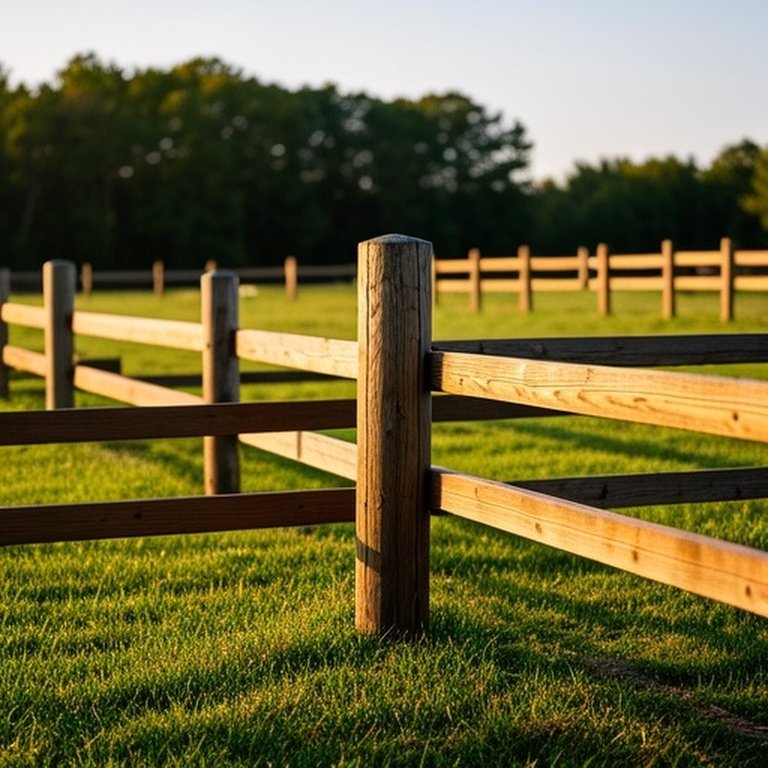
Wood selection directly determines how long a fence will last and how much maintenance it will require. Posts that rot prematurely or rails that warp under pressure lead to costly repairs and safety risks. Many fencing failures happen at ground level due to moisture exposure rather than surface weathering. Choosing the correct wood species for posts versus rails can extend fence life by years. Understanding the strengths and weaknesses of each wood type helps farmers balance cost, durability, and safety.
Key Factors to Consider
- Soil moisture and drainage conditions
- Ground-contact rot resistance requirements
- Livestock pressure and rubbing behavior
- Budget versus expected lifespan
- Availability of local lumber species
Detailed Explanation
Fence posts carry the structural load of the entire fence system, so ground-contact durability is critical. Pressure-treated pine is widely used because chemical treatment significantly improves resistance to rot and insects. When properly rated for ground contact and installed with good drainage, treated pine posts can last 15–20 years.
Cedar offers natural resistance to decay without chemical treatment. It performs especially well above ground as rails and boards. Cedar resists warping and cracking better than many softwoods, making it a strong choice for visible paddocks or horse fencing. However, cedar posts in wet soil may not last as long as treated pine unless drainage is excellent.
Hardwoods such as oak or black locust can outperform softwoods in longevity. Black locust, in particular, is highly rot-resistant even without treatment. The trade-off is cost and availability. Hardwood posts are heavier and harder to install but can exceed 20 years in favorable conditions.
Climate also affects wood choice. In humid or rainy regions, higher rot resistance becomes essential. In dry climates, untreated cedar or hardwood may perform adequately for many years. Freeze–thaw cycles and insect activity further influence durability.
The short answer stands because no single wood is universally best. Pressure-treated pine typically wins for posts due to cost and durability balance, while cedar or treated lumber often performs best for rails. Matching wood type to function—post versus board—is the key to long-term success.
How Cattle Behavior Affects This Choice
Cattle lean and rub against fences, placing stress on rails and fasteners. Softer woods may dent or loosen under repeated pressure. Cedar performs better than untreated pine for rails because it resists splitting and warping.
Posts must withstand both vertical load and horizontal force. Treated pine or hardwood posts are better suited for areas where cattle congregate. Reinforcing pressure zones extends overall fence lifespan.
Calves vs Mature Cattle Considerations
Calves apply limited force, allowing lighter rail materials to perform adequately. As cattle mature, stress increases. Mature livestock demand stronger posts and thicker boards to prevent loosening or breakage.
Planning for mature herd size avoids premature upgrades. Investing in stronger posts from the start often proves more cost-effective than replacing undersized materials later.
Terrain, Visibility, and Pressure Zones
Poor drainage dramatically shortens post life regardless of wood species. Gravel backfill and proper depth improve longevity. Level terrain reduces twisting stress on rails.
Visibility benefits livestock safety, especially for horses. Smooth, well-finished boards reduce injury risk. High-pressure zones—gates, corners, feed areas—should use heavier posts and durable rail materials.
When This Works Well
- Well-drained soils with minimal standing water
- Horse paddocks requiring high visibility
- Small to mid-size herds
- Regular inspection and maintenance schedules
- Reinforced corners and gate areas
When This Is Not Recommended
- Constantly wet or swampy ground
- Large-scale perimeter fencing on tight budgets
- Operations seeking minimal long-term maintenance
- High-density crowding areas without reinforcement
- Poor installation depth or drainage preparation
Alternatives or Better Options
For long perimeter fencing, high-tensile or woven wire may outperform wood in longevity and cost efficiency. Many farms combine treated pine posts with wire systems to reduce total lumber usage. Hybrid fencing—wood rails with wire backing—can improve durability while maintaining visibility and safety.
Cost, Safety, and Practical Notes
Treated pine offers the best balance of affordability and durability for posts. Cedar adds aesthetic value and natural decay resistance but increases cost. Hardwood posts may last longest but require higher upfront investment and labor. Safety improves when boards are smooth, properly spaced, and securely fastened. Ultimately, selecting the best wood involves evaluating lifespan expectations, climate conditions, and livestock behavior—not just initial material price.
Quick Takeaway
Pressure-treated pine is typically best for posts, while cedar or treated boards work well for rails. The best wood choice depends on moisture exposure, livestock pressure, and budget. Matching wood type to its structural role maximizes fence lifespan and safety.