Short Answer
The cheapest fencing option for horses is properly installed electric fencing, especially using wide electric tape or rope. Electric fencing has the lowest upfront material cost, requires fewer posts, and minimizes long-term repair expenses by discouraging physical contact. When used correctly, it provides effective containment at a fraction of the cost of traditional physical fencing.
Why This Question Matters
Horse fencing is often one of the largest expenses when setting up or expanding a property. Many owners search for the cheapest option assuming they can “upgrade later,” while others choose low-cost materials that quickly fail or cause injuries. The wrong cost-driven decision can lead to repeated repairs, escapes, or veterinary bills that erase any initial savings. This question usually arises during new pasture setup, budget-limited expansions, or temporary fencing situations where cost control feels urgent but long-term consequences are often underestimated.
Key Factors to Consider
- Upfront material cost versus long-term maintenance expense
- Fence interaction frequency in pasture or turnout settings
- Horse behavior and respect for visual boundaries
- Labor and installation complexity
- Risk of injury-related costs
Detailed Explanation
The reason electric fencing is the cheapest option for horses is not just material price, but cost behavior over time. Electric fencing relies on psychological deterrence rather than physical resistance. Once horses learn to respect the fence, they stop leaning, pushing, and damaging it. This dramatically reduces ongoing repair and replacement costs.
Traditional physical fencing systems often appear cheaper at first when using basic wire or low-grade materials. However, these systems absorb constant pressure. Horses scratch, graze along fence lines, and shift with herd movement. Over time, posts loosen, wires sag, and repairs become routine. Each repair adds labor, materials, and downtime.
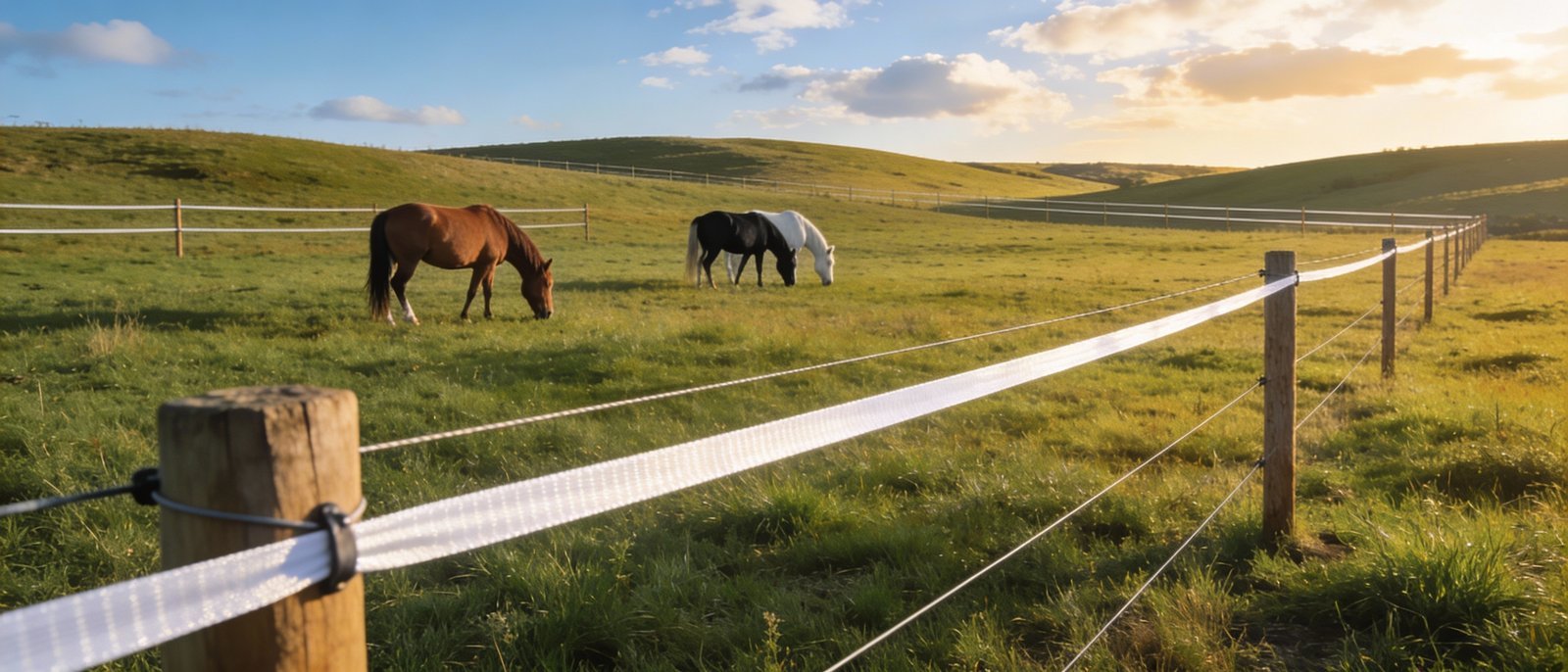
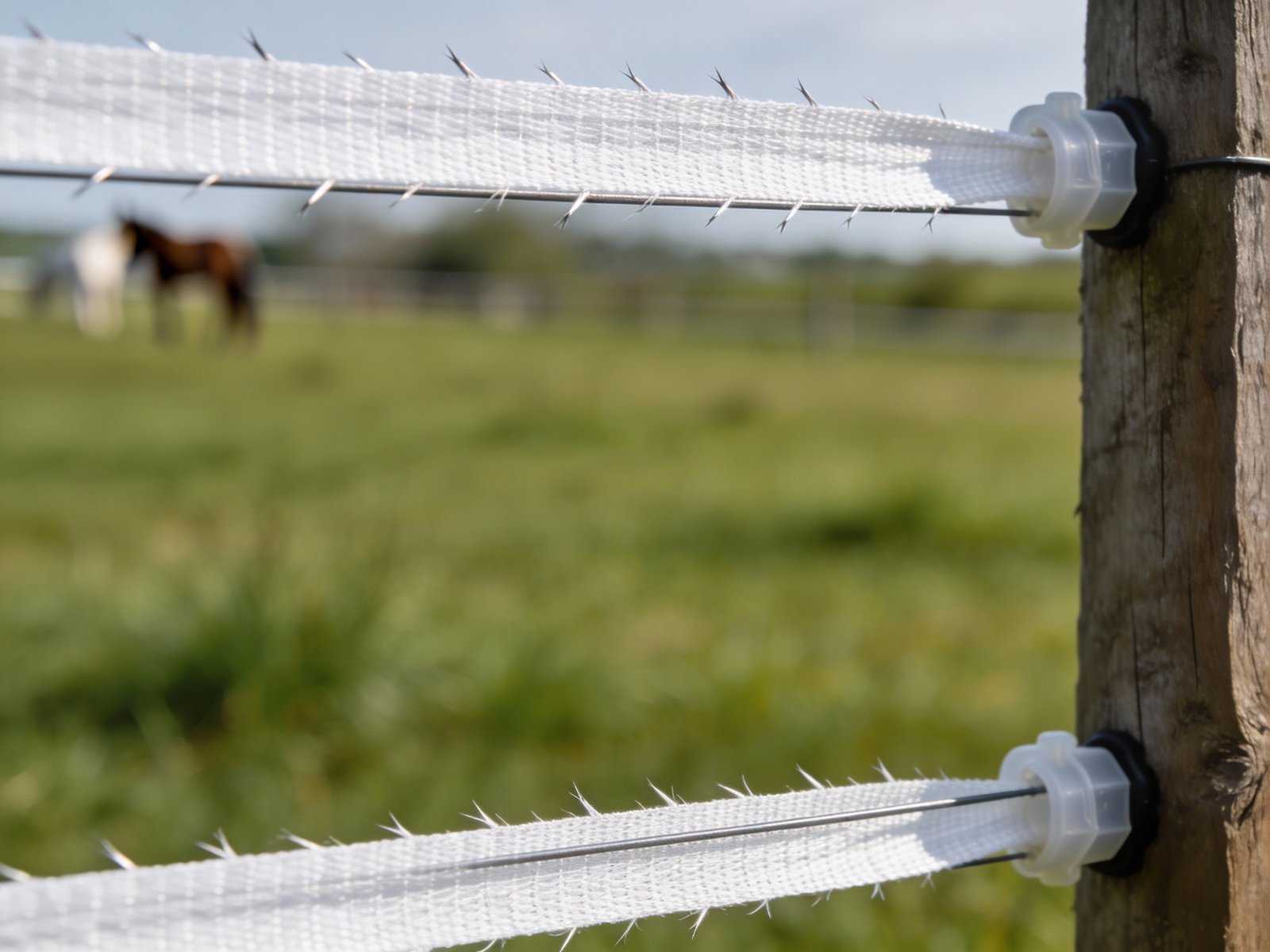
Electric fencing requires fewer posts, lighter materials, and less excavation. Wide tape or rope improves visibility, reducing accidental contact. Because the fence is rarely touched after training, component wear is minimal. Even over large areas, electric systems scale efficiently without proportional cost increases.
The key point is that “cheapest” does not mean weakest. Electric fencing works because it changes horse behavior. As long as voltage is consistent and visibility is maintained, containment remains reliable. Most failures attributed to electric fencing are actually failures of installation or maintenance, not the system itself. When installed correctly, electric fencing consistently delivers the lowest total cost of ownership for horse containment.
Temporary vs Long-Term Budget Solutions
Electric fencing is especially cost-effective for temporary or phased fencing plans. Properties that are still being developed can use electric fencing to establish safe boundaries without committing to high upfront costs. This flexibility allows owners to allocate budget toward land improvement, shelters, or future permanent fencing.
For long-term use, electric fencing remains economical because it delays or eliminates the need for major repairs. While permanent physical fencing may still be added later, electric systems often remain part of the final design due to their cost efficiency and effectiveness. Many operations install electric fencing as a primary containment solution for years before adding any physical barriers.
Budget constraints frequently force owners to make compromises, but electric fencing offers both immediate savings and sustained performance. Unlike cheap physical fencing that quickly degrades, quality electric components maintain effectiveness for decades with minimal intervention.
Visibility and Training Effects on Cost
Visibility directly affects cost efficiency. Thin, hard-to-see wire leads to accidental contact and repeated shocks, which undermines horse confidence and fence credibility. Wide tape or rope increases initial cost slightly but reduces training time, fence challenges, and maintenance.
A visible electric fence teaches horses faster, reducing stress and minimizing ongoing adjustments. Over time, this improved learning curve lowers overall management costs and increases system reliability. Horses that clearly see their boundaries develop consistent respect patterns, eliminating the behavioral issues that plague poorly visible systems.
The investment in wider, more visible materials typically adds only 20-30% to material costs but can reduce training time by 50% or more. This accelerated learning translates to fewer incidents, less fence testing, and lower psychological stress on the herd. The result is a more stable containment system that requires less ongoing supervision.
When This Works Well
- Budget-limited fencing projects requiring maximum coverage for minimum investment
- Large pastures requiring long fence runs where post costs would be prohibitive
- Temporary or rotational grazing setups needing flexible boundaries
- Horses properly introduced to electric fencing through controlled training
- Properties prioritizing low maintenance and minimal repair schedules
When This Is Not Recommended
- Areas without reliable power sources or adequate grounding conditions
- Facilities unable to perform routine fence checks and voltage testing
- High-traffic confinement areas requiring immediate physical barriers for safety
- Public-facing properties with liability concerns or frequent visitor access
- Situations where horses are untrained, highly reactive, or have known fence-charging behaviors
Alternatives or Better Options
For owners needing slightly more structure, combining electric fencing with minimal physical elements can still keep costs low. Examples include electric offsets added to existing smooth wire or temporary panel fencing. These hybrid approaches improve safety while maintaining affordability.
In some cases, investing slightly more upfront in visible materials reduces long-term expenses. High-quality polyrope or wide tape, though more expensive than thin wire, dramatically decreases training time and maintenance incidents. The additional 30-50% material cost often pays for itself within the first year through reduced labor and fewer repairs.
Alternatives exist to balance budget constraints with safety rather than choosing the absolute lowest-cost materials blindly. No-climb wire mesh with electric offset, or simple wooden posts with electric tape, provide psychological deterrence backed by physical structure without requiring full premium fencing investment.
Cost, Safety, and Practical Notes
Electric fencing has the lowest upfront cost, but it is not “set and forget.” Regular voltage checks, vegetation control, and grounding maintenance are essential. Neglect quickly erodes savings by reducing effectiveness. A fence delivering inconsistent voltage becomes unreliable, leading to testing behavior and potential escapes.
From a safety perspective, electric fencing lowers injury severity compared to rigid wire systems. The main trade-off is management responsibility versus material expense. For most horse owners, consistent light maintenance is far cheaper than repeated physical fence repairs or injury-related costs.
Typical material costs for electric fencing range from $1.50 to $3.00 per linear foot installed, compared to $6-$10 for wood board fencing or $15-$30 for vinyl systems. Over a 500-foot perimeter, this represents savings of $2,250 to $13,500 on initial installation alone.
The cheapest fencing option remains electric fencing when total cost of ownership is considered, not just initial purchase price. Long-term economics favor systems that prevent damage rather than absorb it, making electric fencing the most financially sustainable choice for most horse operations.
Video Demonstration
This video demonstrates how low-cost electric fencing systems work in real horse environments and why proper installation keeps costs low over time.
Quick Takeaway
The cheapest horse fencing option is the one horses avoid touching. Electric fencing achieves this at the lowest total cost when installed and maintained correctly.