Short Answer
The cheapest type of fence for livestock is basic electric fencing, typically costing $0.10–$0.30 per linear foot for materials and far less labor than physical fences. For cattle and trained animals, single- or two-strand electric systems offer the lowest upfront cost. Barbed wire is usually the cheapest non-electric option, but costs more to install and maintain over time.
Why This Question Matters
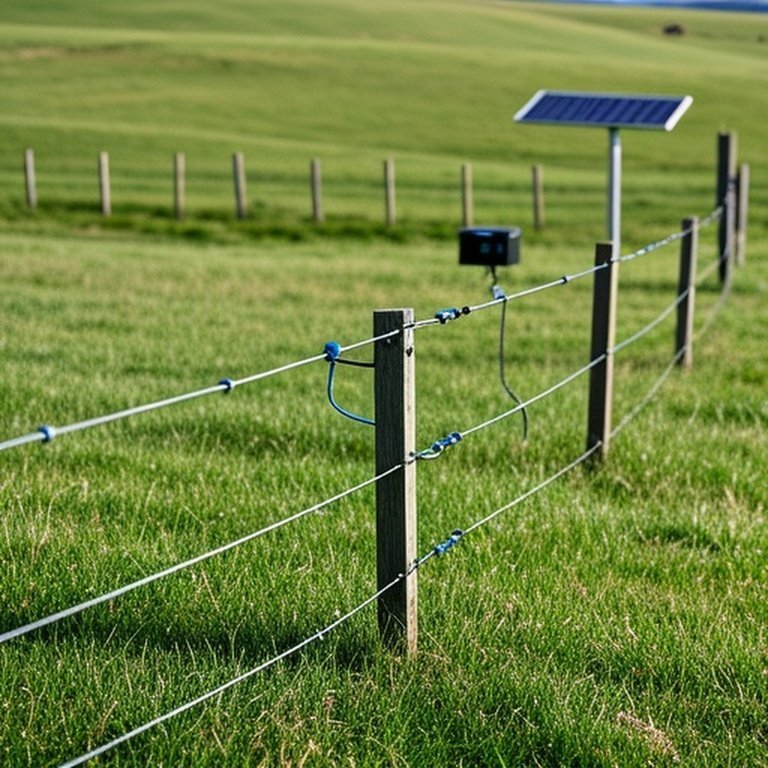
Fence cost is one of the biggest barriers for new farmers, ranchers, and landowners. Choosing the wrong “cheap” fence often leads to livestock escapes, injuries, or total replacement—turning a low upfront price into a high long-term expense. This question matters because cheap does not always mean economical, and the answer changes depending on livestock type, land conditions, and management style.
Understanding which fence is truly cheapest for your situation helps you avoid false savings. It allows you to balance upfront budget limits with safety, effectiveness, and lifespan—especially important for large acreage where small per-foot differences add up fast.
Key Factors to Consider
- Upfront material cost versus long-term maintenance expense
- Livestock size, behavior, and training level
- Labor requirements and installation complexity
- Terrain, vegetation, and grounding conditions
- Safety risks for animals and people
Detailed Explanation
When people ask for the cheapest livestock fence, they usually mean lowest upfront cost, not lifetime value. From that perspective, electric fencing wins almost every time. Electric systems require fewer posts, lighter wire or poly materials, and minimal digging. A basic setup can be installed quickly, often by one person, which dramatically reduces labor costs.
Barbed wire is the next cheapest option and is often considered the lowest-cost physical fence. Materials are relatively inexpensive, and it works well for cattle on open land. However, barbed wire requires closer post spacing, heavier corner bracing, and more installation time. It also carries higher injury risk and ongoing repair costs, especially in high-pressure areas.
Woven wire, wood, and composite fencing are not cheap by any definition. While they provide excellent containment, their material costs, labor demands, and long installation times put them far above budget-focused options. These fences only become “cheaper” when evaluated over very long lifespans or for animals that cannot be reliably contained otherwise.
The real takeaway is that electric fencing is cheapest when livestock can be trained and management is active. Without training, power maintenance, and vegetation control, even the cheapest electric fence fails—and failure is always expensive.
Video Demonstration
How Livestock Behavior Affects the Cheapest Choice
Livestock behavior determines whether cheap fencing works at all. Cattle respond well to electric fencing once trained, making it the most cost-effective option for them. Sheep and goats are less responsive and often test fences repeatedly, which can overwhelm low-cost systems.
Pigs require low wires and strong grounding, increasing material and labor needs. Horses demand visibility and safety, often eliminating the cheapest options entirely. In short, the cheapest fence only stays cheap if the animals respect it.
Calves vs Mature Livestock Considerations
Calves and young animals are lighter, faster, and more curious than mature livestock. Cheap fencing with wide spacing or weak shock often fails during this stage. Many producers underestimate this and end up rebuilding fences within the first season.
For operations with mixed-age livestock, slightly upgrading the “cheapest” fence—adding strands or better posts—often reduces total cost by preventing escapes and damage.
Terrain, Visibility, and Pressure Zones
Flat, open land favors cheap fencing. Hills, rocks, and poor soil increase installation effort and grounding difficulty, especially for electric systems. Low-visibility fencing in wooded or wildlife-heavy areas often requires extra materials, raising costs.
Corners, gates, and water access points concentrate pressure and failure. Reinforcing these areas is essential, even when using the cheapest overall fence design.
When This Works Well
- Cattle or trained livestock on open pasture
- Large acreage where material efficiency matters most
- Active management with regular fence checks
- Flat or gently rolling terrain
- Situations where temporary or flexible layouts are acceptable
When This Is Not Recommended
- Goats, sheep, or pigs without reinforced designs
- Horse operations prioritizing visibility and safety
- Areas with heavy vegetation or poor grounding
- Properties with frequent public or wildlife contact
- Long-term perimeter fencing without maintenance plans
Alternatives or Better Options
Electric + physical hybrid fencing
Combining a cheap electric fence with an existing physical barrier often improves reliability without full replacement costs.
High-tensile electric fencing
Slightly more expensive upfront than basic electric fencing, but far more durable and still among the lowest long-term costs.
Phased upgrades
Starting with the cheapest functional fence and reinforcing problem areas over time spreads costs while improving performance.
Cost, Safety, and Practical Notes
The cheapest fence becomes expensive fast if it injures animals, fails repeatedly, or requires constant repair. Barbed wire may cost less initially but carries higher veterinary risk. Electric fencing requires reliable power and grounding—neglecting these turns savings into losses.
Budget decisions should include maintenance time, repair materials, and animal safety, not just purchase price. The cheapest fence is the one that works consistently with minimal intervention.
Quick Takeaway
For most livestock operations, electric fencing is the cheapest option upfront, while barbed wire is the cheapest non-electric choice. The true cheapest fence is the one that matches livestock behavior, land conditions, and management style—because a fence that fails is never cheap.