
Short Answer
The ideal post spacing for wire fencing is typically 8–12 feet for most livestock applications. High-tensile wire systems can extend spacing up to 15–20 feet with proper bracing, while woven wire or high-pressure areas often require 8–10 feet spacing for stability and tension control.
Why This Question Matters
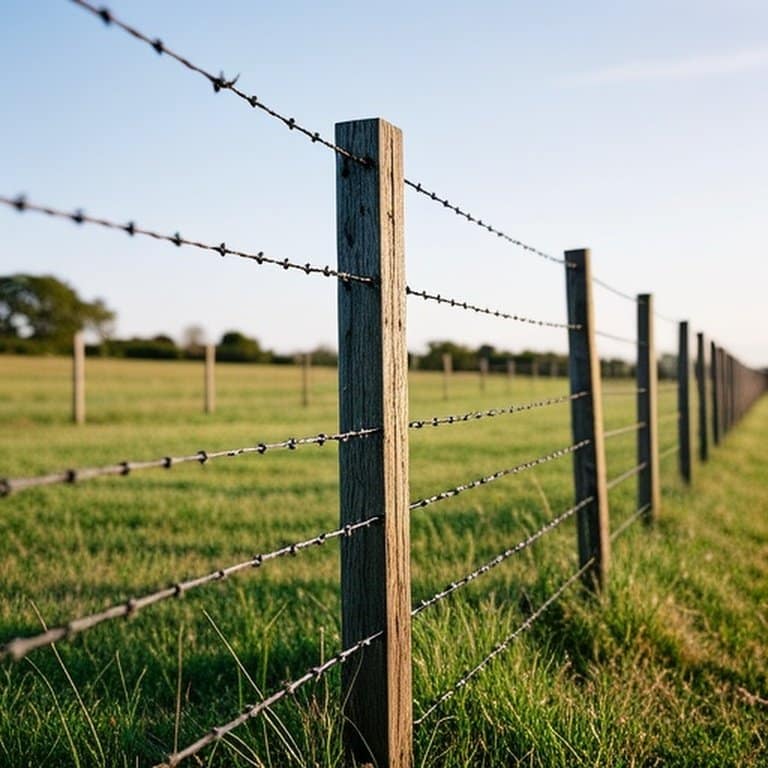
Post spacing directly determines fence strength, wire tension performance, long-term durability, and maintenance frequency. Even high-quality wire fails if posts are spaced too far apart. Excessive spacing causes sagging, reduced effective height, poor animal containment, and structural weakness during weather stress.
On the other hand, placing posts too close together significantly increases material and labor costs without proportional structural benefit. The goal is not simply “closer is stronger,” but rather matching spacing to wire type, livestock behavior, and terrain pressure. Correct spacing balances cost efficiency with structural reliability over the fence’s full lifespan.
Key Factors to Consider
- Type of wire: high-tensile, woven, barbed, or electric
- Livestock pressure and behavioral tendencies
- Soil stability and post anchoring depth
- Terrain slope and corner bracing requirements
- Perimeter versus interior fence function
Detailed Explanation
Wire fencing functions as a tension system. Posts provide anchor points, but the wire carries horizontal load. When posts are spaced too far apart, wire tension distributes unevenly and begins to sag between spans. This reduces effective fence height and encourages animals to lean, crawl, or step through weakened sections.
For woven wire fencing, 8–10 feet spacing is common because the mesh distributes pressure across multiple horizontal and vertical strands. Closer spacing keeps the mesh tight and prevents bowing under livestock pressure. In cattle or mixed-species systems, tighter spacing increases resistance against pushing and leaning.
High-tensile wire systems operate differently. Because the wire is designed to carry significant tension, spacing can extend to 12–20 feet when combined with properly braced corner assemblies and strong end posts. However, this wider spacing only works when tension is correctly set and maintained. Without adequate bracing, long spans amplify stress and lead to failure.
Electric fencing, especially temporary systems, may use wider spacing with step-in posts because containment relies more on psychological deterrence than physical resistance. However, perimeter electric fences still benefit from conservative spacing to maintain alignment and durability.
Ultimately, ideal spacing is determined by load expectation. The greater the livestock pressure, environmental stress, or perimeter importance, the closer posts should be placed within the recommended range.
Extended Practical Considerations
How Cattle Behavior Affects This Choice
Cattle apply forward pressure rather than jumping vertically. When feed or breeding pressure increases, multiple animals may lean simultaneously against the fence. Wider post spacing increases wire deflection under that load.
For cattle perimeter fencing, staying within 8–12 feet spacing improves structural resistance and reduces sagging. In high-pressure areas like gates or feeding zones, spacing may need to be even tighter to prevent long-term deformation.
Calves vs Mature Cattle Considerations
Calves exert less force individually but are more likely to slip through gaps if sagging occurs near the bottom wire. Wider post spacing increases the risk of lower wire bowing, which compromises containment for smaller animals.
Mature bulls or dominant animals exert significant force. For operations with breeding stock, conservative spacing improves reliability and reduces maintenance cycles over time.
Terrain, Visibility, and Pressure Zones
Uneven terrain increases stress between posts. On slopes, effective spacing should often be reduced because tension behaves differently when grade changes occur. Soft or sandy soils may also require closer spacing or deeper post installation for stability.
Corners, gates, and directional changes concentrate force. Even when standard spacing is used along straight runs, corner bracing must be reinforced to maintain system integrity.
When This Works Well
- Straight fence runs on stable, level ground
- Properly braced corner and end assemblies
- Single-species herds with moderate pressure
- Correctly tensioned high-tensile systems
- Interior cross fencing with controlled animal movement
When This Is Not Recommended
- High predator pressure requiring rigid containment
- Mixed livestock with different behavioral stress patterns
- Soft soil with poor post anchoring stability
- Heavy wildlife crossings or environmental impact zones
- Areas exposed to strong seasonal wind loads
Alternatives or Better Options
Closer Spacing for High-Pressure Zones
Reducing spacing to 6–8 feet in critical sections improves rigidity and reduces long-term sagging without redesigning the entire fence line.
Add Line Posts Between Wider Spans
If initial spacing is too wide, installing intermediate posts can restore tension stability without replacing the entire fence.
Reinforced Corner Bracing Systems
Strong brace assemblies allow slightly wider spacing along straight runs by properly distributing horizontal load.
Cost / Safety / Practical Notes
Closer post spacing increases material costs, labor time, and post installation effort. However, overly wide spacing results in sagging wire, reduced fence height, and increased maintenance over time. The long-term cost of frequent repairs can exceed initial savings from wider spacing.
Safety considerations also matter. Sagging wire increases entanglement risk, especially for horses and young livestock. High-tensile systems under improper spacing may snap under stress, posing injury hazards.
The practical balance for most livestock wire fencing falls between 8–12 feet. Wider spacing should only be used when structural design, bracing, and tensioning are correctly engineered for the load.
Quick Takeaway
For most wire fencing, 8–12 feet post spacing offers the best balance of strength, tension control, and cost efficiency. High-tensile systems may extend spacing with proper bracing, but perimeter fences and high-pressure areas benefit from conservative spacing to ensure long-term reliability.