Short Answer
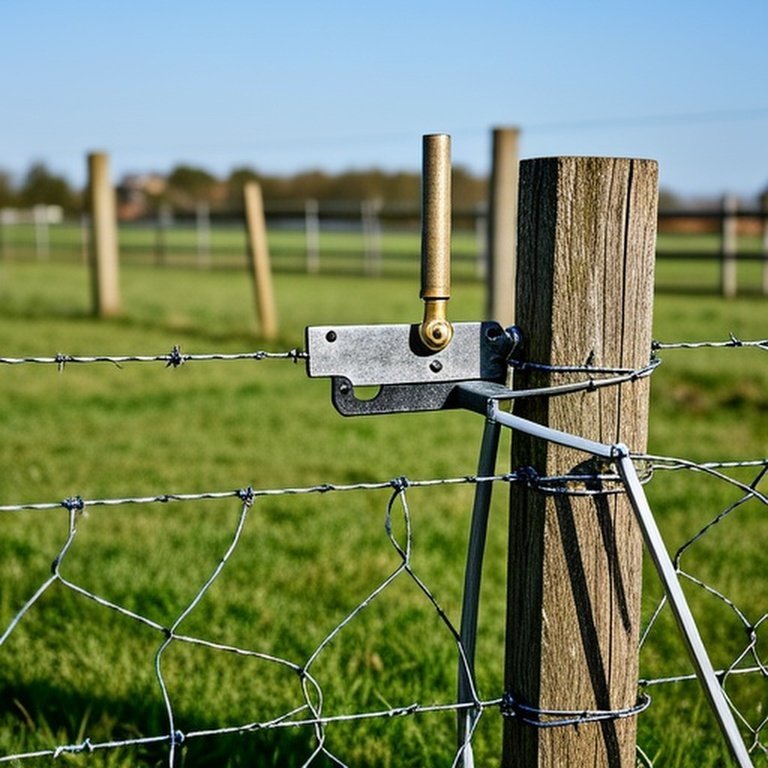
The proper way to replace a section of woven wire fence is to remove the damaged portion completely, secure the remaining ends to stable posts, splice in a new matching section, and re-tension the wire evenly. Proper bracing, tight crimps or wraps, and balanced tension are essential to restore structural integrity and livestock containment.
Why This Question Matters
Woven wire fencing depends on consistent horizontal tension and strong vertical stays to maintain strength. Simply patching over a damaged area often creates weak points that sag, separate, or fail under livestock pressure. An improperly replaced section can compromise the entire fence line by shifting load unevenly to adjacent posts and braces.
Because woven wire is commonly used for cattle, sheep, goats, and perimeter fencing, structural reliability is critical. Gaps or tension loss increase escape risk and predator vulnerability. Replacing a section correctly ensures the fence performs as originally designed and prevents repeated repairs in the same location.
Key Factors to Consider
- Extent of wire damage and deformation
- Stability of adjacent posts and braces
- Matching wire type, height, and mesh spacing
- Proper tensioning tools and techniques
- Livestock pressure in that specific area
Detailed Explanation
Start by identifying the full extent of the damaged area. Woven wire often stretches beyond the visibly broken section. Cut out the entire compromised portion back to structurally sound mesh. Always relieve tension safely before cutting to avoid dangerous recoil.
Next, inspect the posts on both sides of the removed section. If either post has loosened or shifted, reset or reinforce it before installing new wire. Woven wire relies heavily on solid anchor points. If end or brace posts are weak, tension cannot be restored correctly.
Attach the new section by overlapping mesh ends and removing vertical stays as needed for proper weaving or crimp sleeve connections. Secure the wire to one end post first. Then use a fence stretcher or come-along to tension the new section evenly before fastening it permanently to the opposite post. The wire should be firm but not over-tightened, which can strain posts and staples.
Finally, secure the fence to intermediate posts with staples or clips, ensuring mesh alignment remains straight and level. Check that vertical stays are upright and spacing is consistent. When properly installed, the replacement section should blend seamlessly into the original fence without visible sag or uneven tension.
By replacing—not patching—the damaged span and restoring balanced tension, you ensure the fence regains its full structural strength.
How Cattle Behavior Affects This Choice
Cattle often test fence sections that were previously damaged. If the replaced span is under-tensioned or poorly secured, they will lean or rub against it again. Ensuring tight installation and solid bracing prevents repeat failure in high-pressure zones.
Calves vs Mature Cattle Considerations
Calves are more likely to slip through widened mesh or poorly aligned sections. Mature cattle exert strong lateral force. In mixed herds, prioritize tight mesh alignment and strong post anchoring during replacement.
Terrain, Visibility, and Pressure Zones
Low spots and corners experience greater stress. If the damaged section is near a corner or slope, confirm brace assemblies are intact. Uneven terrain may require adjusted tension to maintain consistent mesh height along the ground.
When This Works Well
- Damage is confined to a specific span
- Posts remain structurally stable
- Matching woven wire is available
- Proper tensioning tools are accessible
- Brace assemblies are intact
When This Is Not Recommended
- Multiple sections show widespread corrosion
- End or corner posts are failing
- Soil instability affects several spans
- Fence line alignment has shifted significantly
- Wire fatigue is visible across long distances
Alternatives or Better Options
Full Section Replacement Between Braces
If damage is near a brace, replacing the entire span between brace posts provides cleaner tension distribution and longer durability.
Upgrade to Heavier Gauge Woven Wire
If failure resulted from livestock pressure, upgrading to heavier wire may reduce future repair frequency.
Add Offset Electric Wire for Pressure Relief
Installing a single electric offset strand can reduce cattle leaning and extend woven wire lifespan.
Cost, Safety, and Practical Notes
Replacing a woven wire section is more labor-intensive than simple patching but offers better long-term performance. Costs include new wire, fasteners, and potentially brace reinforcement materials.
Safety is critical when cutting and tensioning woven wire. Always release tension gradually and use appropriate stretching tools. Wear gloves and eye protection to prevent injury from sharp edges and recoil.
Avoid over-tensioning. Excessive strain can damage posts and cause premature failure. Proper tension restores structure without overstressing the system.
Quick Takeaway
The proper way to replace a section of woven wire fence is to remove all compromised mesh, secure stable anchor posts, splice in matching wire, and restore even tension. Structural balance—not quick patching—ensures long-term durability and livestock containment.