
Short Answer
The biggest mistakes in cross fencing are overbuilding interior fences, poor layout planning, weak grounding for electric systems, ignoring water access, and underestimating cattle behavior. Cross fencing should improve grazing control and flexibility—not create unnecessary cost, maintenance problems, or animal pressure points that weaken your overall system.
Why This Question Matters
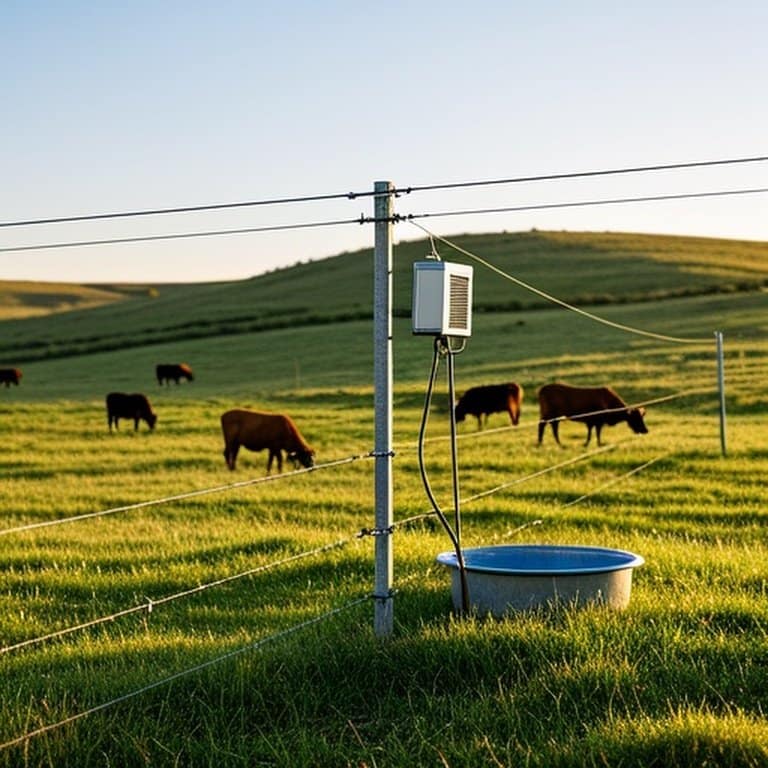
Cross fencing is often added to improve rotational grazing, but poorly planned interior divisions can quickly become expensive and frustrating. Many producers either build cross fences too strong and overspend, or too weak and constantly repair them.
Unlike perimeter fencing, cross fencing is part of a management system. It affects livestock flow, forage recovery, water access, and daily labor efficiency. A mistake in layout or materials can increase stress on animals, create mud zones, or complicate herd movement.
Avoiding common installation errors ensures that cross fencing actually improves pasture productivity instead of becoming a maintenance burden.
Key Factors to Consider
- Interior fences rarely need perimeter-level strength
- Proper electric grounding prevents constant fence failure
- Layout should support water access and cattle flow
- Avoid narrow corners that create pressure points
- Plan for equipment access before setting posts
Detailed Explanation
One of the most common mistakes is building cross fencing as if it were perimeter fencing. Interior divisions are primarily management tools, not boundary protection. Using heavy woven wire or board fencing throughout dramatically increases costs without improving grazing performance. Most systems function efficiently with properly installed electric fencing.
Another frequent issue is poor layout design. Straight lines that ignore terrain, water sources, or cattle movement patterns create bottlenecks and high-pressure corners. These spots become muddy, overgrazed, and prone to fence damage. Cross fences should follow practical grazing flow, not just property geometry.
Electric fencing failures are also common. Weak grounding systems, inadequate voltage, or poor connections result in animals testing the fence. Once cattle learn a fence is unreliable, ongoing problems follow. A properly grounded energizer is more important than adding extra wires.
Finally, many installers forget equipment access. If machinery cannot enter paddocks easily, daily management becomes inefficient. Gates and lanes must be part of the cross fencing plan from the beginning.
Well-installed cross fencing simplifies management. Poorly installed fencing multiplies work.
How Cattle Behavior Affects This Choice
Cattle naturally push toward corners and gates.
Designing cross fencing without considering pressure zones increases wear and failure risk.
Rounded corners and thoughtful lane placement reduce fence stress.
Calves vs Mature Cattle Considerations
Calves may crawl under high wires if spacing is incorrect.
Lower wire placement and consistent voltage help prevent training problems early.
Terrain, Visibility, and Pressure Zones
Cross fencing placed across steep slopes can increase erosion.
Aligning paddocks with natural contours improves drainage and reduces fence strain.
When This Works Well
- Systems using reliable electric fencing
- Farms practicing active rotational grazing
- Layouts planned around water access
- Producers willing to monitor voltage regularly
- Operations focused on forage recovery
When This Is Not Recommended
- Continuous grazing systems with minimal rotation
- Properties lacking reliable power sources
- Extremely small pastures with limited subdivision value
- Operations unwilling to manage daily movement
- Poorly drained soils without traffic planning
Alternatives or Better Options
Temporary Electric Cross Fencing First
Start with portable polywire and step-in posts to test paddock layout before installing permanent divisions.
Hybrid Cross Fencing System
Use semi-permanent high-tensile wire for main divisions and temporary fencing for seasonal adjustments.
Cost / Safety / Practical Notes
Overbuilding cross fencing increases cost without proportional return. Interior electric fencing typically costs far less per linear foot than permanent woven or wood fencing.
Budget for quality energizers and grounding systems—underpowered setups create ongoing failure and repair costs.
Safety considerations include proper visibility for wires and clear gate access to reduce injury risk for both livestock and operators.
The biggest financial mistake is assuming stronger always means better. Effective cross fencing balances durability, flexibility, and cost.
When designed correctly, cross fencing increases pasture productivity and reduces long-term feed expenses.
Quick Takeaway
Avoid overbuilding, poor grounding, bad layout design, and ignoring cattle behavior. Cross fencing works best when it supports rotational management, not when it mimics perimeter fencing.