
Short Answer
Avoid common farm fencing mistakes such as skipping boundary verification, underbuilding the perimeter, ignoring livestock behavior, overcomplicating layout design, and failing to plan for drainage or future expansion. Most fencing failures result from poor planning—not poor materials.
Why This Question Matters
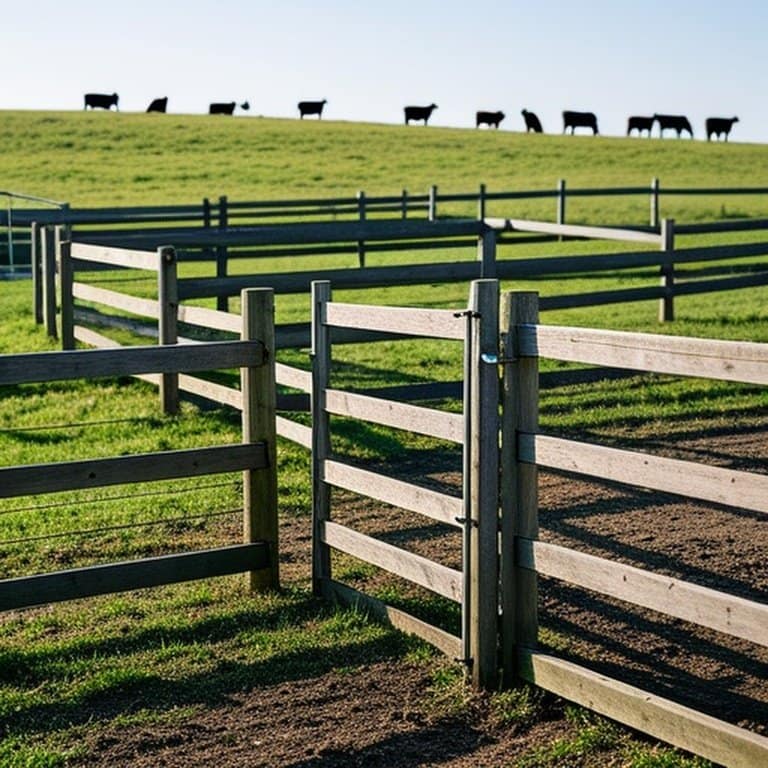
Farm fencing is expensive, labor-intensive, and long-lasting. Once posts are set and brace assemblies installed, correcting layout mistakes requires significant rework. Small planning errors—like poorly placed gates or ignoring terrain slope—can create daily frustration and ongoing repair costs.
Many fencing systems fail within a few years because foundational decisions were rushed. Choosing the wrong layout, neglecting reinforcement in high-pressure zones, or underestimating herd growth can compromise safety and durability. Identifying and avoiding common mistakes before installation protects both financial investment and long-term operational efficiency.
Key Factors to Consider
- Confirmed property boundaries and legal setbacks
- Livestock species and behavioral tendencies
- Terrain slope, drainage, and soil stability
- Gate placement and equipment access
- Future herd size and pasture subdivision needs
Detailed Explanation
One of the most common mistakes is failing to verify property lines. Installing fencing without an accurate survey can lead to disputes, fines, or costly relocation. Always confirm boundaries before installation begins.
Another frequent error is underbuilding the perimeter. The perimeter fence is your primary containment and security barrier. Using lighter materials or insufficient bracing to reduce cost often results in sagging, leaning posts, and eventual structural failure.
Overcomplicating the fence layout is also problematic. Excessive corners, irregular shapes, and unnecessary subdivisions increase material use and create tension weak points. Simple, straight runs are stronger and easier to maintain.
Ignoring livestock behavior leads to predictable failures. Cattle lean, goats climb, and horses may challenge low or poorly visible fencing. Designing without accounting for these behaviors increases escape risk and repair frequency.
Finally, neglecting drainage and terrain conditions accelerates fence deterioration. Placing posts in poorly drained soil without stabilization weakens structural integrity. Fencing across steep slopes without contour planning increases tension stress and erosion.
Most fencing problems are avoidable with careful planning and realistic evaluation of long-term needs.
Extended Practical Considerations
How Livestock Behavior Affects Planning Mistakes
Animals naturally test weak points. Corners, gates, and water areas experience higher pressure. Failure to reinforce these zones leads to early failure.
Livestock flow patterns should guide layout decisions. Ignoring natural movement routes increases daily handling stress.
Calves vs Mature Livestock Considerations
Young animals exploit gaps near the ground. Overlooking spacing adjustments for calves or lambs increases escape incidents.
Breeding animals may exert stronger force on fences during seasonal pressure, requiring reinforced infrastructure.
Terrain, Visibility, and Pressure Zones
Installing fences at the lowest drainage points creates mud zones and post rot. Poor soil preparation shortens fence lifespan.
Lack of visibility in horse fencing increases collision risk and injury potential.
When This Works Well
- Thorough property survey completed
- Strong perimeter installed first
- Straight fence runs with minimal corners
- Reinforced gate and high-pressure zones
- Expansion plans integrated into layout
When This Is Not Recommended
- Rushed installation without site evaluation
- Choosing materials solely based on lowest cost
- Ignoring long-term livestock growth
- Placing gates without considering flow
- Failing to plan drainage and soil stabilization
Alternatives or Better Options
Phased Planning Approach
Complete perimeter fencing first, then gradually add interior divisions based on operational needs.
Temporary Layout Testing
Use portable electric fencing to test paddock configurations before installing permanent divisions.
Professional Consultation
For large properties or complex terrain, consulting an agricultural extension agent or fencing specialist can prevent costly errors.
Cost / Safety / Practical Notes
Mistakes in fence planning increase long-term maintenance and replacement costs. Spending slightly more on proper bracing, post depth, and layout efficiency reduces total lifecycle expense.
Safety risks include livestock escape, injury from unstable fencing, and handler accidents near poorly designed gates.
The most cost-effective strategy is simple: verify boundaries, design for livestock behavior, reinforce high-pressure areas, and plan for growth from the beginning.
Quick Takeaway
Avoid fencing mistakes by verifying property lines, building a strong perimeter, simplifying layout design, reinforcing high-pressure areas, and planning for future herd growth. Most costly failures are planning errors—not material defects.