Short Answer
You should choose an electric fence charger rated for at least two to three times the total length of your fence, measured in miles, and with sufficient output energy (joules) for your livestock and conditions. Oversizing slightly is recommended to maintain effective voltage under real-world conditions.
Why This Question Matters
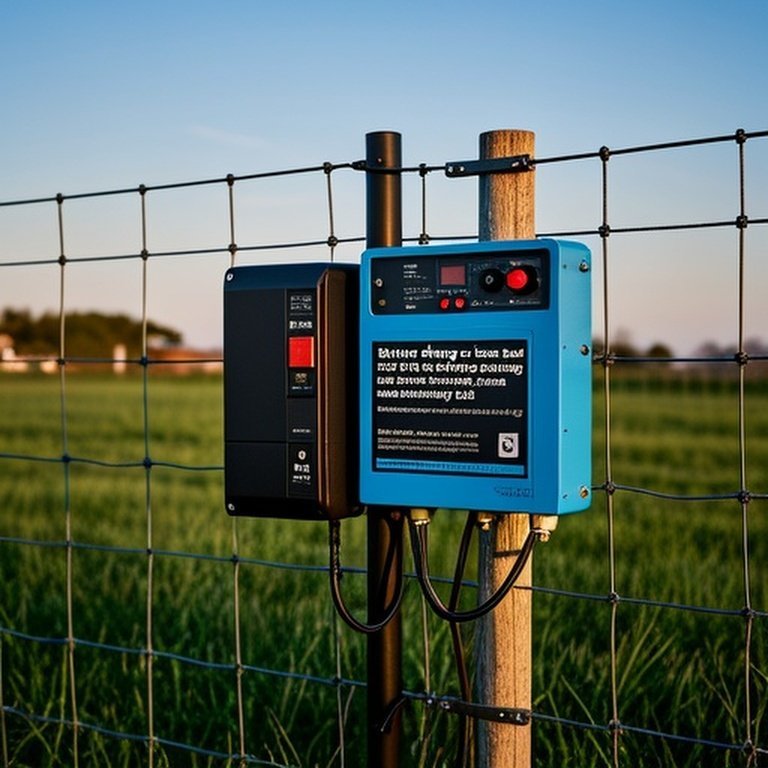
Choosing the wrong charger size is the most common reason electric fences fail. Many people rely on the “miles of fence” number on the box without understanding that it reflects ideal conditions. In reality, vegetation, poor grounding, multiple wires, and animal pressure all reduce performance. An undersized charger leads to weak shocks, livestock testing the fence, and constant troubleshooting. Oversizing slightly costs little more but dramatically improves reliability. Getting this decision right upfront saves time, frustration, and repeated upgrades later.
Key Factors to Consider
- Total fence length, including all connected runs
- Type and number of fence wires
- Livestock size, behavior, and pressure on the fence
- Vegetation contact and grounding quality
- Power source: AC, battery, or solar
Detailed Explanation
Electric fence chargers are typically marketed by the maximum fence length they can power, but this number assumes perfect conditions: clean wire, no vegetation, excellent grounding, and minimal load. Most real fences operate far from ideal. Every strand of wire, gate, connection, and weed contact increases electrical load and reduces voltage.
This is why experienced installers size chargers by capacity margin, not minimum requirement. A common rule is to select a charger rated for two to three times your actual fence length. For example, a 5-mile fence often performs best with a charger rated for 10–15 miles. This extra capacity helps maintain adequate voltage even when conditions degrade.
Output energy, measured in joules, also matters. Larger livestock, longer fences, and high-pressure situations require higher joule ratings to deliver a noticeable, memorable shock. A charger with insufficient joules may pulse but fail to deter animals consistently.
Grounding completes the circuit. Even a powerful charger will underperform if grounding is inadequate. Many “undersized charger” complaints are actually grounding problems, but proper sizing gives you more tolerance and stability overall.
Fence Length vs Real Electrical Load
Fence length alone does not represent electrical demand. Multi-wire fences, poor soil conductivity, long return paths, and frequent vegetation contact all increase load. Two fences of equal length can require very different charger sizes depending on these factors. Planning for worst-case load produces far more reliable performance.
Livestock Type and Fence Pressure
Animals differ in how much pressure they place on a fence. Cattle may respect lower voltage once trained, while goats, sheep, and predators often require stronger deterrence. High-pressure areas—such as corners, feeding zones, or shared boundaries—benefit from higher-output chargers even on shorter fences.
Power Source Limitations
AC-powered chargers generally deliver the most consistent output. Battery and solar units must balance storage, recharge cycles, and weather variability. When using solar or battery systems, oversizing becomes even more important to maintain performance during low-sun or high-demand periods.
When This Works Well
- Fence length and layout are accurately calculated
- Charger is rated well above minimum fence length
- Grounding system is properly installed
- Vegetation control is part of maintenance
When This Is Not Recommended
- Choosing the smallest charger that “matches” fence length
- Ignoring vegetation or soil conditions
- Assuming manufacturer mileage ratings reflect real use
- Powering multiple fences with minimal capacity margin
Alternatives or Better Options
Upsizing the Charger
Selecting the next size up improves reliability, reduces troubleshooting, and supports future expansion.
Multiple Chargers for Separate Zones
Large or complex properties may benefit from dividing fences across dedicated chargers.
Hybrid Systems
Combining AC power with battery backup improves resilience in outage-prone areas.
Cost / Safety / Practical Notes
The price difference between a correctly sized charger and an undersized one is usually small compared to the cost of repeated fixes, livestock escapes, or later replacement. Higher-output chargers are not inherently more dangerous when used correctly, but weak fences increase animal pressure and human intervention. From a practical standpoint, most experienced operators regret buying too small—almost none regret buying slightly larger.
📍 Video Demonstration
Quick Takeaway
When in doubt, size up—electric fence chargers perform best when they are not working at their limit.