Short Answer
You should avoid using barbed wire fencing when livestock safety, public access, or high animal pressure is a concern. It is not suitable for horses, young calves, high-traffic areas, residential boundaries, or properties requiring frequent human interaction. In these situations, barbed wire increases injury risk, maintenance costs, and liability.
Why This Question Matters
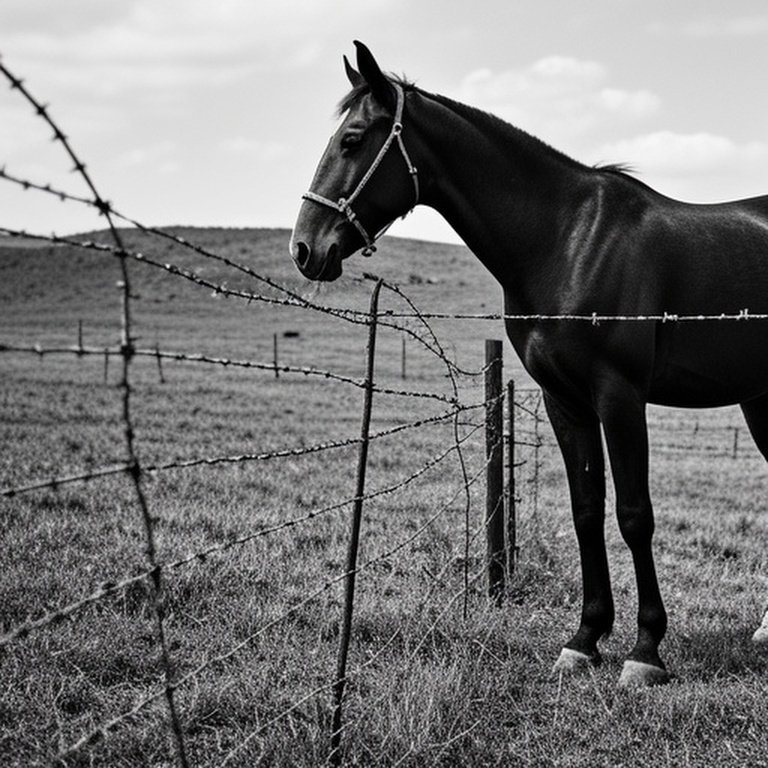
Barbed wire is often chosen because it is affordable and widely available, but it is not a universal solution. Using it in the wrong setting can lead to livestock injuries, fence failure, legal issues, and higher long-term costs than safer alternatives.
Many fencing problems do not come from poor materials, but from poor matching between fence type and real-world conditions. Knowing when not to use barbed wire helps you avoid preventable losses, protects animal welfare, and ensures your fencing system aligns with how animals, people, and land actually interact over time.
Key Factors to Consider
- Livestock species and injury sensitivity
- Animal pressure, behavior, and training level
- Human access and public visibility
- Terrain complexity and fence contact frequency
- Legal and liability exposure
Detailed Explanation
Barbed wire fencing relies on psychological deterrence rather than physical containment. When animals respect boundaries, it works well. When they do not, barbed wire becomes a liability. This is especially true for livestock prone to panic, jumping, or rubbing behavior.
Horses are the clearest example. Their thin skin, flight response, and tendency to run when startled make barbed wire a high-risk choice. Injuries from barbs are often severe, costly to treat, and avoidable with safer fencing materials.
Young or mixed-age livestock also present problems. Calves, lambs, and goats are more likely to push through, crawl under, or become entangled. Each interaction stretches wire, loosens posts, and shortens fence lifespan while increasing injury risk.
Barbed wire should also be avoided in high-contact zones—near gates, water points, corners, slopes, and feeding areas. In these locations, animals naturally bunch up, apply pressure, and test fences repeatedly. Barbed wire fails faster and causes more harm under these conditions.
Human exposure is another critical factor. Barbed wire along property lines near neighbors, roads, trails, or public access areas increases liability. Accidental contact by people, pets, or wildlife can create legal and safety issues that outweigh any cost savings.
Finally, poor terrain magnifies all risks. Rocky ground, steep slopes, wetlands, or shifting soils cause posts to loosen and wire tension to fluctuate. When barbed wire sags or snaps, it becomes more dangerous and less effective with each failure.
By this point, it should be clear: barbed wire is efficient only when conditions are controlled. Outside those conditions, it is often the wrong tool.
Video Demonstration
How Cattle Behavior Affects This Choice
Calm, trained cattle that respect fences are compatible with barbed wire. However, high-pressure cattle—such as newly introduced animals, overcrowded herds, or untrained stock—frequently test boundaries.
When cattle lean, rub, or push against barbed wire, injuries become more likely and wire fatigue accelerates. Once animals learn they can push through, the fence loses its psychological effectiveness entirely.
In these scenarios, smoother physical barriers or electric reinforcement perform better and reduce both injuries and long-term repair costs.
Calves vs Mature Cattle Considerations
Calves are especially problematic for barbed wire fencing. Their smaller size allows them to slip between strands or under the bottom wire, often catching legs, necks, or hides on barbs.
Even when injuries are minor, repeated contact loosens staples and clips, causing early fence failure. Retrofitting fences later to accommodate calves is almost always more expensive than choosing a safer design from the start.
If calves are part of your operation, barbed wire alone is rarely the best option.
Terrain, Visibility, and Pressure Zones
Barbed wire performs poorly in areas where animals cannot clearly see the fence or where terrain forces frequent contact. Slopes, corners, gullies, and shaded areas create pressure zones that concentrate stress.
Low visibility increases accidental contact, while pressure zones increase pushing and rubbing. In these areas, barbed wire causes more harm and fails faster than alternatives designed for physical containment or deterrence.
When This Works Well
- Calm, well-trained cattle
- Large, open pastures with low pressure
- Interior fencing away from public access
- Flat or gently rolling terrain
- Low-contact boundary applications
When This Is Not Recommended
- Horses or equine facilities
- Calves, goats, or mixed-age livestock
- Near roads, trails, or neighboring properties
- High-traffic or feeding areas
- Steep, rocky, or unstable terrain
Alternatives or Better Options
Woven wire fencing
Provides physical containment and improved safety for young animals and horses.
High-tensile smooth wire with electric
Reduces injury risk while maintaining long spans and durability.
Electric fencing systems
Excellent for behavior control with minimal physical contact, especially in high-pressure zones.
Cost, Safety, and Practical Notes
Barbed wire may appear cheaper upfront, but using it in the wrong application often increases total cost over time. Veterinary bills, fence repairs, liability exposure, and premature replacement quickly erase initial savings.
From a safety standpoint, avoiding barbed wire in high-risk areas protects both animals and people. From a practical standpoint, matching fence type to behavior, terrain, and access patterns produces longer-lasting, lower-stress fencing systems.
The most expensive fence is not the one that costs more to build—it’s the one that has to be rebuilt or paid for twice.
Quick Takeaway
Avoid barbed wire fencing when safety, pressure, visibility, or liability matter. It works best in controlled, low-contact environments—and becomes a costly mistake everywhere else.