Short Answer
You should repair a fence when damage is localized and the overall structure remains stable. Replacement becomes the better option when posts are rotting widely, wire tension cannot be maintained, or repair costs approach 40–60% of full replacement. The decision depends on structural integrity, age, soil conditions, and long-term containment needs.
Why This Question Matters
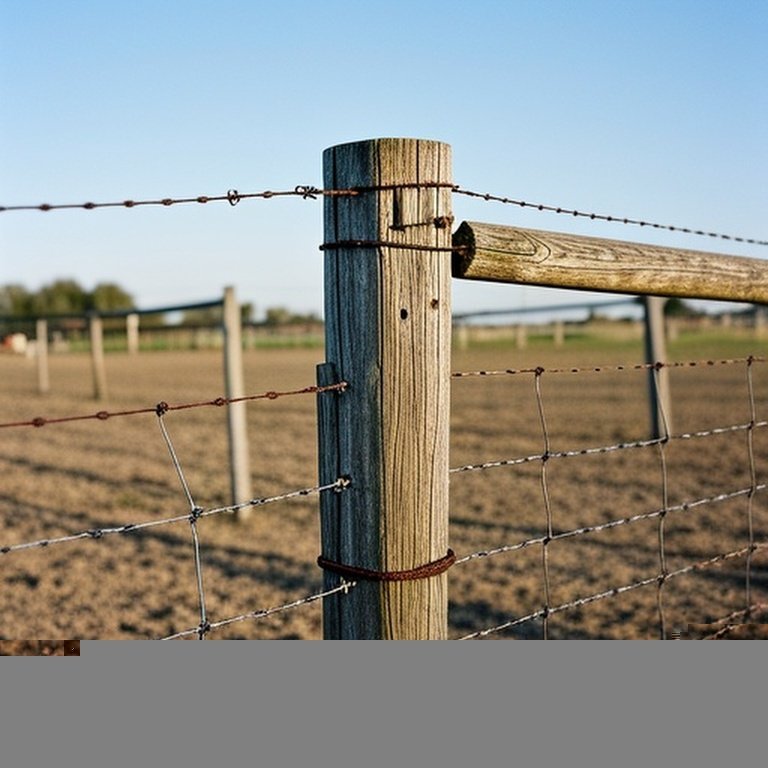
Fence repair decisions directly affect safety, livestock containment, and long-term costs. Repeated short-term fixes on a failing structure often cost more over time than rebuilding it properly once. On the other hand, replacing an entire fence when only minor sections are damaged wastes money and labor.
Farm fences operate under constant stress from tension, weather, soil movement, and animal pressure. Understanding when a fence has reached the end of its service life prevents recurring breakdowns, livestock escapes, and escalating maintenance cycles. A clear evaluation framework helps you choose the most economical and structurally sound path.
Key Factors to Consider
- Percentage of posts showing rot or instability
- Ability to restore and maintain proper wire tension
- Age and expected lifespan of materials
- Soil erosion or drainage problems along fence line
- Labor and material cost comparison
Detailed Explanation
Fence systems fail progressively rather than suddenly. Early-stage damage typically appears as isolated leaning posts, sagging wire sections, or storm-related breaks. In these cases, repair is usually sufficient. Reinforcing corner posts, replacing a few line posts, or re-tensioning wire can restore structural integrity at a fraction of replacement cost.
However, when more than one-third of posts show rot or movement, structural weakness becomes systemic. Repairing isolated sections will not solve the underlying degradation. Wire tension becomes uneven, corners continue to lean, and maintenance frequency increases. This pattern signals that the fence is nearing the end of its practical lifespan.
Another indicator is soil condition. If erosion or poor drainage has compromised large portions of the fence line, repeated repairs will fail unless the base issue is addressed. In such cases, replacement combined with proper grading or drainage correction is more effective.
Finally, cost analysis matters. If projected repair expenses approach half the cost of rebuilding, replacement typically provides better long-term value. A new fence offers improved structural design, upgraded materials, and reduced maintenance cycles over the next decade.
A repair makes sense when the structure is fundamentally sound. Replacement is justified when the structure itself is compromised.
How Cattle Behavior Affects This Choice
Cattle place constant pressure on fence lines, especially near corners and feeding areas. If repair does not eliminate leaning or weak bracing, animals will continue exploiting those weak points. In high-pressure zones, systemic weakness often favors replacement over repeated fixes.
Calves vs Mature Cattle Considerations
Calves test small gaps and weak lower wires. Mature cattle exert heavy lateral pressure. If repairs cannot restore consistent tension across all wire levels, especially the bottom strands, long-term containment reliability decreases. Replacement may be safer in mixed-age herds.
Terrain, Visibility, and Pressure Zones
Fences located on slopes or near water sources deteriorate faster due to soil movement. If terrain-driven instability affects long stretches of fence, localized repair may not hold. In stable terrain with isolated damage, targeted repair is usually sufficient.
When Repair Works Well
- Damage is isolated to specific posts or sections
- Wire remains structurally reusable
- Corner braces remain stable
- Soil foundation is intact
- Fence is relatively young
When Replacement Is Recommended
- Widespread post rot or termite damage
- Multiple leaning corners
- Wire corrosion across long sections
- Frequent recurring repairs
- Repair costs approach half of rebuild cost
Alternatives or Better Options
Partial Line Replacement
Replace only the weakest 30–50% of the fence while preserving stable sections. This balances cost and longevity when deterioration is uneven.
Upgrade During Replacement
If rebuilding, consider upgrading to heavier posts, improved bracing, or high-tensile systems to extend lifespan and reduce future maintenance.
Reinforce and Reassess Plan
Perform structural reinforcement and monitor performance for one season before committing to full replacement if uncertainty exists.
Cost, Safety, and Practical Notes
Repair appears cheaper upfront, but frequent maintenance adds hidden labor costs. Replacement requires higher immediate investment but often lowers maintenance over 10–15 years.
Safety is critical during evaluation. Old wire under tension can snap when manipulated. Always release tension gradually before major repair. Structural collapse during bracing work is possible if posts are severely compromised.
Consider livestock escape risk. If failure would create significant safety or liability issues, replacement provides greater security.
Quick Takeaway
Repair your fence when damage is isolated and structure remains strong. Replace it when deterioration is widespread, tension cannot be maintained, or repair costs approach half the rebuild price. The right choice depends on structural integrity, soil stability, and long-term containment goals—not just short-term cost.