Short Answer
High-tensile wire fencing generally lasts the longest outdoors, often 30–40 years or more when properly installed and maintained. Its longevity comes from high-strength steel, heavy galvanization, and flexibility under pressure. Woven wire ranks next, while welded wire and barbed wire typically have shorter outdoor lifespans due to fatigue, corrosion, or injury-related damage.
Why This Question Matters
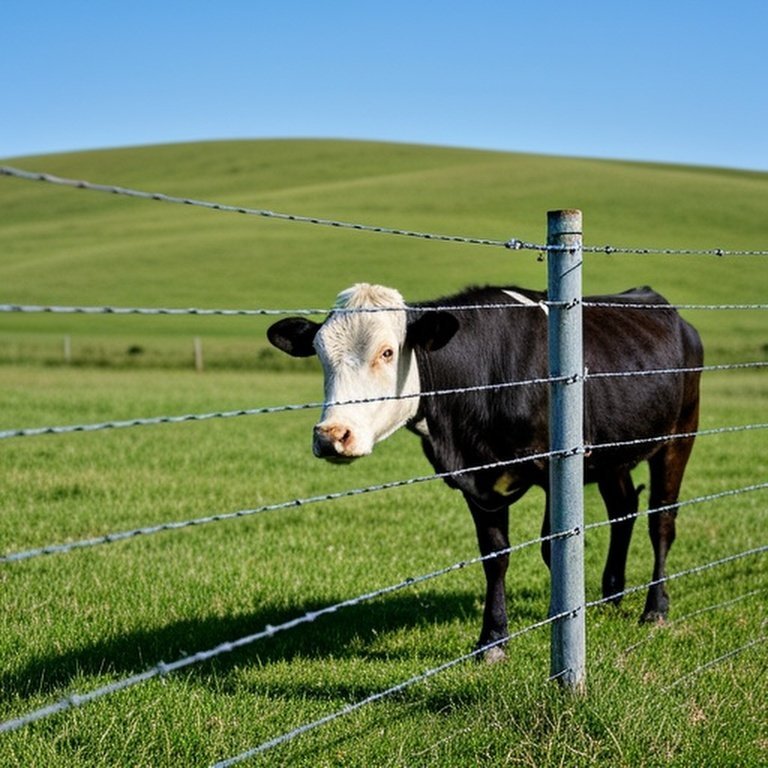
Fence lifespan determines total cost of ownership far more than purchase price. A fence that lasts twice as long is usually cheaper over time—even if it costs more upfront. Many livestock owners replace fencing early because the material was mismatched to pressure, terrain, or climate. This question matters because “longest lasting” is not just about rust resistance; it also includes how the fence handles livestock pressure, installation errors, and environmental stress. Choosing the longest-lasting option reduces repairs, labor, and operational disruption over decades.
Key Factors to Consider
- Wire steel quality and galvanization thickness
- Ability to flex under livestock pressure
- Post spacing and corner bracing design
- Climate, moisture, and soil conditions
- Maintenance requirements and inspection frequency
Detailed Explanation
High-tensile wire fencing lasts the longest outdoors because it is engineered to resist both corrosion and mechanical fatigue. The wire is made from high-carbon steel and heavily galvanized, which slows rust even in harsh climates. More importantly, high-tensile systems flex under pressure and return to shape, preventing metal fatigue that shortens lifespan in rigid fencing.
Woven wire fencing typically ranks second in longevity. Its woven structure allows it to absorb pressure by distributing force across many wires. While it uses more steel and slightly thinner coatings than high-tensile systems, it tolerates livestock behavior well and fails gradually rather than catastrophically. Properly installed woven wire often lasts 20–30 years.
Welded wire fencing generally has a shorter lifespan outdoors. Although it may use heavy-gauge wire, its welded intersections are rigid stress points. Repeated livestock pressure and thermal expansion cause weld fatigue, especially in high-pressure areas. Corrosion often begins at welds, limiting long-term durability even with good coatings.
Barbed wire typically has the shortest lifespan among common wire fences. Thin wire, lighter galvanization, and frequent animal contact accelerate wear. Barbed wire may last 10–20 years depending on climate and pressure, but it is more prone to stretching, breakage, and safety-related replacements.
The short answer holds because longevity depends on how a fence manages force over time, not just how thick the wire looks. Flexibility plus corrosion resistance produces the longest-lasting fencing outdoors.
How Livestock Behavior Affects This Choice
Livestock pressure is the biggest lifespan multiplier—or reducer. Animals lean, rub, and crowd against fences repeatedly, often in the same locations. Flexible systems like high-tensile wire absorb this force without permanent deformation, preserving wire integrity.
Rigid systems accumulate stress at fixed points. Welded wire welds and barbed wire twists fatigue faster under constant contact. Even excellent coatings cannot prevent mechanical failure if pressure is not managed. Operations with calm, trained livestock extend fence life regardless of material, while high-pressure herds shorten it dramatically.
Calves vs Mature Cattle Considerations
Young livestock exert less force, allowing most fence types to last longer. Welded or woven wire can perform well for years in calf operations.
As animals mature, pressure increases sharply. Fences that worked well early may degrade quickly. High-tensile systems scale best across life stages, maintaining lifespan as livestock grow. Planning for maturity is critical when “longest lasting” truly means decades.
Terrain, Visibility, and Pressure Zones
Flat terrain supports longer fence life by maintaining even tension and drainage. Uneven terrain creates stress points and ground contact issues that shorten lifespan.
Pressure zones—corners, gates, feeding areas—determine real-world durability. Reinforcement in these zones often matters more than fence type. Even the longest-lasting wire fails early if pressure zones are ignored.
When This Works Well
- High-tensile wire for long perimeter fencing
- Large pastures with consistent livestock behavior
- Dry or well-drained climates
- Operations with proper installation capability
- Situations prioritizing multi-decade lifespan
When This Is Not Recommended
- High-tensile without skilled installation
- Welded wire in high-pressure areas
- Barbed wire where injuries drive replacements
- Poorly drained or corrosive environments
- Low-maintenance operations ignoring inspections
Alternatives or Better Options
Combination systems often extend lifespan beyond any single fence type. High-tensile wire paired with electric offsets reduces contact and wear. Woven wire with electric deterrents lasts longer by minimizing pressure. In small enclosures, non-wire materials may outlast wire entirely. The best long-term solution is often layered, not singular.
Cost, Safety, and Practical Notes
High-tensile wire offers the lowest lifetime cost due to long service life, despite higher installation precision. Woven wire balances durability and forgiveness but costs more upfront. Welded wire and barbed wire often appear cheaper but require earlier replacement. From a safety standpoint, longer-lasting fences reduce injury-driven rebuilds. Practically, lifespan should be evaluated over decades, not years—especially for perimeter fencing.
Quick Takeaway
If longevity is the priority, high-tensile wire lasts the longest outdoors when installed correctly. Woven wire follows closely, while welded and barbed wire trade lifespan for simplicity or lower upfront cost. The longest-lasting fence is the one that flexes, resists rust, and matches real livestock pressure.