Short Answer
In most jurisdictions, both property owners are responsible for maintaining a shared fence when it sits on the property line, unless a written agreement or local law states otherwise. Responsibility is typically shared for repairs, upkeep, and safety, regardless of who originally built or paid for the fence.
Why This Question Matters
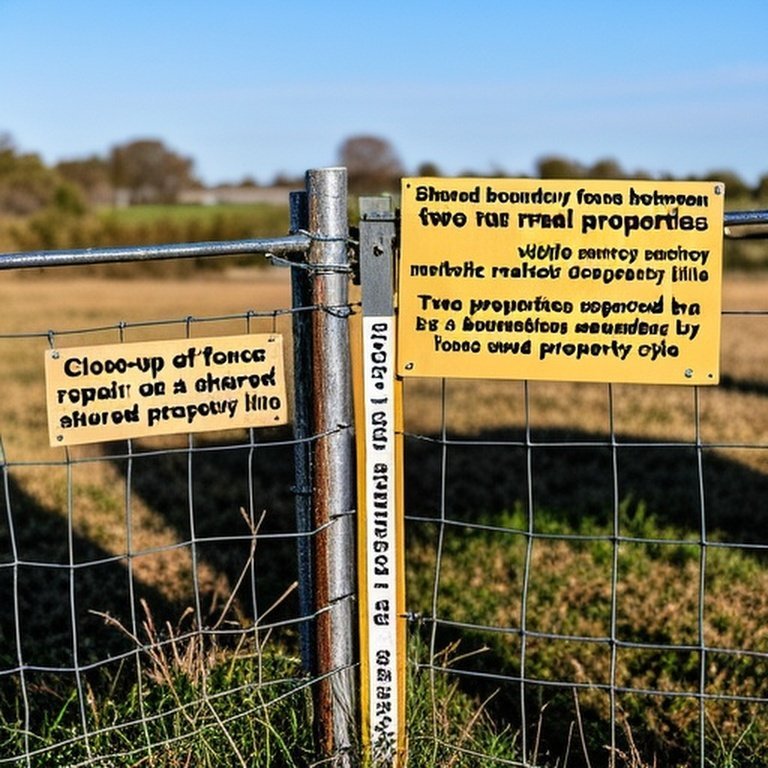
Shared fence maintenance is a frequent source of conflict between neighbors, especially when repairs become necessary or livestock safety is involved. Many owners assume the person who built the fence must maintain it forever, while others believe shared fences require no action unless both parties agree. These assumptions are often wrong. When maintenance responsibilities are unclear, fences deteriorate, livestock escape, safety risks increase, and disputes escalate. The cost of misunderstanding responsibility can include forced repairs, legal notices, or strained long-term neighbor relationships.
Key Factors to Consider
- Whether the fence is legally classified as a boundary fence
- Local laws governing shared or partition fences
- Existence of written maintenance agreements
- Historical use and upkeep patterns
- Fence purpose, including livestock containment or safety
Detailed Explanation
A shared fence—often called a boundary or partition fence—is typically one that sits directly on the property line and serves both properties. In many regions, laws presume that both neighbors share responsibility for maintaining such fences. This includes routine repairs, preventing hazards, and keeping the fence functional for its intended purpose.
Responsibility is not always evenly split in practice. Some local laws require each owner to maintain the portion of the fence facing their property, while others treat the fence as a single shared structure with joint obligations. Payment history alone does not usually determine responsibility. Even if one neighbor originally paid for installation, maintenance duties may still be shared once the fence functions as a boundary.
Written agreements can override default rules. If neighbors have a documented agreement assigning maintenance duties or cost-sharing terms, that agreement generally controls. In the absence of documentation, courts and authorities often look at historical behavior—such as who repaired the fence or relied on it for livestock containment.
When disputes arise, failure to maintain a shared fence can expose an owner to liability, especially if neglect leads to property damage or animal escape. The key principle remains consistent: shared use creates shared responsibility, unless clearly defined otherwise.
How Local Fence Laws Shape Responsibility
Many rural and agricultural areas have specific boundary fence statutes. These laws may require neighbors to contribute equally to repairs or allow one party to perform repairs and seek reimbursement. Understanding whether such statutes apply is essential, as they can impose obligations even when a neighbor refuses to cooperate. Ignoring these rules can lead to enforcement action or legal claims.
When One Neighbor Uses the Fence More
Usage can influence disputes but does not always change legal responsibility. Even if only one property uses the fence for livestock, it may still be considered shared if it sits on the boundary. However, disproportionate use often becomes a negotiation point, especially for upgrades or specialized fencing like electric wire. Clear communication matters in these situations.
Maintenance Versus Modification
Routine maintenance is usually allowed under shared responsibility, but modifications—such as changing fence type, height, or electrification—often require mutual consent. Making unilateral changes to a shared fence can trigger disputes even when maintenance obligations are shared.
When This Works Well
- Both owners acknowledge the fence as shared
- Maintenance expectations are clearly discussed
- Repairs are routine and safety-focused
- Local laws provide clear guidance
When This Is Not Recommended
- No agreement exists and neighbors disagree
- One party refuses all maintenance participation
- Fence changes are needed beyond basic repairs
- Livestock safety depends on immediate action
Alternatives or Better Options
Formal Maintenance Agreements
A simple written agreement can clarify cost-sharing, repair authority, and future modifications.
Relocating to a Private Fence
Building a new fence inside your boundary provides full control and eliminates shared responsibility.
Interior Livestock Fencing
Using interior fencing reduces reliance on shared boundary fences for containment.
Cost / Safety / Practical Notes
Shared fence maintenance often costs less upfront but can become expensive when cooperation breaks down. Delays in repair can lead to livestock escape, property damage, or injury—especially with tensioned or electric fencing. Practically, shared fences limit flexibility: upgrades, materials, and timing may all require agreement. Over time, many landowners find that the predictability of private fences outweighs the shared cost savings.
📍 Video Demonstration
Quick Takeaway
If a fence is shared, maintenance responsibility is usually shared too—unless a clear agreement or local law says otherwise.