Short Answer
In most jurisdictions, a fence built exactly on the property line is considered jointly owned by both property owners, unless a written agreement or local law states otherwise. If the fence is built entirely on one side of the line, it is typically owned by that property owner alone.
Why This Question Matters
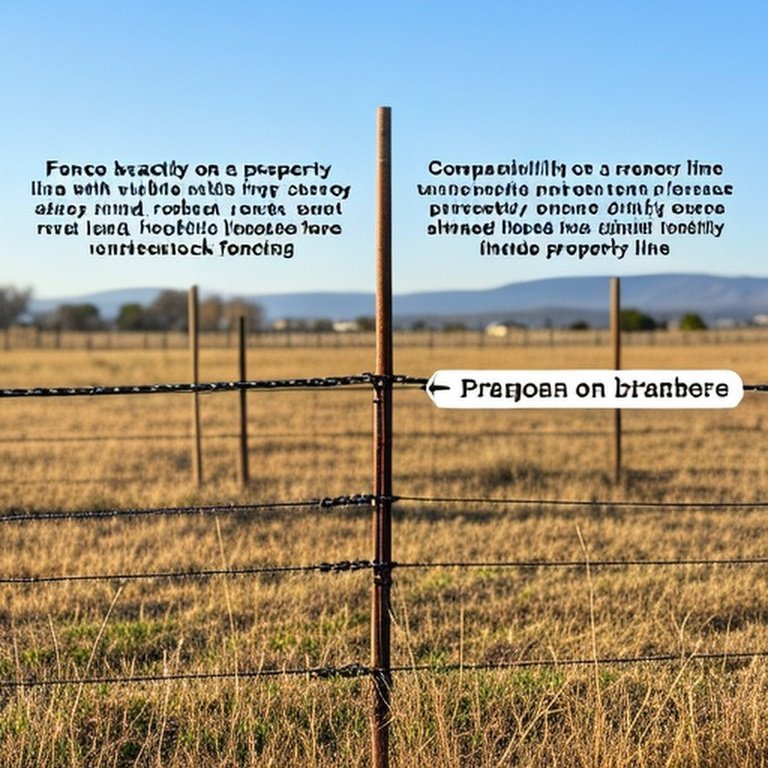
Fence ownership is one of the most misunderstood issues in property management, especially for rural and livestock landowners. Many people assume that whoever paid for the fence automatically owns it, which is often incorrect when the fence sits on a boundary line. This misunderstanding can lead to disputes over maintenance, repairs, modifications, or removal. Ownership confusion becomes costly when livestock containment, safety upgrades, or neighbor disagreements arise. Getting this wrong can result in legal conflict, forced cost-sharing, or loss of control over a fence you rely on.
Key Factors to Consider
- Exact fence placement relative to the surveyed property line
- Local laws defining boundary or partition fences
- Existence of written agreements between neighbors
- Historical use and maintenance of the fence
- Fence purpose: boundary marker versus livestock control
Detailed Explanation
Fence ownership is primarily determined by location, not payment. When a fence is constructed directly on a surveyed property line, many states and counties classify it as a boundary fence or partition fence. In these cases, both neighbors may share ownership rights and responsibilities, even if only one party paid for installation. This shared status can affect who is allowed to repair, modify, replace, or remove the fence.
If a fence is built entirely within one property’s boundary—even a few inches inside—it is generally considered privately owned. That owner typically has full authority over maintenance and design, provided the fence complies with local codes. This is why many landowners intentionally offset fences slightly inward to avoid shared ownership.
Historical behavior can also influence ownership interpretation. If both neighbors have maintained, relied on, or treated the fence as shared over time, it may be legally viewed as jointly owned regardless of who installed it. In rural settings, especially where livestock containment is involved, these assumptions are common and often undocumented.
Ultimately, ownership rules vary by jurisdiction, but the default principle is consistent: on the line means shared; inside the line means private, unless proven otherwise.
How Local “Boundary Fence” Laws Affect Ownership
In many agricultural and rural regions, local laws explicitly define boundary fences as shared structures. These laws may require neighbors to split maintenance costs or allow each party limited rights to repair or replace the fence. Even if one owner no longer benefits from the fence, they may still carry legal responsibility unless an agreement releases them. Understanding whether your area enforces boundary fence statutes is critical before assuming full ownership or making unilateral changes.
The Role of Written Agreements and Past Use
Written fence agreements between neighbors override most default ownership assumptions. These agreements can assign full ownership, divide responsibilities, or clarify rights to modify the fence. In the absence of documentation, courts may look at historical use—such as who repaired the fence, who used it for livestock, or whether both sides relied on it as a boundary. Long-term shared use can unintentionally convert a private fence into a shared one.
Fence Purpose and Its Impact on Ownership Perception
A fence built strictly for livestock containment may still be treated as a boundary fence if it sits on the property line. However, its functional role can influence expectations and disputes. Neighbors may assume shared ownership simply because the fence defines the visible boundary, even if that was not the builder’s intent. Purpose alone does not determine ownership, but it strongly affects how conflicts arise.
When This Works Well
- Fence ownership is clearly defined by survey and placement
- Written agreements exist between neighboring owners
- Both parties understand maintenance responsibilities
- Fence placement aligns with local boundary fence laws
When This Is Not Recommended
- Fence location is uncertain or poorly surveyed
- No agreement exists and neighbor relations are strained
- Fence modifications may affect livestock safety
- Local laws strongly enforce shared boundary obligations
Alternatives or Better Options
Building Slightly Inside the Property Line
This approach preserves full ownership and decision-making authority while avoiding shared legal responsibility.
Formal Fence Agreements
A simple written agreement can clarify ownership, maintenance duties, and modification rights before conflicts arise.
Separate Perimeter and Interior Fencing
Using interior fencing for livestock reduces reliance on boundary fences and limits neighbor involvement.
Cost / Safety / Practical Notes
Shared fence ownership can create unexpected costs. Repairs, upgrades, or safety improvements may require neighbor consent or cost-sharing. Delays can increase livestock risk, especially if a fence fails. From a safety standpoint, disagreements over electric fencing, wire type, or height can expose animals or people to hazards. Practically, shared fences reduce flexibility—any future changes may involve negotiation. Over time, this lack of control often outweighs the initial savings of building directly on the property line.
📍 Video Demonstration
Quick Takeaway
If a fence sits on the property line, assume it is shared unless proven otherwise. If you want full control, place the fence clearly inside your boundary and document it.