Short Answer
A weak electric fence shock is usually caused by energy loss somewhere in the system. This happens when voltage is reduced before reaching the fence line, making the shock feel mild instead of sharp. Even if the energizer is working, poor grounding, electrical leakage, or fence load issues can significantly weaken the shock animals receive.
Why This Question Matters
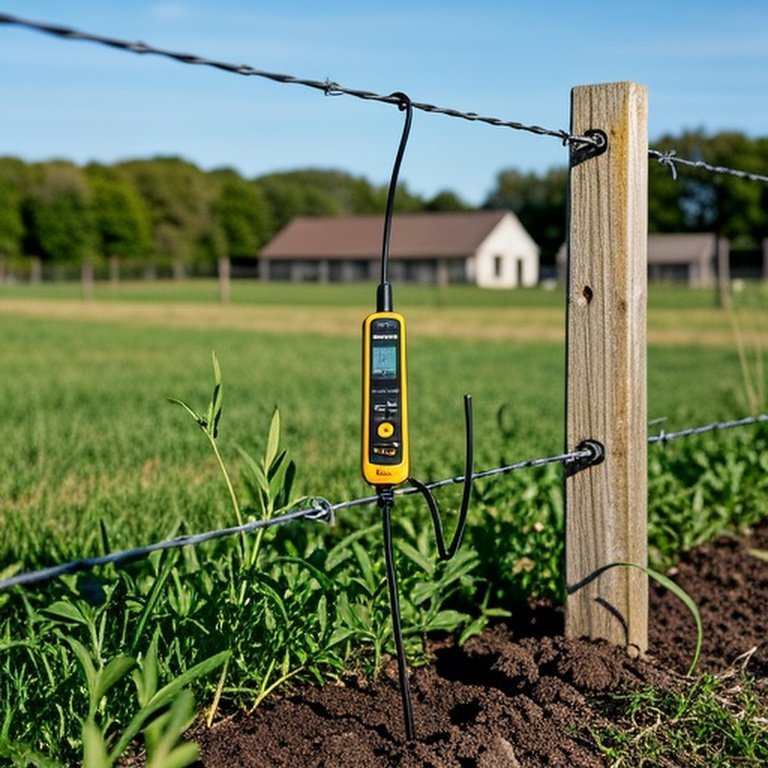
A weak shock is one of the most misleading electric fence problems because the fence often appears “on” and functional. Many fence owners assume animals will still respect it, only to find livestock testing or ignoring the fence entirely. This can quickly lead to escapes, damaged fencing, or predator access. Another common misunderstanding is judging fence strength by touching it briefly or hearing a pulse click. In reality, a fence that feels weak to humans may be nearly useless for animals with thick hair, dry hooves, or high tolerance. Misjudging this issue often leads to repeated repairs without solving the real cause.
Key Factors to Consider
- Overall voltage reaching the fence compared to energizer output rating
- Quality and effectiveness of the grounding system under current soil conditions
- Energy loss caused by vegetation, wire contact, or insulation failures
- Fence length, wire type, and total electrical load on the energizer
- Animal type, hair density, and contact consistency with the fence
Detailed Explanation
An electric fence shock feels strong when enough voltage and energy reach the animal at the moment of contact. When the shock feels weak, the problem is rarely the fence wire itself and more often a system-level energy loss. The energizer may still pulse normally, but voltage is being drained before it reaches the point of contact. This results in a sensation that is noticeable but not convincing, especially for livestock accustomed to testing boundaries.
One of the most common reasons for weak shock sensation is poor grounding. The electric fence circuit relies on current traveling through the animal and back into the ground system. If the soil is dry, rocky, frozen, or the ground rods are insufficient, the return path is restricted. This doesn’t always lower voltage readings dramatically, but it reduces the actual energy delivered during contact, which is what animals respond to.
Another frequent cause is electrical leakage along the fence line. Vegetation touching the wire, cracked insulators, damp posts, or wire rubbing against metal gates can slowly bleed energy away. Individually these leaks seem minor, but across long fence runs they significantly weaken the pulse. The fence still “works,” but the shock no longer has the sharp, memorable snap required for effective containment.
Fence design and animal factors also play a role. Long fences, multiple strands, or poor connections increase load on the energizer. At the same time, animals with thick coats, dry hooves, or light contact may not complete the circuit well. The result is a fence that technically functions but fails behaviorally, which is often more dangerous than a fence that is completely off.
Grounding Quality and Shock Perception
Grounding has a direct impact on how strong an electric fence shock feels, even when voltage readings seem acceptable. A fence can show thousands of volts on a tester yet still deliver a weak sensation if the ground system cannot carry current efficiently. This is especially common during dry seasons, winter freezes, or in sandy and rocky soils. Animals experience shock strength through energy transfer, not voltage alone, so a compromised ground return reduces the effectiveness of each pulse. In many cases, improving grounding dramatically increases shock strength without changing the energizer or fence wire.
Fence Load and Energy Distribution
Fence load determines how much energy the energizer must supply to maintain a strong shock. Longer fence lines, additional wire strands, or poorly joined connections increase resistance and drain power. Temporary fences connected to permanent systems often add unexpected load. When the energizer operates near its limit, shock intensity drops evenly across the fence, making the entire system feel weak rather than showing a single fault. Understanding total fence load helps explain why a system that once worked well becomes ineffective after gradual expansion.
Animal Contact and Shock Effectiveness
The way animals contact the fence affects how the shock feels to them. Thick hair, wool, feathers, or dry hooves reduce electrical conduction. Animals that lightly brush the fence may receive only a partial pulse, even when voltage is adequate. This explains why some animals ignore fences that appear functional while others respond strongly. Fence height, wire spacing, and training history influence whether animals experience the shock as meaningful or easily tolerated.
When This Works Well
- The energizer is properly sized for the fence length and total wire load
- Ground rods are sufficient for soil conditions and remain moist when possible
- Fence lines are kept clear of vegetation and electrical contact points
- Animals have consistent contact with the fence wire during approach
- The system is checked periodically rather than only after failures occur
When This Is Not Recommended
- Relying on a small energizer for long or multi-strand fence systems
- Using minimal grounding in dry, rocky, or frozen soil environments
- Allowing heavy vegetation growth along electrified wires
- Expecting light shock sensation to deter determined or predator species
- Expanding fence systems without reevaluating power and grounding capacity
Alternatives or Better Options
In situations where weak shock persists, upgrading the grounding system is often the most effective improvement. Adding additional ground rods or switching to a ground-return fence design can dramatically increase shock strength without changing the energizer. For large or complex systems, a higher-joule energizer may be necessary to maintain energy delivery under load. In high-pressure areas, combining electric fencing with physical barriers can improve reliability while reducing dependence on shock intensity alone.
Cost / Safety / Practical Notes
Improving shock strength does not always require expensive upgrades, but it does require targeted adjustments. Ground rods are relatively low-cost compared to energizers and often provide the biggest performance improvement. Larger energizers consume more power and may require better electrical supply or battery capacity, which increases operating costs. From a safety perspective, stronger shocks must still comply with local electric fence regulations and manufacturer guidelines. Modern energizers are designed to be safe, but improper grounding or wiring can create unpredictable behavior. Regular testing, seasonal adjustments, and gradual system scaling offer the best balance between effectiveness, cost, and long-term safety.
📍 Video Demonstration
Quick Takeaway
If an electric fence shock feels weak, the problem is almost always energy loss rather than a dead system. Grounding, electrical leakage, fence load, and animal contact all influence how strong the shock feels in real-world conditions. Fixing the weakest link usually restores effectiveness without rebuilding the entire fence.