Short Answer
If an electric fence is not working at all, the most common causes are power supply failure, poor grounding, broken or disconnected fence lines, or a direct short to the ground. In most cases, the issue is not the energizer itself but a grounding or wiring problem that prevents voltage from completing the circuit.
Why This Question Matters
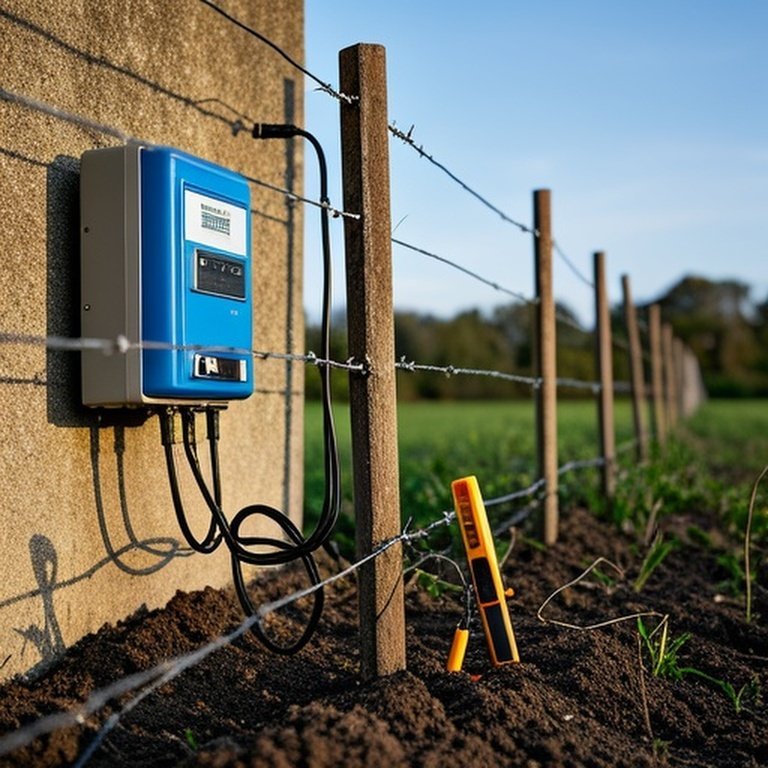
When an electric fence completely stops working, it creates immediate risk. Livestock can escape, predators can enter, and property damage or safety issues can occur within hours. Many fence owners assume the charger is broken and replace it unnecessarily, wasting money while the real problem remains. This question matters because a “dead fence” is usually caused by a simple, fixable issue—but only if you know where to look first. Misdiagnosing the problem often leads to repeated failures, weak fence performance, and loss of confidence in electric fencing as a system.
Key Factors to Consider
- Power source reliability, including outlet power, batteries, and solar charge levels
- Grounding system condition and soil contact effectiveness
- Fence line continuity, including breaks, loose connections, or missing jumpers
- Unintended grounding caused by vegetation, metal posts, or fallen wires
Detailed Explanation
When an electric fence is completely non-functional, the problem almost always lies in the electrical circuit being interrupted. An electric fence works as a closed loop: power leaves the energizer, travels through the fence wire, passes through the animal, and returns through the ground system. If any part of this loop fails, the fence appears “dead.” The most common failure point is grounding. Without adequate ground rods driven into moist soil and properly connected, electricity cannot return to the energizer, even if voltage is being produced.
Another frequent cause is loss of power at the energizer itself. This can be as simple as a tripped outlet, a dead battery, or a solar panel that has not been charging. Many users check the fence line first but forget to confirm whether the energizer is actually producing output. Testing directly at the energizer terminal is the fastest way to eliminate this variable before inspecting the fence.
Fence line damage is another major contributor. Broken wires, loose connectors, cracked insulators, or disconnected gate handles can stop current from flowing altogether. Even one missing jumper wire between fence sections can disable an entire system. In long or multi-zone fences, these issues are especially easy to miss and often occur after storms, animal pressure, or maintenance work.
Finally, direct shorts to ground can completely drain power from the fence. Heavy vegetation, fallen branches, metal posts touching live wire, or buried fence sections can all cause the voltage to collapse. In these cases, the energizer may still be working, but all energy is being discharged into the ground before it reaches the fence perimeter. Identifying and isolating these shorts is essential to restoring full operation.
How Power Source Issues Affect Fence Failure
A fence that stops working entirely often traces back to its power source. Plug-in energizers rely on consistent outlet power, which can be interrupted by tripped breakers or faulty extension cords. Battery-powered systems may appear fine externally while internally depleted. Solar energizers are especially sensitive to shading, panel angle, and battery health. Even a high-quality energizer cannot function if it lacks consistent input power. Verifying the power source should always be the first diagnostic step before touching the fence line itself.
How Grounding Failures Shut Down Electric Fences
Grounding is the most misunderstood part of electric fencing. A fence with poor grounding may show zero effective shock even if voltage is present on the wire. Dry soil, sandy ground, or too few ground rods dramatically reduce performance. Ground rods that are too short or improperly clamped can also fail silently. In many “dead fence” cases, improving grounding alone restores full function without changing any other components.
How Fence Line Breaks and Shorts Cause Total Failure
Fence continuity matters more than most people realize. A single broken wire, disconnected joint, or collapsed gate handle can stop electricity from traveling through the system. Similarly, direct shorts caused by vegetation or metal contact can drain power instantly. These issues often develop gradually but present as sudden failure. Regular visual inspection and sectional testing help pinpoint these problems quickly.
When This Works Well
- Systems with clearly separated fence zones and test points
- Installations with proper grounding sized to energizer output
- Fences with minimal vegetation contact and regular maintenance
- Setups where the energizer can be tested independently from the fence
When This Is Not Recommended
- Very long fences powered by undersized energizers
- Dry or rocky soil without supplemental grounding methods
- Temporary fences exposed to heavy animal pressure
- Installations without surge protection or lightning grounding
Alternatives or Better Options
In some cases, upgrading the grounding system is more effective than replacing the energizer. Adding additional ground rods or switching to a ground-return fence design can dramatically improve reliability. For remote locations, a higher-capacity solar energizer with a larger battery reserve may prevent repeated failures. Dividing large fences into independently powered zones can also reduce total system downtime when issues occur.
Cost / Safety / Practical Notes
Most “dead fence” problems can be fixed at little or no cost if diagnosed correctly. Ground rods, clamps, and jumper wires are inexpensive compared to replacing energizers unnecessarily. Always turn off the energizer before handling fence wires to avoid injury. Use a proper fence tester rather than relying on physical contact or visual inspection. From a long-term perspective, investing in better grounding and routine maintenance saves far more money than reactive repairs after failures occur.
📍 Video Demonstration
Quick Takeaway
If your electric fence is not working at all, start at the energizer, then check grounding, and only then inspect the fence line. Most total failures are caused by grounding or connection issues—not a bad charger.