Short Answer
Low electric fence voltage is usually caused by poor grounding, power loss along the fence line, vegetation contact, or an undersized energizer. Even a small fault—like a loose connection or dry soil around ground rods—can drop voltage enough to make the fence ineffective. Fixing the weakest point in the system typically restores proper voltage.
Why This Question Matters
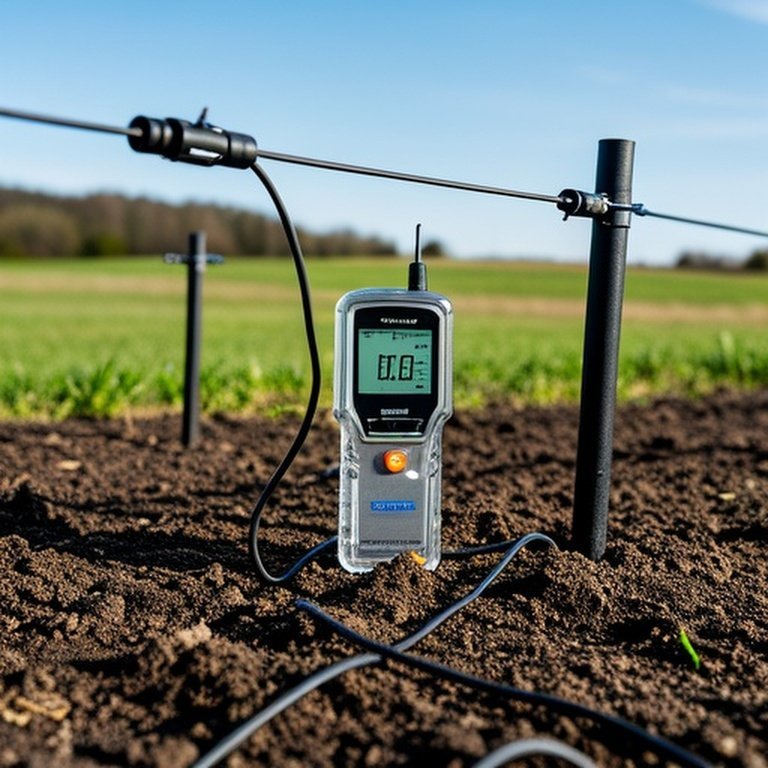
Low fence voltage is one of the most common—and most frustrating—electric fence problems. From the outside, everything may look intact: the charger is on, wires are connected, and posts are standing. Yet animals begin pushing through the fence, predators test it without hesitation, or voltage testers show weak or inconsistent readings. Many fence owners assume the energizer is faulty and replace it unnecessarily, wasting money and time. In reality, most low-voltage issues come from installation or maintenance problems that compound over time. Understanding why voltage drops happen helps you restore fence performance quickly and avoid recurring failures.
Key Factors to Consider
- Grounding system quality and soil moisture around ground rods
- Vegetation, weeds, or debris contacting live fence wires
- Total fence length and number of connected fence lines
- Wire type, splices, and connection integrity
- Energizer size relative to fence load and conditions
Detailed Explanation
Electric fence voltage drops when electrical energy leaks out of the system before completing its circuit. The most common leakage point is inadequate grounding. Electric fences rely on the earth to carry current back to the energizer, and if ground rods are too few, too shallow, or installed in dry or rocky soil, the return path becomes weak. When animals touch the fence, they receive only a mild pulse instead of a strong deterrent, even if the charger itself is working properly.
Another major cause of low voltage is fence line contact. Grass, weeds, fallen branches, or even damp soil touching the wire constantly draw power away from the system. This load accumulates across long fence runs, reducing voltage everywhere—not just near the contact point. High-tensile and multi-wire fences are especially sensitive, because a single problem can affect hundreds or thousands of feet of fence.
Poor connections also play a significant role. Loose clamps, corroded splices, undersized lead-out wire, or incompatible metal connections increase electrical resistance. Over time, weather exposure worsens these weak points, silently bleeding voltage. Many fence systems fail not because of one large mistake, but because several small inefficiencies stack together.
Finally, the energizer itself may be undersized for the fence it powers. Manufacturers rate chargers under ideal conditions, but real-world fences include splices, gates, vegetation contact, and multiple fence lines. When an energizer operates near its limit, voltage drops quickly under load. In most cases, correcting grounding and fence faults restores voltage without replacing the charger.
How Ground Conditions Affect Fence Voltage
Soil conductivity plays a critical role in electric fence performance. Dry, sandy, or frozen ground resists electrical flow, weakening the shock animals feel. In these conditions, even a properly sized energizer struggles if the grounding system is marginal. Adding additional ground rods, spacing them apart, and placing them in moist soil dramatically improves voltage stability.
How Fence Length and Load Reduce Voltage
Every foot of fence wire adds resistance, and every contact point adds electrical load. Long perimeter fences, cross-fencing, and temporary extensions all draw from the same energy pool. When too many fence sections connect to one energizer, voltage drops across the entire system. This often shows up as “acceptable” voltage near the charger but weak readings farther down the line.
When This Works Well
- Ground rods are properly spaced and installed in consistently moist soil
- Fence lines are clear of vegetation and debris
- High-quality wire and corrosion-resistant connectors are used
- Energizer capacity comfortably exceeds fence length and load
- Voltage is checked regularly at multiple fence locations
When This Is Not Recommended
- Relying on a single short ground rod in dry or rocky soil
- Ignoring vegetation growth during peak growing seasons
- Running multiple long fences on a marginally sized energizer
- Using lightweight lead-out wire over long distances
- Assuming the energizer is faulty without testing grounding first
Alternatives or Better Options
Upgrade the Grounding System
Adding more ground rods is often the fastest and cheapest way to recover lost voltage. This improves performance across the entire fence without changing other components.
Split Fence Loads Between Energizers
For large properties, using multiple energizers reduces voltage drop and improves reliability, especially on long perimeter fences.
Install a Higher-Joule Energizer
If the fence has permanently expanded or operates under heavy vegetation pressure, a larger energizer provides extra reserve power and more stable voltage.
Cost / Safety / Practical Notes
Most low-voltage problems can be fixed for under $50 by improving grounding or replacing faulty connectors. Investing in a good digital fence tester pays for itself quickly by pinpointing where voltage is being lost. Always turn off the energizer before working on the fence, and clearly mark electric fences near public access points. Avoid grounding near utility grounds or building electrical systems, as this can create safety and interference issues.
📍 Video Demonstration
Quick Takeaway
Low voltage doesn’t mean your electric fence system is failing—it usually means energy is escaping somewhere. Start with grounding, clear all fence contact points, and verify connections before upgrading equipment. Most voltage problems are solvable with inspection and maintenance, not replacement.