Short Answer
Electric fence voltage is usually too low because of poor grounding, heavy vegetation contact, faulty connections, or an undersized energizer. In most cases, the charger is working, but voltage is being lost before it reaches the fence line. Low voltage is rarely caused by a single failure—it is almost always the result of accumulated system losses.
Why This Question Matters
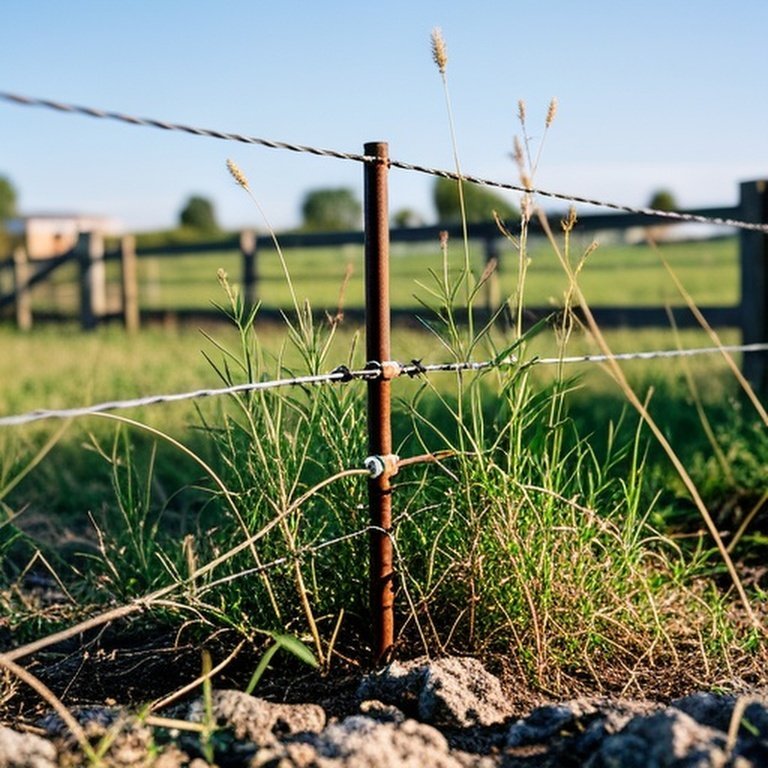
Low voltage is the most common reason electric fences fail in real-world conditions. When voltage drops, livestock don’t just escape—they learn the fence can be challenged. That behavioral shift is difficult to reverse and often blamed on animal temperament rather than electrical performance. Identifying why voltage is low helps prevent repeated breakouts, fence damage, and wasted labor. It also avoids unnecessary upgrades, such as buying a larger energizer, when the real issue lies elsewhere in the system. Understanding the root causes protects both your fence and your long-term containment strategy.
Key Factors to Consider
- Grounding quality determines how much voltage completes the shock circuit
- Vegetation touching the wire continuously drains energy from the system
- Loose, corroded, or broken connections reduce voltage along the fence
- Fence length and wire type affect resistance and energy loss
- Energizer output must match fence size and load conditions
Detailed Explanation
Most low-voltage problems are not caused by a faulty energizer but by energy loss after the pulse leaves the charger. Electric fences operate as a complete circuit: power travels through the fence wire, passes through the animal, and returns to the energizer through the ground. If any part of that loop is weak, voltage at the fence line drops significantly.
Poor grounding is the leading cause. Dry, rocky, or frozen soil reduces conductivity, preventing voltage from returning efficiently. Too few ground rods or shallow installation further weakens the circuit. Even a powerful energizer cannot compensate for a weak ground system, which is why voltage readings often look acceptable near the charger but drop dramatically farther out.
Vegetation contact is another major factor. Grass, weeds, or branches touching the wire act as constant drains on the system. Unlike a brief animal contact, vegetation pulls energy continuously, lowering voltage across the entire fence. This problem worsens during growing seasons and is often underestimated until animals start testing the fence.
Connection issues also play a significant role. Rusted clamps, broken wires, poorly crimped joints, or undersized lead-out wire create resistance that reduces usable voltage. These losses add up over distance, especially on long fence runs. Finally, energizers that are undersized for the fence length or number of strands may deliver adequate voltage only under ideal conditions. Once environmental losses occur, voltage drops below effective levels. Addressing these issues restores voltage more reliably than increasing output alone.
How Cattle Behavior Affects This Choice
Cattle are particularly sensitive to inconsistent electric fences. They apply slow, steady pressure rather than sudden force, which allows them to test weak spots over time. If voltage is low, cattle may lean, step forward, or pause instead of retreating immediately. Once they discover the shock is tolerable, they repeat the behavior. This means low voltage is not just an electrical issue—it becomes a behavioral one. Restoring strong, consistent voltage early prevents cattle from learning that the fence can be challenged safely.
Calves vs. Mature Cattle Considerations
Calves often react strongly to lower voltages due to thinner hides and lighter body mass. This can mask voltage problems that later appear when animals mature. A fence that “works fine” for calves may fail entirely with adult cattle. Mature animals are stronger, more confident, and more likely to push through weak systems. Diagnosing low voltage early prevents costly redesigns and retraining as livestock grow.
Terrain, Visibility, and Pressure Zones
Voltage loss is most noticeable in high-pressure areas such as corners, gates, feeding zones, and water access points. Uneven terrain or poor visibility increases accidental contact, which must still produce a strong deterrent. If voltage is already low, animals are more likely to continue forward rather than retreat. These zones often reveal underlying electrical problems before the rest of the fence shows obvious failure.
When This Works Well
- Voltage issues are identified early using a fence tester
- Grounding systems are upgraded before energizer size
- Vegetation is regularly controlled along fence lines
- Fence layout minimizes unnecessary length and resistance
- Livestock are already trained to respect electric fencing
When This Is Not Recommended
- Fence problems are addressed only by increasing energizer size
- Grounding is ignored or treated as optional
- Vegetation management is inconsistent or seasonal
- Electrical connections are not routinely inspected
- Fence performance is judged only near the charger
Alternatives or Better Options
Instead of increasing voltage output, many low-voltage problems are solved by improving grounding systems, adding more ground rods, or relocating them to more conductive soil. Using heavier lead-out wire and upgrading connectors reduces resistance losses. In high-load environments, dividing long fences into multiple zones with separate feeds can improve voltage consistency. These changes often deliver better results than replacing the energizer alone.
Cost, Safety, and Practical Notes
Chasing low voltage through repeated repairs can become costly if the root cause is not addressed. While upgrading grounding and wiring requires upfront investment, it usually reduces long-term maintenance and animal losses. From a safety standpoint, low voltage does not mean safer—it means unreliable. Modern electric fences are designed to deliver high voltage with very low amperage, making them safe when properly installed. The real risks come from damaged components, poor connections, and neglected systems rather than from adequate voltage levels.
Complete Troubleshooting Guide
Quick Takeaway
Low electric fence voltage is almost always caused by grounding problems, vegetation contact, connection losses, or undersized systems. Fixing these issues restores fence effectiveness far more reliably than simply increasing energizer output.