Short Answer
Vegetation reduces electric fence effectiveness because plants touching the fence wire draw electrical energy away from the system. Each contact creates a partial short to ground, draining voltage with every pulse. Over distance and time, this continuous energy loss weakens the shock delivered, even if the energizer itself is functioning correctly.
Why This Question Matters
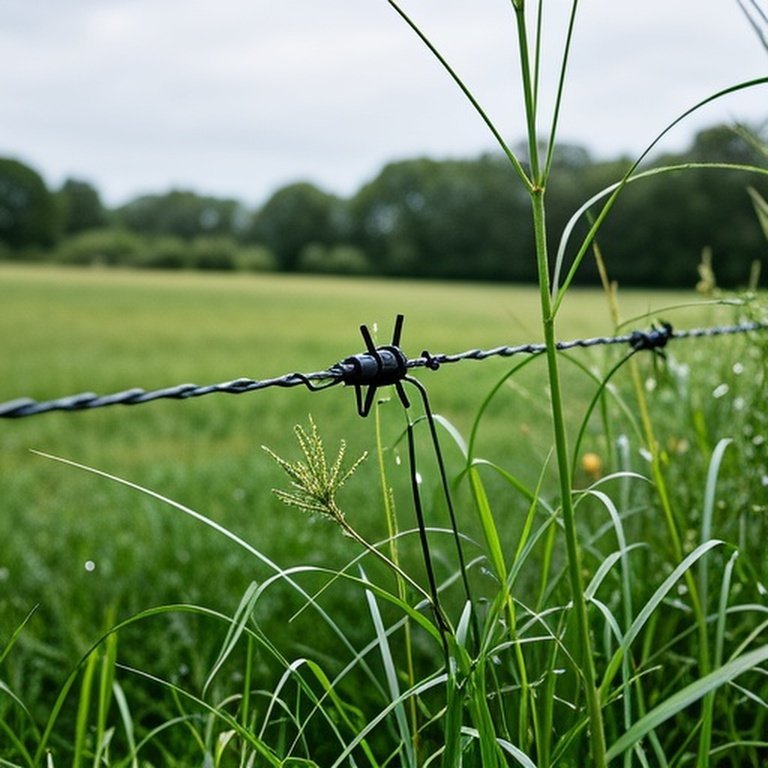
Vegetation interference is one of the most common—and most misunderstood—causes of electric fence failure. Many fence owners assume power loss means a faulty energizer or broken wire, when the real problem is often grass, weeds, or brush touching the fence. This misunderstanding leads to repeated repairs, unnecessary equipment upgrades, and ongoing containment failures. In grazing systems, predator control, or perimeter fencing, vegetation-related voltage loss can quietly reduce effectiveness long before animals escape. Understanding how vegetation affects fence performance helps owners prioritize maintenance correctly and avoid costly misdiagnosis.
Key Factors to Consider
- Amount and type of vegetation contacting the fence wire
- Soil moisture and plant conductivity during different seasons
- Fence voltage output relative to total fence length
- Wire height and spacing in relation to grass growth
- Frequency of mowing, spraying, or mechanical clearing
Detailed Explanation
Electric fences function by delivering short, high-voltage pulses through the fence wire. For the system to work properly, most of that energy must remain on the wire until an animal completes the circuit. When vegetation touches the wire, it provides an unintended path for electricity to leak into the ground. Even though plants are not perfect conductors, moisture within stems and leaves allows enough current flow to drain energy pulse by pulse.
This energy loss is cumulative. A single blade of grass may have little effect, but dozens or hundreds of contact points along a fence line create constant electrical load. Each pulse sent by the energizer loses a portion of its energy before reaching the far end of the fence. As a result, voltage readings drop progressively with distance, and the shock becomes weaker where it matters most.
Vegetation problems are often worse in certain conditions. Wet grass, morning dew, rain, or humid climates significantly increase conductivity. Seasonal growth cycles also matter—fences that performed well in early spring can lose effectiveness rapidly during peak summer growth. Because this voltage loss happens gradually, fence owners may not notice the problem until animals begin testing or crossing the fence.
Importantly, vegetation-related losses do not indicate system failure. They reflect a mismatch between fence design, maintenance practices, and environmental conditions. Without regular control, vegetation will always compete with fence performance, regardless of energizer size or wire quality.
How Moisture Amplifies Vegetation Loss
Moisture dramatically increases the electrical conductivity of plants. Dew, rain, or irrigation turns grass and weeds into efficient energy drains. Under wet conditions, vegetation contact that would normally cause minor voltage loss can reduce fence output significantly. This explains why fences often test well in dry weather but perform poorly after rainfall or overnight moisture accumulation.
Why Fence Height and Design Matter
Low fence wires are far more vulnerable to vegetation interference. Wires positioned close to the ground experience constant contact with grass and weeds, especially during rapid growth periods. Poor spacing between strands can also trap vegetation against the wire. Fence designs that account for vegetation height and growth patterns reduce energy loss before maintenance becomes critical.
Vegetation vs. True Electrical Faults
Vegetation-related voltage loss is frequently mistaken for broken wires, poor grounding, or energizer failure. The key difference is consistency—vegetation causes widespread, gradual voltage decline rather than sudden drops. Without proper testing, owners may chase nonexistent faults while the real issue continues to drain power along the entire fence line.
When This Works Well
- Fences with regular mowing, spraying, or mechanical vegetation control
- High-output energizers paired with realistic fence length expectations
- Wire heights designed to minimize constant grass contact
- Seasonal maintenance schedules adjusted for growth cycles
- Systems monitored with periodic voltage testing
When This Is Not Recommended
- Relying on high energizer output to overcome heavy vegetation
- Ignoring grass growth during peak growing seasons
- Using low wire heights in unmanaged pasture or brush areas
- Assuming occasional trimming is sufficient for long fence runs
- Delaying maintenance until animals begin escaping
Alternatives or Better Options
One option is redesigning fences to raise the lowest hot wire above typical grass height, reducing constant contact. Another approach is using offset hot wires combined with grounded wires to improve shock effectiveness even with some vegetation present. In heavily vegetated areas, dividing long fences into shorter, independently powered sections can limit cumulative energy loss.
Cost / Safety / Practical Notes
Vegetation control is often cheaper and safer than upgrading electrical hardware. Regular mowing or spraying costs far less than replacing energizers or dealing with escaped livestock. From a safety standpoint, weakened fences increase the risk of animal injury, predator access, and human contact during troubleshooting. Practically, vegetation management should be treated as a core part of fence operation, not an optional task. Fence systems perform best when vegetation pressure is anticipated and addressed before voltage loss becomes measurable.
📍 Video Demonstration
Quick Takeaway
Vegetation reduces electric fence effectiveness by continuously draining energy from the fence wire. The more contact points and moisture present, the greater the voltage loss. Consistent vegetation control, appropriate fence design, and realistic system sizing are essential to maintaining reliable fence performance.